
 0 Visitors
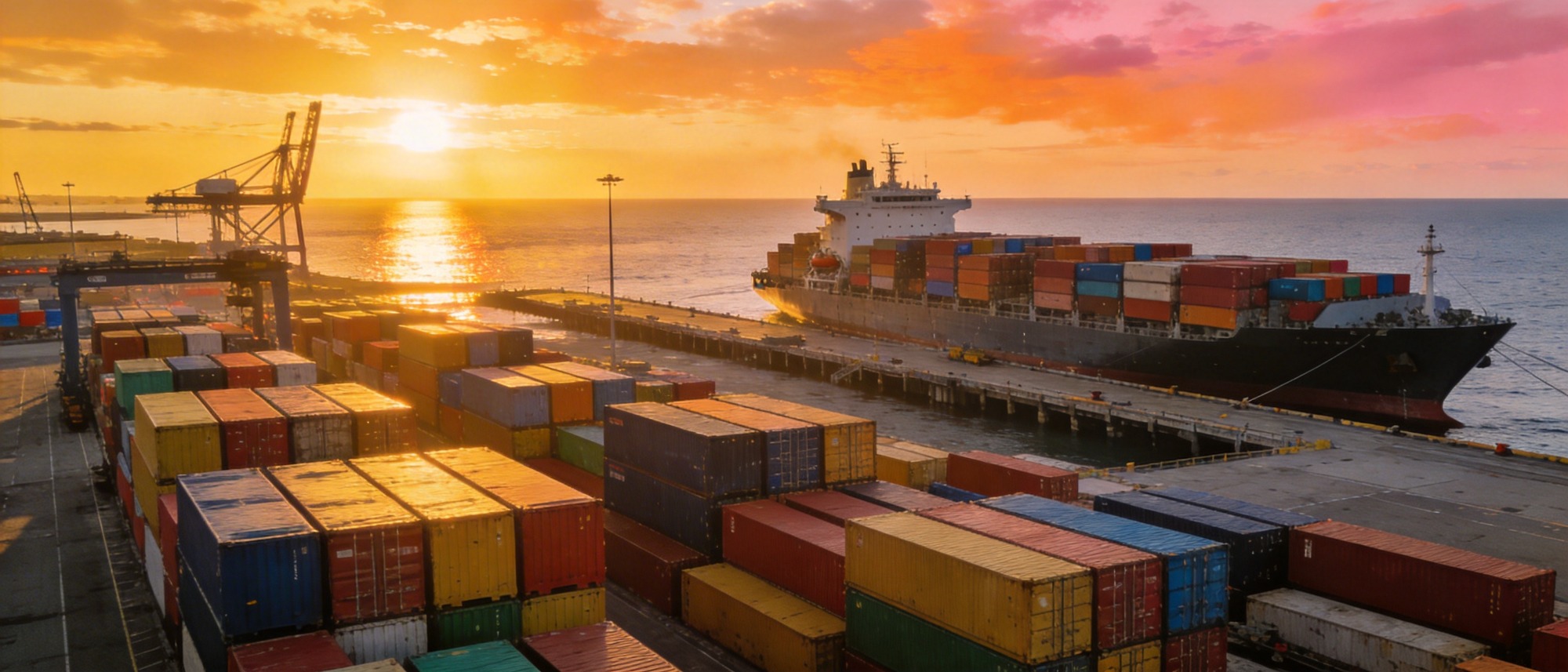
1. Overview of Organic Green Tea Extract Shipping Dynamics to the United States
Market Demand and Regulatory Landscape
The import of organic green tea extract (HS Code 130219) into the United States is a specialized logistics operation. As a high-value, sensitive botanical extract, it requires strict adherence to USDA National Organic Program (NOP) standards. Importers must ensure that the product is accompanied by a valid NOP Import Certificate, as the U.S. has tightened enforcement to prevent "organic fraud."
Trade Lane Characteristics
The Transpacific trade lane remains the primary artery for these goods. While U.S. import volumes have seen fluctuations in early 2026, the demand for high-quality organic ingredients remains resilient. Shippers must balance the need for cost-effective ocean freight with the requirement for climate-controlled or moisture-protected transit to maintain the integrity of the organic certification.
2. In-Depth Analysis of MSC, CMA CGM, & Evergreen Container Capacity
Carrier Fleet Dynamics in 2026
As of June 2026, the major carriers—MSC, CMA CGM, and Evergreen—are navigating a market defined by significant fleet expansion and a shift toward sustainable, dual-fuel vessels. MSC continues to lead the global market with a fleet capacity exceeding 7.2 million TEU. Evergreen stands out for operating one of the youngest fleets in the industry (average age of 9.3 years), which provides superior reliability for sensitive cargo.
Capacity Management Strategies
Carriers are currently employing "capacity discipline" to manage the influx of new vessel deliveries. By utilizing blank sailings and adjusting service loops, lines like CMA CGM and MSC are attempting to stabilize freight rates despite an overall oversupply of global container capacity. For shippers of organic extracts, this means that while space is generally available, booking windows must be managed proactively to avoid the impact of sudden service adjustments.
3. Ocean Freight Rates & Cost Optimization for HS Code 130219
Current Rate Environment
As of June 2026, Transpacific spot rates have shown volatility. While rates to the U.S. West Coast have begun to soften in the second half of June, they remain sensitive to carrier capacity management. Below is a summary of the current market landscape for Transpacific shipments.
| Route | Estimated Spot Rate (per FEU) | Market Trend (June 2026) |
|---|---|---|
| Asia to Port of Long Beach | $2,400 - $2,800 | Softening/Stabilizing |
| Asia to U.S. East Coast | $3,800 - $5,200 | Tightening |
Cost Optimization Strategies
- Early Booking: Secure space at least 3-4 weeks in advance to avoid peak-season surcharges.
- Consolidation: Given the high value of organic extracts, consider LCL (Less than Container Load) consolidation if volume does not justify a full FEU, though ensure the consolidator is experienced in food-grade cargo.
- Contract vs. Spot: Leverage long-term service contracts with carriers like MSC or CMA CGM to hedge against short-term spot market spikes.
4. Port Container Tracking & Congestion at the Port of Long Beach
Current Operational Status
The Port of Long Beach (LB) is currently operating with high fluidity. As of June 2026, median vessel waiting times are minimal (approximately 0.13 days), marking a significant improvement over the historical congestion seen in previous years. Truck turn times remain efficient, averaging under one hour.
Monitoring and Visibility
While the port is currently fluid, shippers should utilize real-time tracking tools to monitor terminal-specific dwell times. Even in a "low congestion" environment, localized labor issues or equipment shortages can cause sudden bottlenecks. Maintaining visibility at the container level is essential for managing the "just-in-time" requirements of organic food supply chains.
5. Global Logistics Optimization & Supply Chain Strategies
Mitigating Risks for Organic Cargo
Supply Chain Resilience
- Diversification: Do not rely on a single carrier; split volumes across the Ocean Alliance (CMA CGM/Evergreen) and independent carriers to mitigate service disruptions.
- Documentation Accuracy: Inconsistencies between the commercial invoice, packing list, and organic certificate are the leading causes of customs delays for HS 130219.
6. Executive Summary & Future Outlook
Summary
Shipping organic green tea extract to the Port of Long Beach in 2026 requires a focus on regulatory compliance and proactive capacity management. While the port is currently efficient, the broader shipping market is in a state of transition, with carriers balancing overcapacity against early peak-season demand.
Future Outlook
As we move into the second half of 2026, shippers should expect continued volatility in freight rates. The key to success lies in maintaining strict documentation standards for organic goods and leveraging the current "buyer's market" conditions to secure favorable contract rates before the traditional Q3 peak season intensifies.
Sources & References:
- Shipping Pneumatic Air Cylinders to the Port of Valencia, Spain
- Shipping Semiconductor Microchips (HS 854231) to the Port of Montreal
- Shipping Tomato Paste Cans (HS 200290) to the Port of Gothenburg, Sweden
- Shipping SPC Vinyl Click Flooring to the Port of Antwerp-Bruges
- Shipping True Wireless Earbuds (HS 8517.62) to the Port of Alexandria, Egypt
- Shipping Semiconductor Microchips (HS 854231) to the Port of Sines, Portugal
- Shipping Centrifugal Water Pumps to the Port of San Antonio, Chile
- Shipping Digital Signage Monitors to the Port of Trieste, Italy
- Shipping Printed Circuit Boards (PCB) to Egypt via Port of Said
- Optimizing Logistics for Solid State Drives (SSD) Imports to the Port of Chittagong, Bangladesh