
 430 Visitors
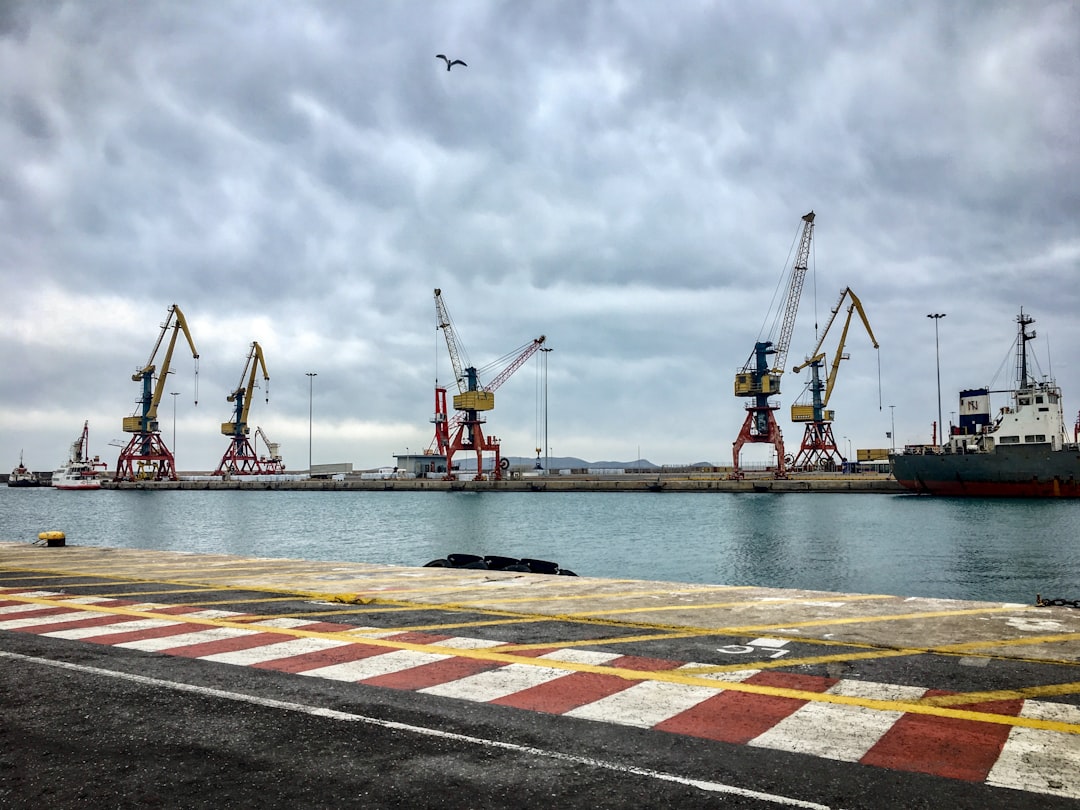
Overview of Polyimide Film Sheets Shipping Dynamics to/from South Korea
Polyimide film sheets, classified under HS Code 3920.99, are critical components in the high-tech manufacturing sector, particularly for electronics and circuit board production in South Korea. As a high-value, specialized industrial material, the logistics of moving these goods requires precision, climate-controlled handling, and strict adherence to customs documentation.
Market Demand and Trade Flow
South Korea remains a global leader in semiconductor and display technology, driving consistent demand for high-performance materials like polyimide film. The trade flow is characterized by high-frequency, smaller-volume shipments that require reliable transit times to maintain "just-in-time" manufacturing schedules for major Korean electronics conglomerates.
Regulatory and Customs Considerations
When importing under HS Code 3920.99, importers must ensure accurate classification. While polyimide film is generally duty-friendly, specific sub-classifications (e.g., 3920.99.21 for uncoated foil) are subject to rigorous inspection to ensure compliance with South Korean industrial standards. Proper documentation, including Certificates of Origin and detailed technical specifications, is mandatory to avoid customs delays at the Port of Busan.
In-Depth Analysis of HMM / Sinokor & Container Capacity
The shipping landscape for South Korea is dominated by national champions and regional specialists. Understanding the roles of HMM and Sinokor is vital for optimizing your supply chain.
HMM: The Global Trunk Line Powerhouse
HMM (formerly Hyundai Merchant Marine) serves as the backbone of South Korea’s deep-sea trade. With a fleet capacity exceeding 784,000 TEUs and some of the world’s largest container vessels (24,000 TEU class), HMM provides the necessary scale for large-scale industrial imports. Their digital platform, "Hi Quote," offers real-time spot rate visibility, which is essential for managing the current volatility in global freight markets.
Sinokor: The Intra-Asia Specialist
Sinokor Merchant Marine excels in the regional trade triangle (Korea-China-Japan). For manufacturers sourcing polyimide film from within Asia, Sinokor provides superior frequency and agility. Their deep integration into the regional terminal infrastructure at Busan allows for faster transshipment and inland distribution compared to larger, global-only carriers.
Ocean Freight Rates & Cost Optimization for HS Code 3920.99
As of June 2026, the global ocean freight market is experiencing a significant "early peak season" surge. Rates are being influenced by geopolitical tensions and a shift in carrier capacity management.
Freight Rate Trends (June 2026)
The Korea Ocean Business Corporation (KOBC) Container Composite Index (KCCI) has seen a 10.1% increase in recent weeks, reflecting the broader global trend of rising costs. Below is a summary of the current market environment:
| Route Segment | Rate Trend (June 2026) | Primary Driver |
|---|---|---|
| Intra-Asia (China to Busan) | Moderate Increase | Regional demand & equipment balancing |
| Trans-Pacific (US to Busan) | High Volatility | Fuel surcharges & vessel rerouting |
| Global Composite (KCCI) | +10.1% Weekly | Early peak season demand |
Cost Optimization Strategies
- Leverage Digital Booking: Use carrier-specific platforms like HMM’s "Hi Quote" to secure guaranteed space and avoid last-minute spot market premiums.
- Consolidation: Given the high value of polyimide film, utilize LCL (Less than Container Load) services if volume does not justify a full FEU, but ensure the freight forwarder specializes in sensitive electronics materials.
Port Container Tracking & Congestion at Port of Busan
The Port of Busan remains the definitive signal for Northeast Asian trade. As the 6th busiest container port globally, it handles over 24 million TEUs annually, balancing its role as a transshipment hub and a direct import gateway.
Current Congestion Status
As of late June 2026, the Port of Busan is maintaining "Moderate" congestion levels. While global ports are facing significant delays, Busan’s advanced automation in the New Port terminals allows for efficient processing. Vessel waiting times are currently stable, but shippers should monitor real-time data to avoid "bunching" during peak periods.
Visibility Tools
For supply chain managers, relying on real-time tracking is non-negotiable. Platforms like SeaVantage or Portcast provide granular data on vessel berthing, anchorage times, and terminal performance, allowing for proactive adjustments to inland trucking schedules.
Global Logistics Optimization & Supply Chain Strategies
Inventory Buffering
Given the volatility in freight rates and potential for sudden geopolitical disruptions, consider increasing safety stock levels for critical polyimide film components. The cost of carrying additional inventory is currently lower than the risk of a production line stoppage due to a delayed shipment.
Sustainability and Green Logistics
Both HMM and Sinokor are increasingly offering "Green Sailing" services. As South Korean regulations tighten around carbon reporting, integrating these services into your logistics procurement can provide long-term regulatory advantages and improve your corporate ESG score.
Executive Summary & Future Outlook
The outlook for shipping polyimide film to South Korea remains robust but requires heightened vigilance. The 2026 peak season has arrived early, and carriers are aggressively managing capacity. By leveraging the strengths of HMM and Sinokor, maintaining real-time visibility at the Port of Busan, and diversifying shipping routes, logistics managers can navigate this period of volatility effectively.
Key Takeaways
- Monitor Indices: Keep a close watch on the KCCI and SCFI indices to anticipate rate fluctuations.
- Prioritize Compliance: Ensure HS Code 3920.99 documentation is flawless to prevent customs holds.
- Proactive Planning: Book space 3-4 weeks in advance to secure competitive rates during the current peak season.
Sources & References:
- Shipping Pneumatic Air Cylinders to the Port of Valencia, Spain
- Shipping Semiconductor Microchips (HS 854231) to the Port of Montreal
- Shipping Tomato Paste Cans (HS 200290) to the Port of Gothenburg, Sweden
- Shipping SPC Vinyl Click Flooring to the Port of Antwerp-Bruges
- Shipping True Wireless Earbuds (HS 8517.62) to the Port of Alexandria, Egypt
- Shipping Semiconductor Microchips (HS 854231) to the Port of Sines, Portugal
- Shipping Centrifugal Water Pumps to the Port of San Antonio, Chile
- Shipping Digital Signage Monitors to the Port of Trieste, Italy
- Shipping Printed Circuit Boards (PCB) to Egypt via Port of Said
- Optimizing Logistics for Solid State Drives (SSD) Imports to the Port of Chittagong, Bangladesh