
 0 Visitors
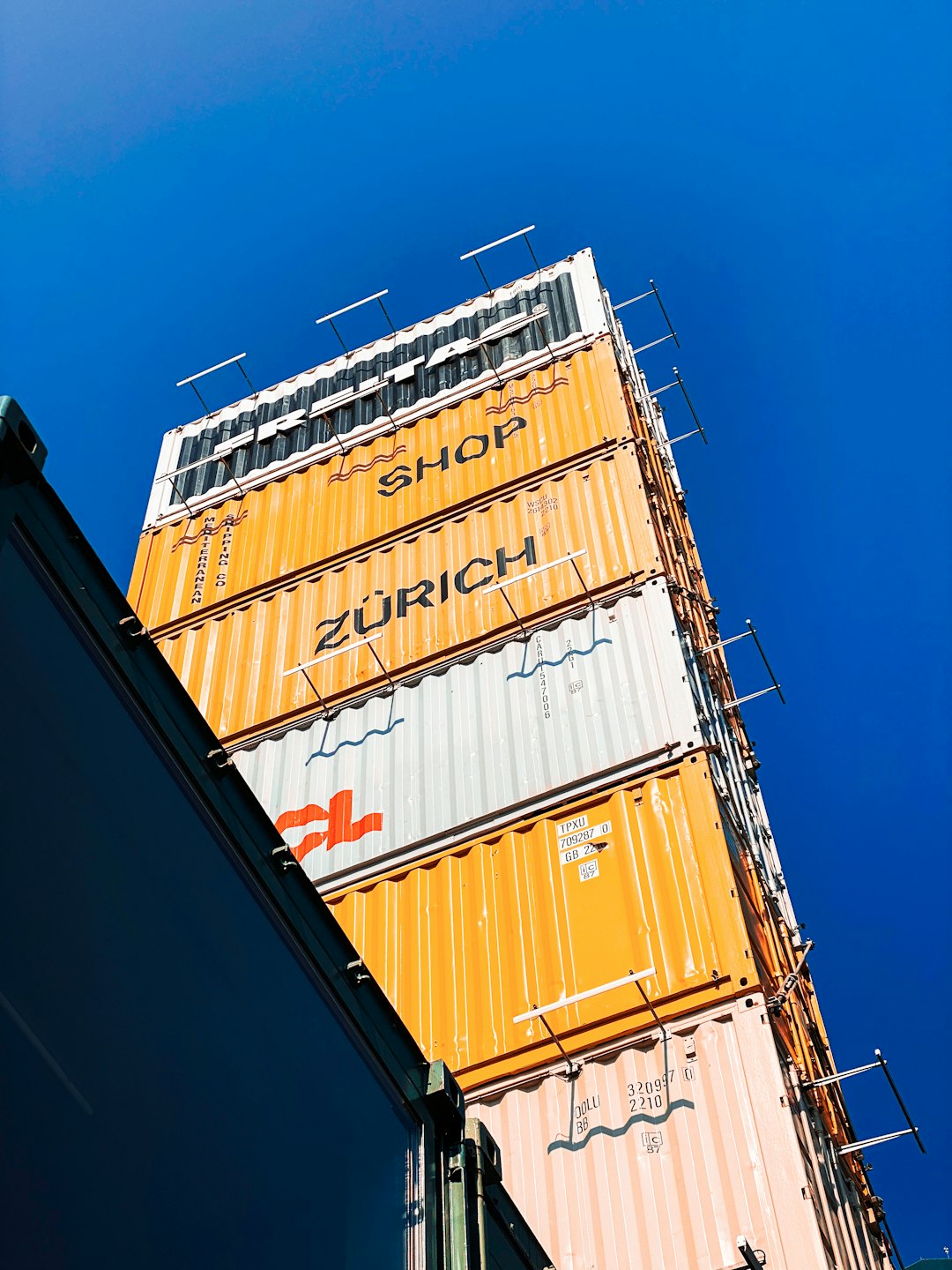
Overview of Printed Circuit Boards (PCB) Shipping Dynamics to/from Turkey
The trade of Printed Circuit Boards (PCBs), classified under HS Code 8534.00, represents a critical component of Turkey’s growing electronics and industrial manufacturing sectors. As a high-value, sensitive cargo, PCBs require specialized handling to prevent moisture damage and physical impact during transit.
Market Context for HS 8534.00
Turkey serves as a vital bridge between European and Middle Eastern markets. Imports of PCBs are frequently utilized in automotive, telecommunications, and consumer electronics manufacturing. Importers must be aware that while general import requirements are straightforward, specific conformity assessments or CE marking may be required depending on the end-use application of the circuit boards.
Logistics Considerations for Sensitive Electronics
Given the delicate nature of PCBs, supply chain managers often prioritize container integrity and climate-controlled options if necessary. Shipping to the Port of Mersin provides a strategic advantage for manufacturers located in Southern Turkey and those serving the broader Mediterranean hinterland.
In-Depth Analysis of Maersk / Tarros & Container Capacity
The route to the Port of Mersin is well-serviced by major global carriers and specialized regional lines, ensuring robust connectivity for electronics manufacturers.
Maersk’s Role in Turkish Trade
Maersk maintains a strong operational presence in Turkey, with dedicated offices in Mersin. They provide comprehensive end-to-end logistics, including inland haulage, which is essential for moving containerized electronics from the port to industrial zones. Their digital integration allows for real-time tracking, which is crucial for high-value PCB shipments.
Tarros Group: The Mediterranean Specialist
Tarros Shipping and Transport, often represented by Arkas in Turkey, specializes in Mediterranean trade. Their joint venture has significantly enhanced their capacity in the region, offering frequent, reliable services between major Mediterranean hubs and Mersin. Their focus on "door-to-door" logistics makes them a preferred partner for companies requiring specialized handling for regional distribution.
Ocean Freight Rates & Cost Optimization for HS Code 8534.00
Freight rates in 2026 have been influenced by geopolitical tensions and fluctuating fuel costs. While specific contract rates are confidential, the following table provides a general overview of market trends for containerized cargo into the Mediterranean.
| Route Segment | Market Trend (2026) | Cost Drivers |
|---|---|---|
| Asia to Mersin | Elevated (High Volatility) | Fuel surcharges, Suez/Hormuz risk premiums |
| Europe to Mersin | Moderate/Stable | Regional capacity, feeder vessel availability |
Cost Optimization Strategies
- Consolidation: For smaller volumes of PCBs, utilize LCL (Less-than-Container Load) services to reduce per-unit shipping costs.
- Inland Haulage Efficiency: Leverage Maersk’s integrated inland services to avoid fragmented transport costs and reduce administrative overhead.
Port Container Tracking & Congestion at Port of Mersin
The Port of Mersin is a critical gateway, but like many major hubs, it experiences periodic congestion. As of June 2026, the port is managing high volumes, partly due to regional trade shifts.
Current Congestion Status
Recent data indicates that the Port of Mersin has seen varying levels of congestion. While some reports suggest median waiting times are manageable (approx. 0.5 days), other industry trackers have noted potential delays of up to 10 days during peak periods or due to vessel bunching. It is highly recommended to use real-time tracking tools like ShipsGo or carrier-specific portals to monitor your specific container status.
Mitigating Port Delays
To minimize the impact of port congestion, ensure that all customs documentation—including the commercial invoice, packing list, and certificate of origin—is submitted well in advance of vessel arrival.
Global Logistics Optimization & Supply Chain Strategies
Optimizing the supply chain for high-tech components like PCBs requires a proactive approach to risk management.
Digital Visibility
Utilize AI-driven logistics platforms to gain visibility into your supply chain. Real-time notifications regarding vessel position and port status can help you adjust production schedules if a delay is detected.
Strategic Inventory Buffering
Given the volatility in the Mediterranean shipping lanes, maintaining a safety stock of critical PCB components within the Mersin Free Zone can provide a buffer against sudden shipping disruptions.
Executive Summary & Future Outlook
- Strategic Hub: The Port of Mersin remains a vital, high-growth gateway for Turkish industry.
- Carrier Selection: Maersk offers global reach and integrated inland services, while Tarros provides specialized, high-frequency Mediterranean connectivity.
- Risk Management: Monitor port congestion closely, as regional geopolitical factors can cause sudden spikes in vessel waiting times.
- Compliance: Ensure all HS 8534.00 documentation is precise to avoid customs-related delays at the Turkish border.
Sources & References
Maersk Turkey Logistics Services | Tarros Group Mediterranean Shipping | Portcast Port Congestion Data | International Trade Administration - Turkey Import Requirements
- Shipping Pneumatic Air Cylinders to the Port of Valencia, Spain
- Shipping Semiconductor Microchips (HS 854231) to the Port of Montreal
- Shipping Tomato Paste Cans (HS 200290) to the Port of Gothenburg, Sweden
- Shipping SPC Vinyl Click Flooring to the Port of Antwerp-Bruges
- Shipping True Wireless Earbuds (HS 8517.62) to the Port of Alexandria, Egypt
- Shipping Semiconductor Microchips (HS 854231) to the Port of Sines, Portugal
- Shipping Centrifugal Water Pumps to the Port of San Antonio, Chile
- Shipping Digital Signage Monitors to the Port of Trieste, Italy
- Shipping Printed Circuit Boards (PCB) to Egypt via Port of Said
- Optimizing Logistics for Solid State Drives (SSD) Imports to the Port of Chittagong, Bangladesh