
 423 Visitors
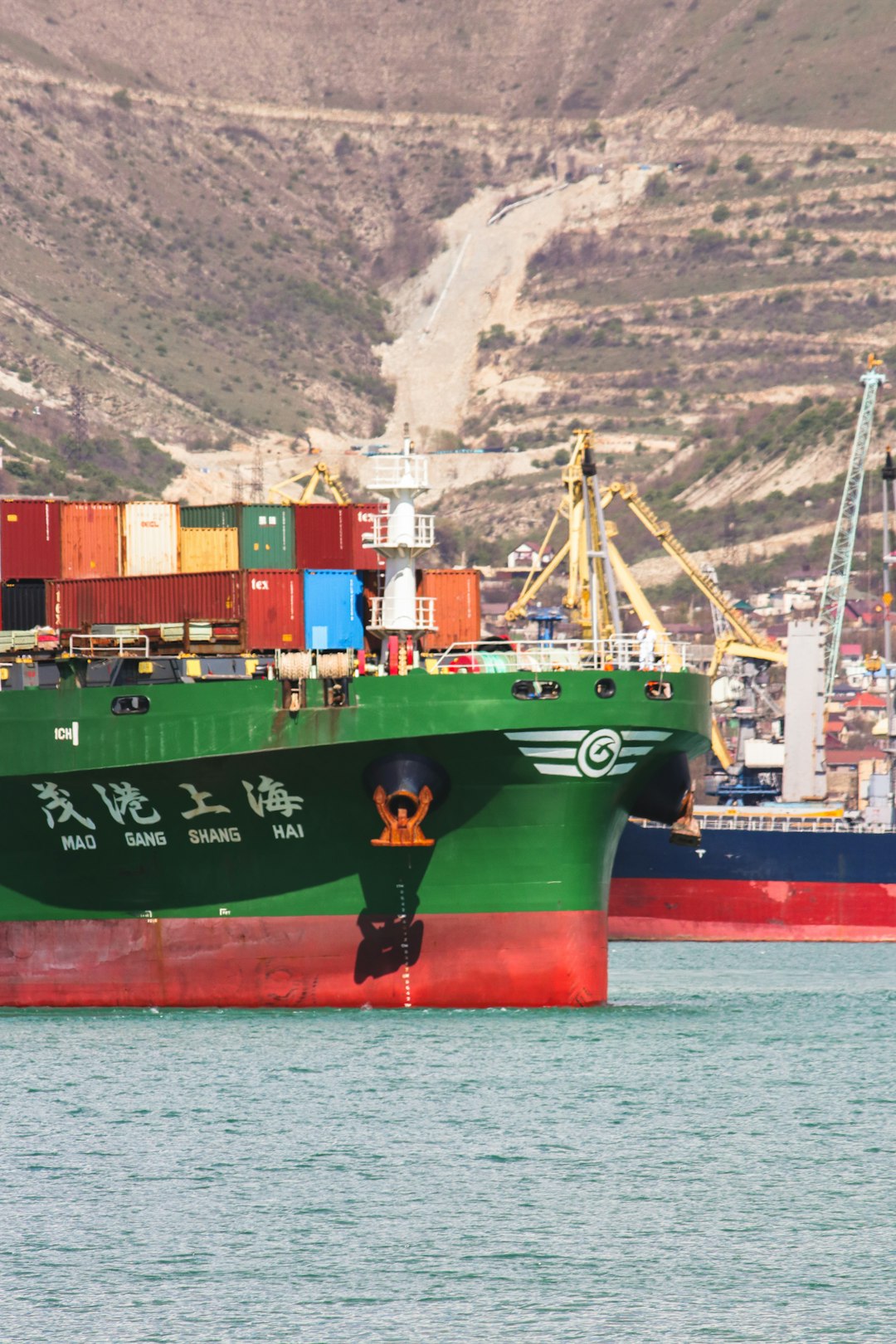
Overview of Solar Water Heaters Shipping Dynamics to/from Turkey
The Turkish market for solar thermal technology has experienced significant growth, fueled by post-earthquake reconstruction and a national push toward renewable energy integration. As of mid-2026, the demand for solar water heaters (HS Code 841919) remains robust, with both domestic manufacturing and international trade flows playing critical roles in the energy transition. Shipping these units requires specialized handling due to the fragility of glass collectors and the bulk of storage tanks.
Market Drivers and Cargo Characteristics
Solar water heating systems, often categorized under HS Code 841919, are increasingly viewed as essential components for residential and commercial energy efficiency. Logistics managers must account for the fact that these systems are often bulky, requiring careful stowage to prevent damage during transit. The shift toward more compact, high-efficiency designs has improved load factors, but the reliance on outdoor storage for solar collectors necessitates moisture-resistant packaging and secure containerization.
Regulatory and Customs Landscape
Importing solar equipment into Turkey requires strict adherence to the Turkish Customs Tariff Nomenclature (GTIP). Importers must ensure that all documentation—including the commercial invoice, bill of lading, and certificate of origin—is accurate. Furthermore, compliance with CE marking directives is mandatory for many energy-related products entering the Turkish market. Failure to provide the necessary conformity certificates can lead to significant customs delays at the Port of Ambarli.
In-Depth Analysis of Arkas Line, MSC, and CMA CGM Container Capacity
The Port of Ambarli serves as a vital gateway for Turkish trade, with major carriers like Arkas Line, MSC, and CMA CGM maintaining high-frequency services. As of June 2026, these carriers are navigating a complex landscape defined by structural overcapacity and regional geopolitical volatility.
Carrier Operational Strategies
- MSC & CMA CGM: These global giants continue to dominate the route, leveraging massive fleet sizes to maintain service reliability. However, they are currently prioritizing high-yield cargo and implementing aggressive capacity management to offset the impact of global vessel oversupply.
- Arkas Line: As a key regional player, Arkas Line remains essential for feeder services in the Mediterranean. Their focus on multi-modal solutions and recent investments in reefer capacity provide a competitive edge for temperature-sensitive or specialized cargo.
Terminal Transitions and Booking Protocols
Recent operational updates indicate that carriers like CMA CGM are optimizing their terminal presence at Ambarli, including shifts between the Mardaş and Marport terminals. Shippers are strongly advised to verify booking confirmations in real-time, as these transitions can directly impact vessel berthing windows and container handling protocols.
Ocean Freight Rates & Cost Optimization for HS Code 841919
While the global ocean freight market has seen a correction from the extreme highs of previous years, rates in 2026 remain sensitive to fuel surcharges, environmental compliance costs (such as EU ETS), and regional geopolitical tensions.
Freight Rate Comparison (Estimated Trends)
| Route Segment | 2025 Average (USD/FEU) | 2026 Current Trend (USD/FEU) | Volatility Factor |
|---|---|---|---|
| Asia to Ambarli | $3,500 - $5,000 | $2,800 - $4,200 | Moderate |
| Europe to Ambarli | $1,200 - $2,500 | $1,000 - $2,000 | Low |
Cost Optimization Strategies
Pro-Tip for Shippers: To mitigate costs, consider consolidating LCL (Less-than-Container Load) shipments into FCL (Full Container Load) where possible, which can reduce per-unit freight costs by 35-50%. Additionally, avoid peak season shipping (August–October) to secure better equipment availability and lower spot rates.
Port Container Tracking & Congestion at Port of Ambarli
As of late June 2026, the Port of Ambarli is experiencing moderate congestion levels. While the port is a major hub, vessel waiting times are currently averaging approximately 5 days, influenced by regional traffic and terminal-specific operational adjustments.
Monitoring Real-Time Delays
Supply chain managers should utilize digital tracking tools to monitor AIS signals and live port calls. Because congestion metrics can change rapidly due to weather or labor factors, relying on weekly operational updates from carriers and logistics providers is critical for maintaining accurate delivery schedules.
Mitigating Downstream Impacts
- Buffer Planning: Factor in a 5-7 day buffer for port dwell times when planning inventory replenishment.
- Communication: Maintain close contact with your freight forwarder to receive early warnings regarding terminal congestion or potential blank sailings.
Global Logistics Optimization & Supply Chain Strategies
Optimizing the supply chain for solar water heaters requires a holistic approach that balances ocean freight costs with inland logistics efficiency. In Turkey, the integration of rail and road transport is becoming increasingly important for reducing the total carbon footprint and improving transit reliability.
Multi-Modal Integration
Arkas Logistics and other regional providers are expanding their rail transport capabilities within Turkey. By utilizing rail for inland distribution from the Port of Ambarli to industrial hubs, companies can achieve significant carbon savings and bypass potential road congestion, creating a more resilient and sustainable supply chain.
Risk Management in a Volatile Market
Given the geopolitical uncertainties in the Black Sea and Middle East, shippers must prioritize flexibility. This includes diversifying carrier partnerships and maintaining visibility over the entire shipment lifecycle, from the factory floor to the final installation site.
Executive Summary & Future Outlook
The shipping landscape for solar water heaters into Turkey in 2026 is characterized by a transition toward stabilization, though it remains susceptible to regional disruptions. By leveraging the services of major carriers like MSC, CMA CGM, and Arkas Line, and by staying vigilant regarding port congestion at Ambarli, businesses can successfully navigate these challenges.
Key Takeaways
- Monitor Terminal Changes: Verify terminal assignments (e.g., Marport vs. Mardaş) for every booking.
- Optimize for Efficiency: Use FCL consolidation and off-peak shipping to control costs.
- Stay Compliant: Ensure all solar equipment meets Turkish CE marking and customs documentation requirements.
Sources & References:
- Shipping Pneumatic Air Cylinders to the Port of Valencia, Spain
- Shipping Semiconductor Microchips (HS 854231) to the Port of Montreal
- Shipping Tomato Paste Cans (HS 200290) to the Port of Gothenburg, Sweden
- Shipping SPC Vinyl Click Flooring to the Port of Antwerp-Bruges
- Shipping True Wireless Earbuds (HS 8517.62) to the Port of Alexandria, Egypt
- Shipping Semiconductor Microchips (HS 854231) to the Port of Sines, Portugal
- Shipping Centrifugal Water Pumps to the Port of San Antonio, Chile
- Shipping Digital Signage Monitors to the Port of Trieste, Italy
- Shipping Printed Circuit Boards (PCB) to Egypt via Port of Said
- Optimizing Logistics for Solid State Drives (SSD) Imports to the Port of Chittagong, Bangladesh