
 396 Visitors
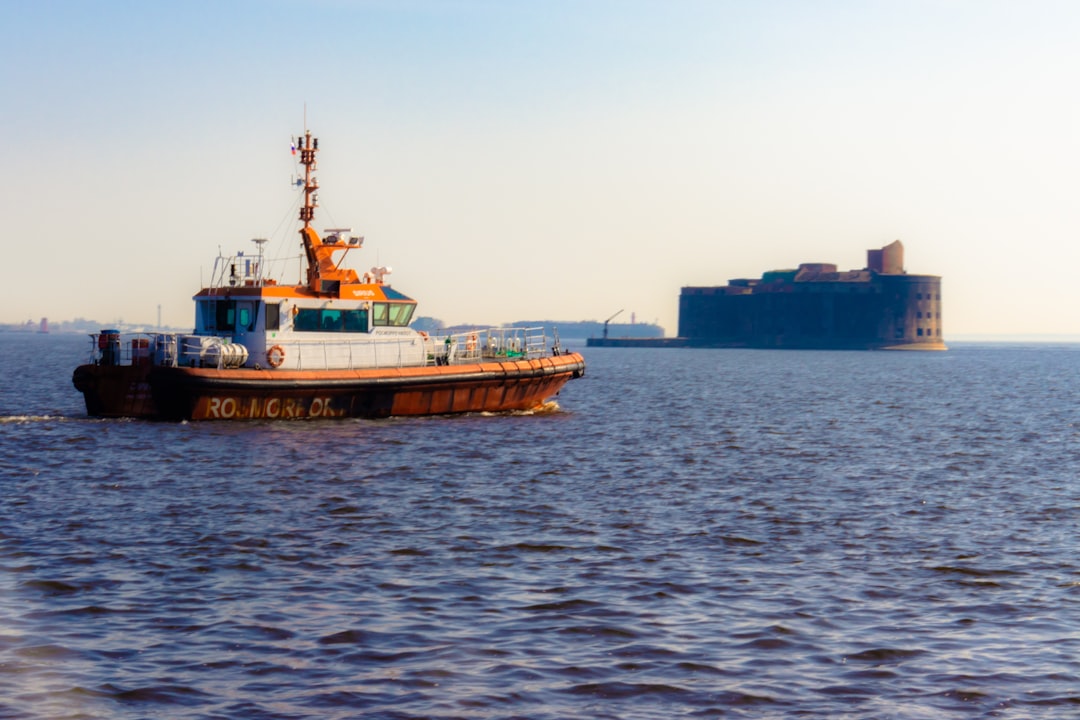
Overview of Solar Water Heater Shipping Dynamics to/from South Korea
The trade of solar water heaters, classified under HS Code 8419.19 (and increasingly 8419.12 for specific solar thermal systems), represents a critical segment of the renewable energy supply chain. As South Korea accelerates its transition toward sustainable energy, the import of high-efficiency solar thermal equipment is subject to rigorous customs classification and logistical planning.
Regulatory Compliance and HS Code Classification
Proper classification is the cornerstone of efficient customs clearance in South Korea. While 8419.19 has historically served as a generic category for non-electric water heaters, industry experts strongly recommend utilizing HS 8419.12 for dedicated solar water heating systems to ensure accurate tariff application and avoid potential classification disputes at the border. Importers should consult the Korea Customs Service (KCS) FTA Portal to verify preferential duty rates under existing Free Trade Agreements.
Market Drivers for Solar Thermal Imports
South Korea’s domestic solar industry is currently navigating a transition. While the country maintains high technological expertise, the reliance on imported components for residential and commercial solar thermal projects remains significant. Logistics managers must account for the "early peak season" trends observed in mid-2026, where demand for renewable infrastructure components is surging alongside consumer electronics and industrial machinery.
In-Depth Analysis of HMM & Container Capacity
HMM (formerly Hyundai Merchant Marine) remains the primary national carrier and a dominant force in the Port of Busan. With its strategic headquarters relocation to Busan, HMM is further consolidating its role as the backbone of Korean maritime logistics.
Carrier Capacity and Service Reliability
HMM continues to expand its service network, particularly on Trans-Pacific and Asia-Middle East routes. As of Q2 2026, HMM has increased fleet capacity to support higher frequency and reliability. For shippers moving solar equipment, HMM offers specialized handling for break-bulk and containerized renewable components, leveraging its deep integration with the Busan New Port terminal infrastructure.
Strategic Partnerships and Terminal Access
HMM’s collaboration with global alliances and its investment in automated terminals like the Busan New Port (DGT) provide a competitive edge. Shippers utilizing HMM benefit from prioritized berthing windows and streamlined transshipment processes, which are vital when navigating the current tight-capacity environment.
Ocean Freight Rates & Cost Optimization for HS Code 8419.19
The global ocean freight market in June 2026 is experiencing a significant "early peak season" surge. Freight rates have risen for six consecutive weeks, driven by geopolitical instability and proactive inventory stocking by global importers.
Current Freight Rate Trends (June 2026)
| Route Segment | Market Status | Primary Cost Drivers |
|---|---|---|
| Trans-Pacific (Asia to US) | High Volatility | Tariff deferral rushes, PSS, GRI |
| Intra-Asia (Regional) | Rising | Port congestion, equipment imbalance |
| Asia to Europe | Stable/High | Red Sea rerouting, extended transit |
Cost Optimization Strategies
- Advance Booking: Secure space at least 4-6 weeks in advance to mitigate the risk of "rolled cargo."
- Contractual Flexibility: Utilize a mix of long-term contracts and spot market allocations to balance cost and reliability.
- HS Code Accuracy: Ensure your customs broker uses the correct HS 8419.12 code to potentially qualify for lower duty tiers.
Port Container Tracking & Congestion at Port of Busan
The Port of Busan remains the world’s second-largest transshipment hub, handling over 24 million TEUs annually. While it maintains high operational efficiency, it is not immune to the "cascade effect" of global port congestion.
Current Congestion Metrics
As of June 2026, the Port of Busan reports a "low" congestion category with median vessel waiting times of approximately 0.25 days. However, shippers must monitor terminal-specific delays, particularly at the Busan New Port, where high transshipment volumes can lead to intermittent yard saturation.
Tracking and Visibility
Leveraging real-time container tracking tools is essential. Modern platforms provide visibility into vessel anchorage, berthing status, and potential inland transport bottlenecks. Given the current global environment, proactive monitoring of "vessel bunching" is recommended to prevent downstream delays in project site delivery.
Global Logistics Optimization & Supply Chain Strategies
Shipping solar water heaters requires more than just ocean freight; it requires a holistic approach to the supply chain, from the factory floor to the final installation site.
Mitigating Supply Chain Risks
- Inventory Buffering: Given the volatility in 2026, maintain a 15-20% safety stock of critical solar components.
- Intermodal Coordination: Coordinate drayage and inland rail services in South Korea well before vessel arrival to avoid port dwell time charges.
- Sustainability Reporting: Prepare for Scope 3 emission reporting requirements, as South Korean firms are increasingly mandated to disclose supply chain carbon footprints.
Friend-Shoring and Regional Cooperation
South Korea is actively pursuing "friend-shoring" strategies to diversify its supply chain. Importers should align their procurement strategies with these national goals to benefit from government-backed logistics support and infrastructure incentives.
Executive Summary & Future Outlook
The shipping landscape for solar water heaters into South Korea is currently defined by an early-onset peak season, rising freight rates, and a strategic shift in maritime hubs. Success in this environment requires a disciplined approach to carrier selection, precise HS code classification, and real-time visibility into port operations.
Key Takeaway: While Busan remains a highly efficient gateway, the global "early peak" demand necessitates that logistics managers move away from just-in-time shipping toward a more resilient, buffer-heavy supply chain model for the remainder of 2026.
Sources & References
- Shipping Pneumatic Air Cylinders to the Port of Valencia, Spain
- Shipping Semiconductor Microchips (HS 854231) to the Port of Montreal
- Shipping Tomato Paste Cans (HS 200290) to the Port of Gothenburg, Sweden
- Shipping SPC Vinyl Click Flooring to the Port of Antwerp-Bruges
- Shipping True Wireless Earbuds (HS 8517.62) to the Port of Alexandria, Egypt
- Shipping Semiconductor Microchips (HS 854231) to the Port of Sines, Portugal
- Shipping Centrifugal Water Pumps to the Port of San Antonio, Chile
- Shipping Digital Signage Monitors to the Port of Trieste, Italy
- Shipping Printed Circuit Boards (PCB) to Egypt via Port of Said
- Optimizing Logistics for Solid State Drives (SSD) Imports to the Port of Chittagong, Bangladesh