
 533 Visitors
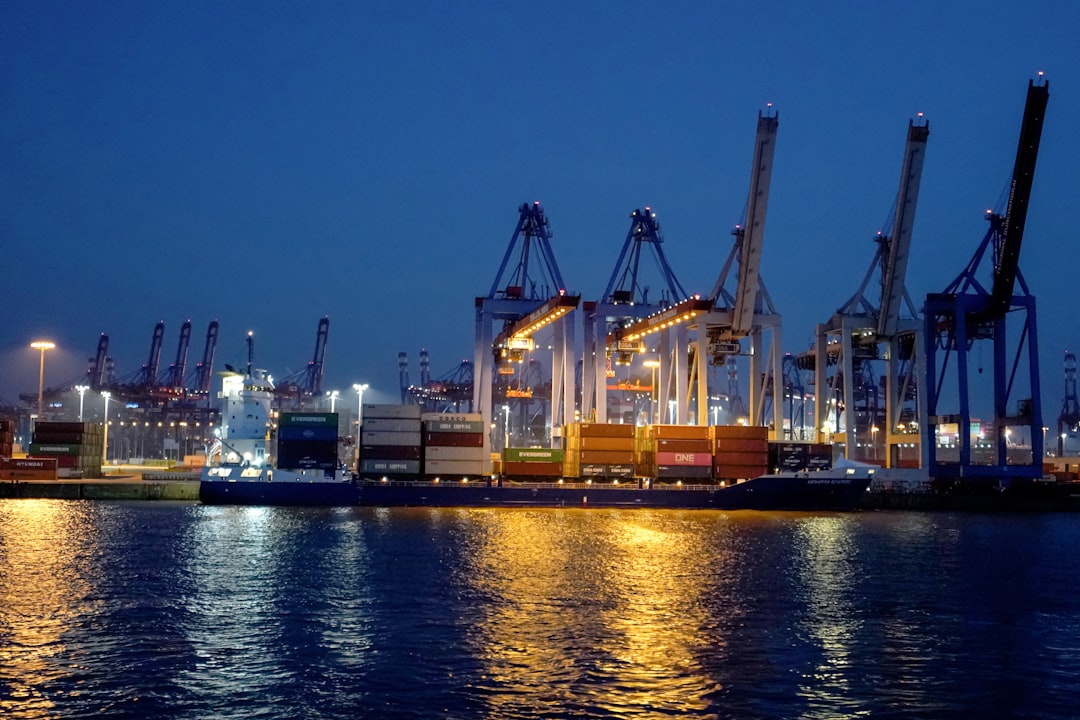
Overview of Step-Down Distribution Transformers Shipping Dynamics to Japan
Understanding HS Code 8504.21 Requirements
When importing step-down distribution transformers into Japan, accurate classification under HS Code 8504.21 is critical. This code specifically covers liquid dielectric transformers with a power handling capacity not exceeding 650 kVA. Proper declaration is essential for compliance with Japanese customs, ensuring that duty rates and regulatory requirements are correctly applied. Misclassification can lead to significant financial penalties and cargo seizure at the border.
Market Demand and Trade Flow
Japan’s industrial sector remains a robust importer of specialized electrical equipment. As of mid-2026, trade data indicates that while overall containerized imports have faced some volatility, demand for high-value machinery and power infrastructure components remains resilient. Importers must ensure that all technical documentation, including dielectric fluid safety data sheets and power capacity certificates, are prepared in advance to facilitate smooth customs clearance at the Port of Osaka.
In-Depth Analysis of SITC / Hasco & Container Capacity
Carrier Specialization in the Japan Trade Lane
SITC and Hasco are prominent players in the intra-Asia trade lanes connecting China and other regional manufacturing hubs to Japan. These carriers are known for their high-frequency, short-sea shipping services, which are ideal for time-sensitive industrial components like distribution transformers. SITC, in particular, maintains an extensive network of direct services to major Japanese ports, including Osaka and Kobe, providing reliable feeder connections.
Capacity Management and Service Reliability
Both SITC and Hasco have optimized their vessel deployment to manage the unique requirements of the Japanese market. With the current 2026 shipping environment characterized by tighter capacity control, these carriers utilize smaller, agile vessels that allow for more frequent port calls. Shippers should note that while these carriers offer excellent regional coverage, booking lead times should be managed proactively, especially during peak seasonal demand periods.
Ocean Freight Rates & Cost Optimization for HS Code 8504.21
Current Freight Rate Environment
Ocean freight rates in 2026 are influenced by a combination of bunker fuel price fluctuations and carrier capacity discipline. While global rates have seen periods of volatility, intra-Asia routes to Japan have remained relatively structured. The following table provides a conceptual overview of the factors influencing your landed cost:
| Cost Component | Impact on Total Landed Cost | Optimization Strategy |
|---|---|---|
| Ocean Freight (Base Rate) | High | Leverage long-term contracts with SITC/Hasco. |
| Bunker Adjustment Factor (BAF) | Moderate | Monitor fuel surcharges monthly. |
| Customs Duties (HS 8504.21) | Variable | Verify preferential tariff eligibility under trade agreements. |
| Terminal Handling Charges (THC) | Low/Moderate | Negotiate inclusive rates where possible. |
Cost Optimization Strategies
- Consolidation: If shipping smaller batches of transformers, explore LCL (Less than Container Load) options to reduce per-unit costs.
- Incoterms: Carefully select Incoterms (e.g., FCA or DAP) to maintain control over the logistics chain and avoid hidden destination charges.
- Documentation Accuracy: Avoid demurrage and detention fees by ensuring all customs documentation is submitted via the NACCS (Nippon Automated Cargo and Port Consolidated System) well before vessel arrival.
Port Container Tracking & Congestion at Port of Osaka
Current Operational Status
As of June 2026, the Port of Osaka continues to operate with high efficiency compared to some larger global hubs. While minor vessel bunching can occur due to weather or regional feeder schedule adjustments, the port generally maintains stable berth availability. Shippers are encouraged to utilize real-time tracking tools provided by carriers like SITC or third-party logistics platforms to monitor vessel ETAs.
Managing Dwell Times
Global Logistics Optimization & Supply Chain Strategies
Enhancing Visibility and Resilience
In the current 2026 landscape, supply chain resilience is built on data. Utilizing digital freight platforms allows for end-to-end visibility of your transformers from the factory floor to the final destination in Japan. Integrating your ERP system with carrier tracking APIs can provide automated updates on vessel movement, reducing the need for manual status checks.
Strategic Planning for 2026
- Buffer Stock: Maintain a safety stock of critical transformer components to mitigate potential short-term shipping delays.
- Carrier Diversification: While SITC and Hasco are excellent partners, maintain relationships with secondary carriers to ensure flexibility if specific routes face capacity constraints.
- Sustainability: Explore carbon-neutral shipping options or carriers that utilize low-sulfur fuel to align with Japan’s stringent environmental regulations.
Executive Summary & Future Outlook
Key Takeaways
Shipping step-down distribution transformers to Japan requires a disciplined approach to customs compliance (HS 8504.21) and carrier selection. SITC and Hasco remain the preferred carriers for this trade lane due to their specialized regional expertise. By focusing on accurate documentation, proactive booking, and real-time tracking, importers can successfully navigate the complexities of the 2026 logistics environment.
Sources & References
For further research and real-time data, please refer to the following resources:
- Shipping Pneumatic Air Cylinders to the Port of Valencia, Spain
- Shipping Semiconductor Microchips (HS 854231) to the Port of Montreal
- Shipping Tomato Paste Cans (HS 200290) to the Port of Gothenburg, Sweden
- Shipping SPC Vinyl Click Flooring to the Port of Antwerp-Bruges
- Shipping True Wireless Earbuds (HS 8517.62) to the Port of Alexandria, Egypt
- Shipping Semiconductor Microchips (HS 854231) to the Port of Sines, Portugal
- Shipping Centrifugal Water Pumps to the Port of San Antonio, Chile
- Shipping Digital Signage Monitors to the Port of Trieste, Italy
- Shipping Printed Circuit Boards (PCB) to Egypt via Port of Said
- Optimizing Logistics for Solid State Drives (SSD) Imports to the Port of Chittagong, Bangladesh