
 534 Visitors
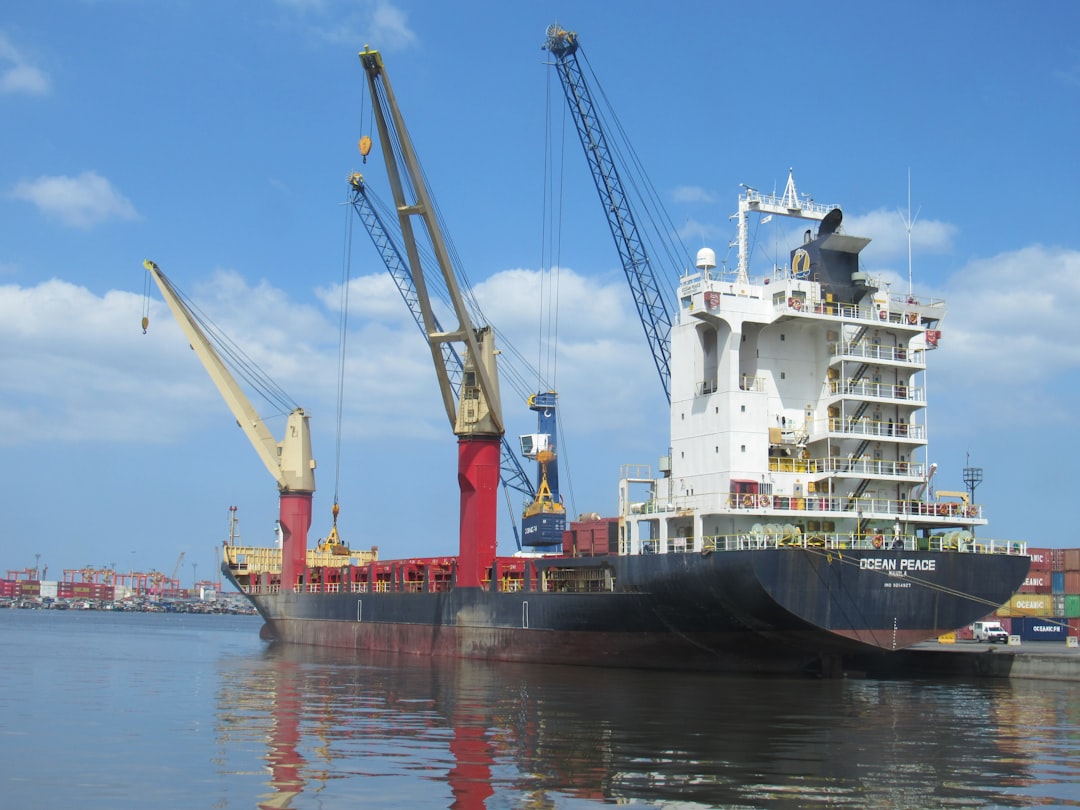
Overview of Synthetic Leather Rolls Shipping Dynamics to/from Algeria
Market Context for Synthetic Leather Imports
The importation of synthetic leather rolls, classified under HS Code 560314 (nonwovens), into Algeria is a specialized logistics process. As a key industrial input for the Algerian textile and furniture manufacturing sectors, these goods require careful handling to maintain material integrity. Shippers must navigate a regulatory environment that prioritizes domestic industrial growth, necessitating precise documentation and compliance with Algerian customs standards.
Regulatory and Documentation Requirements
Successful clearance at the Port of Algiers depends on strict adherence to documentation protocols. Importers must provide original commercial invoices, packing lists, and certificates of origin, all stamped and signed in blue ink. Given the specific nature of HS 560314, shippers should verify if a Certificate of Conformity is required by the importer to avoid significant clearance delays or potential rejection of goods.
In-Depth Analysis of CMA CGM & Tarros Container Capacity
Carrier Network and Service Reliability
CMA CGM and Tarros are dominant players in the Mediterranean-to-Algeria trade lane. CMA CGM maintains an extensive network, including the "Euronaf" and "SSLMED" loops, providing frequent weekly calls to Algiers. Tarros, often operating in partnership with lines like COSCO, specializes in regional short-sea services, offering highly competitive transit times from major Mediterranean hubs like La Spezia and Genoa.
Capacity Management Strategies
Both carriers have implemented sophisticated capacity management strategies to mitigate the impact of regional volatility. In response to periodic congestion at the Port of Algiers, these lines have occasionally utilized alternative ports such as Djen-Djen to maintain supply chain flow. Shippers are advised to maintain close communication with local agents (such as Med Agensea for Tarros/COSCO) to receive real-time updates on vessel schedules and potential port omissions.
Ocean Freight Rates & Cost Optimization for HS Code 560314
Freight Rate Trends and Volatility
Ocean freight rates for the Mediterranean-to-Algeria route remain sensitive to fuel surcharges, vessel availability, and geopolitical factors affecting the broader Middle East and North Africa (MENA) region. While rates have stabilized compared to the extreme disruptions of previous years, they remain subject to "spot" market fluctuations.
| Route Segment | Typical Transit Time | Rate Volatility |
|---|---|---|
| Mediterranean Hub to Algiers | 2–5 Days | Moderate |
| Trans-Atlantic/Asia to Algiers | 18–25 Days | High |
Optimization Strategies
- Consolidation: Utilize LCL (Less than Container Load) services if volume does not justify a full 20ft or 40ft container.
- Contractual Stability: Engage in index-linked contracts to mitigate the risk of sudden spot rate spikes.
- Advance Booking: Secure space at least 3–4 weeks in advance, especially during peak manufacturing seasons.
Port Container Tracking & Congestion at Port of Algiers
Current Congestion Status
As of mid-2026, the Port of Algiers has experienced varying levels of congestion. While some periods show median waiting times as low as 0.74 days, seasonal weather events and vessel bunching can quickly push waiting times to 4–5 days. Shippers should monitor real-time port operational updates to adjust their inland logistics planning accordingly.
Tracking and Visibility Tools
Leveraging digital tracking tools provided by carriers (e.g., CMA CGM's "My CMA CGM" dashboard) or third-party logistics platforms is essential. These tools provide visibility into container status, gate-in/gate-out times, and potential delays, allowing for proactive communication with consignees in Algeria.
Global Logistics Optimization & Supply Chain Strategies
Mitigating Transit Risks
To ensure the safe arrival of synthetic leather rolls, professional packaging and load securing are non-negotiable. Given the potential for port delays, shippers should build "buffer time" into their supply chain schedules. This includes ensuring that all customs documentation is pre-cleared or reviewed by a local customs broker before the vessel arrives at the berth.
Strategic Partnerships
Developing a strong relationship with a local Algerian partner or distributor is the most effective way to navigate the complexities of the local market. A local partner can facilitate faster customs clearance and provide insights into the latest regulatory changes, which are often implemented with little notice.
Executive Summary & Future Outlook
Sources & References
- Shipping Pneumatic Air Cylinders to the Port of Valencia, Spain
- Shipping Semiconductor Microchips (HS 854231) to the Port of Montreal
- Shipping Tomato Paste Cans (HS 200290) to the Port of Gothenburg, Sweden
- Shipping SPC Vinyl Click Flooring to the Port of Antwerp-Bruges
- Shipping True Wireless Earbuds (HS 8517.62) to the Port of Alexandria, Egypt
- Shipping Semiconductor Microchips (HS 854231) to the Port of Sines, Portugal
- Shipping Centrifugal Water Pumps to the Port of San Antonio, Chile
- Shipping Digital Signage Monitors to the Port of Trieste, Italy
- Shipping Printed Circuit Boards (PCB) to Egypt via Port of Said
- Optimizing Logistics for Solid State Drives (SSD) Imports to the Port of Chittagong, Bangladesh