
 402 Visitors
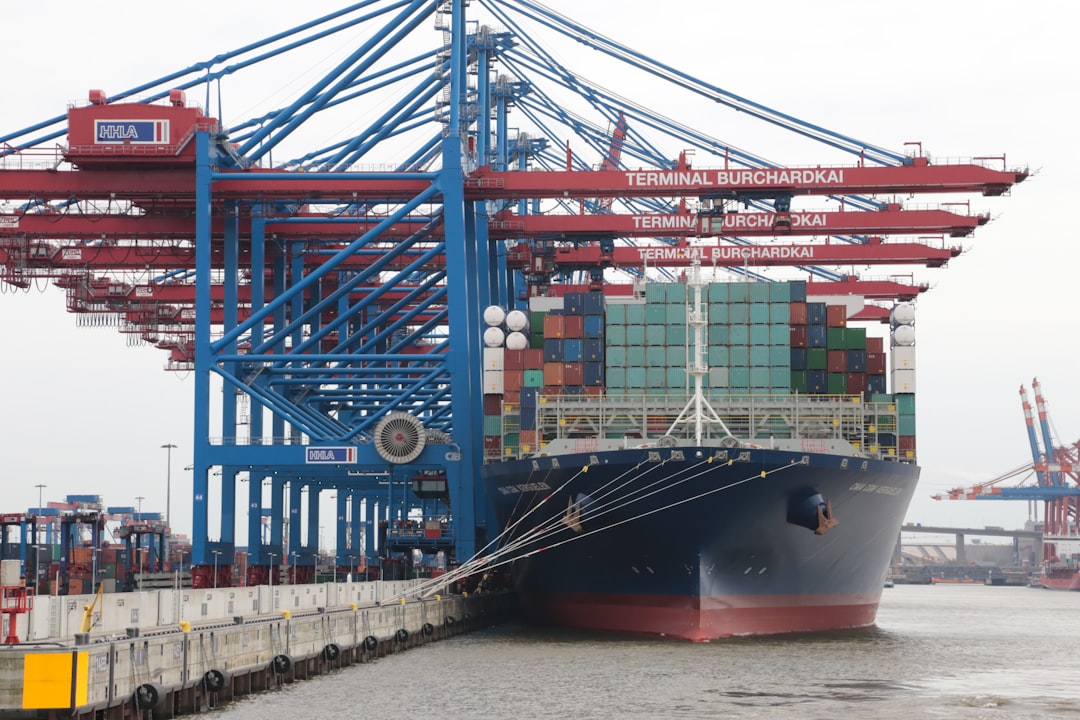
Overview of Wheat Flour Milling Machines Shipping Dynamics to/from Brazil
The trade of industrial machinery, specifically wheat flour milling equipment (HS Code 8437.80), represents a critical component of Brazil's agricultural processing sector. As Brazil continues to modernize its food production infrastructure, the demand for high-efficiency, automated milling plants has seen consistent growth. Shipping these specialized assets requires meticulous planning, as they are often high-value, sensitive, and heavy-duty capital goods.
Market Context for HS Code 8437.80
Machinery under HS Code 8437.80 encompasses industrial-grade equipment such as roller mills, sifters, and grain-sorting systems. Unlike farm-type machinery, these units are designed for large-scale processing facilities. Importers must ensure correct classification under the Brazilian NCM (Nomenclatura Comum do Mercosul) system to avoid heavy penalties and ensure smooth customs clearance.
Key Considerations for Brazilian Imports
Importing industrial machinery into Brazil involves navigating the SISCOMEX digital system. Importers must be registered and authorized by the Receita Federal. Furthermore, the "Ex-Tarifário" regime can be a vital tool for cost optimization, potentially reducing import duties to 0% for equipment that has no equivalent manufactured within Brazil.
In-Depth Analysis of Maersk / MSC & Container Capacity
Maersk and MSC are the dominant carriers serving the East Coast of South America (ECSA). Their presence at the Port of Paranaguá is robust, providing the necessary capacity for both dry and specialized containerized cargo.
Carrier Infrastructure and Service Reliability
Both Maersk and MSC have invested heavily in the region. Maersk, in particular, has recently expanded its logistics footprint in Paranaguá with new inland facilities, enhancing its ability to manage end-to-end logistics. These depots provide critical support for industrial cargo, offering storage and cross-docking services that reduce dwell times at the port.
Capacity Management and Scheduling
With frequent weekly calls, these carriers provide high schedule reliability for machinery shipments. Shippers should coordinate closely with local offices to align with vessel schedules, as the Port of Paranaguá handles a high volume of agricultural exports, which can influence container availability and vessel berthing priority.
Ocean Freight Rates & Cost Optimization for HS Code 8437.80
Freight rates for machinery shipments to Brazil are subject to market volatility, influenced by fuel costs, carrier capacity management, and seasonal demand. While exact spot rates fluctuate, strategic planning can significantly mitigate costs.
Cost Optimization Strategies
Historical vs. Current Freight Trends (Estimated)
| Metric | Historical Trend (2025) | Current Outlook (2026) |
|---|---|---|
| Rate Volatility | High (Post-Crisis Adjustment) | Moderate (Structured/Predictable) |
| Primary Cost Driver | Capacity Shortages | Regulatory & Inland Costs |
| Service Focus | Spot Market | Contract & Integrated Logistics |
Port Container Tracking & Congestion at Port of Paranaguá
The Port of Paranaguá, managed largely by TCP (Terminal de Contêineres de Paranaguá), is one of Brazil's most efficient terminals. However, it remains susceptible to seasonal congestion due to its role as a major export hub for agricultural commodities.
Current Congestion Status
As of mid-2026, the port has reported efficient handling metrics, though average vessel waiting times can fluctuate between 1 to 2 days depending on berth availability. High yard utilization is common during peak agricultural export seasons, which can impact the speed of container gate-ins and gate-outs.
Tracking and Visibility
- Utilize carrier-provided tracking tools (Maersk/MSC portals) for real-time vessel status.
- Monitor local port reports from Portos do Paraná for operational updates.
- Leverage third-party visibility platforms to track container-level status and predictive ETAs.
Global Logistics Optimization & Supply Chain Strategies
For high-value machinery, the "last mile" and customs clearance are as important as the ocean transit. A successful strategy integrates these elements into a single, cohesive plan.
Strategic Recommendations
- Integrated Logistics: Partner with carriers that offer inland depot services to streamline the transition from port to final destination.
- Compliance First: Ensure all technical documentation (including inspection reports for used machinery) is prepared well in advance to prevent customs holds.
- Multimodal Planning: Consider the use of rail or coastal shipping (cabotage) where applicable to bypass road congestion, especially when moving equipment from the port to inland industrial hubs.
Executive Summary & Future Outlook
The shipment of wheat flour milling machines to Paranaguá is a manageable process when supported by the right logistics partners and a thorough understanding of Brazilian customs. While the port remains a busy hub, ongoing investments in infrastructure and terminal capacity are improving throughput efficiency.
Key Takeaways
The 2026 logistics landscape in Brazil favors shippers who prioritize integrated, end-to-end solutions. By leveraging the Ex-Tarifário regime and utilizing the expanded depot infrastructure of carriers like Maersk, companies can effectively navigate port congestion and optimize their total landed costs.
Sources & References
Portos do Paraná Official Reports | Maersk Brazil Logistics Updates | MSC Brazil Shipping Services | Ministry of Development, Industry, Trade and Services (MDIC)
- Shipping Pneumatic Air Cylinders to the Port of Valencia, Spain
- Shipping Semiconductor Microchips (HS 854231) to the Port of Montreal
- Shipping Tomato Paste Cans (HS 200290) to the Port of Gothenburg, Sweden
- Shipping SPC Vinyl Click Flooring to the Port of Antwerp-Bruges
- Shipping True Wireless Earbuds (HS 8517.62) to the Port of Alexandria, Egypt
- Shipping Semiconductor Microchips (HS 854231) to the Port of Sines, Portugal
- Shipping Centrifugal Water Pumps to the Port of San Antonio, Chile
- Shipping Digital Signage Monitors to the Port of Trieste, Italy
- Shipping Printed Circuit Boards (PCB) to Egypt via Port of Said
- Optimizing Logistics for Solid State Drives (SSD) Imports to the Port of Chittagong, Bangladesh