
 0 Visitors
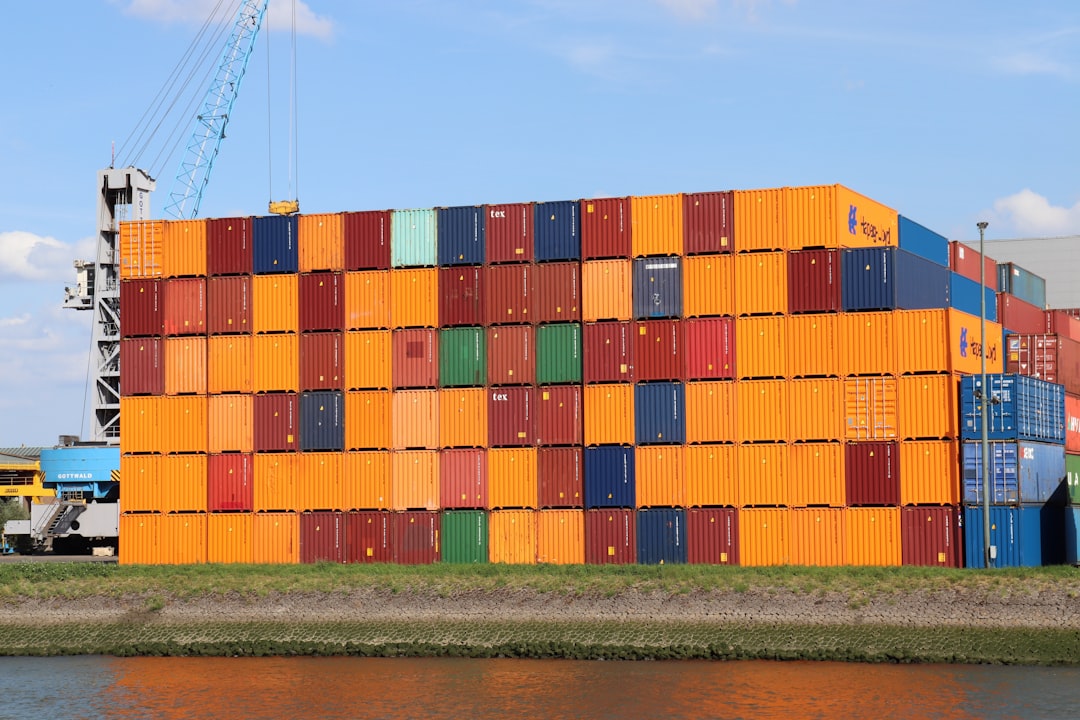
Overview of Steel Cord Conveyor Belt Shipping Dynamics to the United States
The importation of industrial components, specifically steel cord conveyor belts (HS Code 4010.12), into the United States requires a sophisticated understanding of both global supply chain volatility and specific customs classification. As of June 2026, the transpacific trade lane is experiencing an aggressive, early peak season, driven by retailers frontloading inventory to mitigate potential tariff impacts and prepare for seasonal demand spikes.
Market Drivers for Industrial Imports
The demand for high-durability conveyor systems remains robust, fueled by the mining, logistics, and bulk terminal sectors. However, shippers are currently navigating a complex environment where geopolitical tensions and carrier capacity management have significantly tightened space availability on vessels arriving at the Port of Los Angeles (LA).
Customs and Compliance Considerations
Proper classification under HS Code 4010.12 is critical. While often used for textile-reinforced belts, ensuring your specific product meets the technical definitions for steel cord reinforcement is vital to avoid classification disputes with U.S. Customs and Border Protection (CBP). Importers must be prepared for potential duty implications and should maintain detailed technical documentation to support their declarations.
In-Depth Analysis of Maersk, ONE, and COSCO & Container Capacity
Major carriers including Maersk, Ocean Network Express (ONE), and COSCO are currently managing a delicate balance between vessel utilization and service reliability. As of June 2026, these carriers are reporting high utilization rates, often exceeding 95% on key transpacific loops.
Carrier Capacity Management Strategies
Carriers have been utilizing blank sailings and strategic capacity adjustments to manage the influx of cargo. While new vessel deliveries are entering the global fleet, the effective capacity remains constrained by longer transit times caused by ongoing geopolitical disruptions, which force vessels to bypass traditional routes and maintain slower steaming speeds to manage fuel costs.
Service Reliability and Booking Pressures
Shippers are advised that even with valid long-term contracts, securing space has become increasingly difficult. Carriers are prioritizing high-yield cargo, and instances of rolled cargo are becoming more frequent. Early booking—ideally 4-6 weeks in advance—is strongly recommended for industrial shipments like conveyor belts.
Ocean Freight Rates & Cost Optimization for HS Code 4010.12
Freight rates for the Asia-to-US West Coast route have seen significant upward pressure throughout the second quarter of 2026. As of mid-June, spot rates are at their highest levels since July 2025.
| Route | Historical Baseline (March 2026) | Current Spot Rate (June 2026) | Trend |
|---|---|---|---|
| Asia to US West Coast (LA) | $2,800 – $3,400 / FEU | $4,000 – $4,850 / FEU | Rising |
| Asia to US East Coast | $3,700 – $4,500 / FEU | $4,400 – $6,000 / FEU | Rising |
Cost Optimization Tactics
- Hybrid Contracting: Combine long-term volume commitments with spot market flexibility to hedge against sudden rate spikes.
- Consolidation: Where possible, consolidate smaller shipments to maximize container utilization, reducing the per-unit cost of freight.
- Advance Booking: Avoid last-minute "premium" surcharges by securing allocations well ahead of the peak season.
Port Container Tracking & Congestion at the Port of Los Angeles
The Port of Los Angeles remains the primary gateway for transpacific trade. While the port has invested heavily in modernization and infrastructure, it is currently managing high volumes associated with the early peak season.
Current Operational Status
As of June 2026, local import cargo dwell times at the Port of Los Angeles are averaging approximately 3 days, with on-dock rail dwell times averaging 4.7 days. While these metrics indicate a relatively fluid operation compared to past crisis periods, the sheer volume of incoming cargo is testing terminal capacity.
Tracking and Visibility
Importers should leverage the Port of Los Angeles' "Port Optimizer" and real-time tracking tools provided by carriers like Maersk and ONE. Maintaining visibility on "street dwell" times—the time containers spend outside the terminal—is essential for avoiding demurrage and detention charges.
Global Logistics Optimization & Supply Chain Strategies
Risk Management in Industrial Logistics
For heavy industrial goods like steel cord conveyor belts, supply chain risk is not limited to ocean freight. Inland transportation, particularly rail and trucking availability in Southern California, can create secondary bottlenecks. Diversifying your drayage providers and maintaining a buffer in your inventory levels are essential strategies for mitigating these risks.
Executive Summary & Future Outlook
The logistics landscape for importing steel cord conveyor belts to the U.S. via the Port of Los Angeles is characterized by high demand, rising freight costs, and a need for proactive planning. With an early peak season in full effect, importers must prioritize booking reliability over short-term cost savings.
Key Takeaways for Logistics Executives
- Monitor Tariff Impacts: Stay informed on potential changes to U.S. trade policy that may affect industrial imports.
- Prioritize Visibility: Use digital tracking tools to monitor container status from the port of loading to final delivery.
- Plan for Volatility: Expect continued rate fluctuations and capacity constraints through the remainder of Q3 2026.
Sources & References
Port of Los Angeles Cargo Statistics & Operations | Drewry World Container Index | Maersk North America Market Updates | U.S. Customs and Border Protection (CBP) Trade Regulations
- Shipping Pneumatic Air Cylinders to the Port of Valencia, Spain
- Shipping Semiconductor Microchips (HS 854231) to the Port of Montreal
- Shipping Tomato Paste Cans (HS 200290) to the Port of Gothenburg, Sweden
- Shipping SPC Vinyl Click Flooring to the Port of Antwerp-Bruges
- Shipping True Wireless Earbuds (HS 8517.62) to the Port of Alexandria, Egypt
- Shipping Semiconductor Microchips (HS 854231) to the Port of Sines, Portugal
- Shipping Centrifugal Water Pumps to the Port of San Antonio, Chile
- Shipping Digital Signage Monitors to the Port of Trieste, Italy
- Shipping Printed Circuit Boards (PCB) to Egypt via Port of Said
- Optimizing Logistics for Solid State Drives (SSD) Imports to the Port of Chittagong, Bangladesh