
 400 Visitors
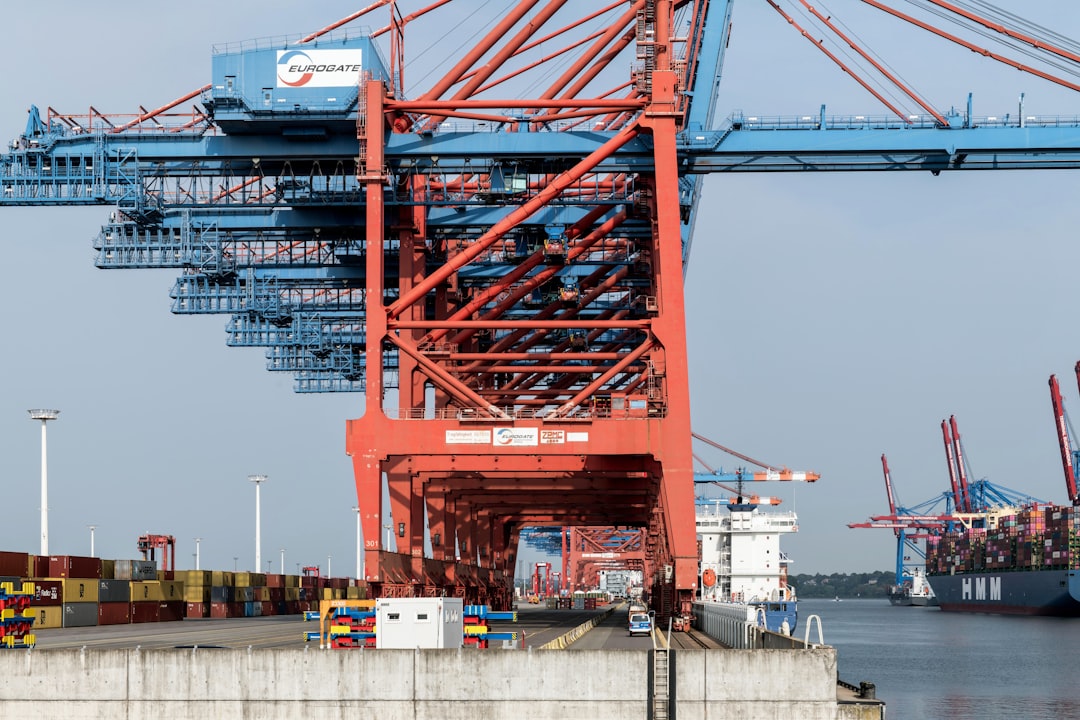
Overview of Car GPS Tracker Shipping Dynamics to/from Vietnam
The import of electronic apparatus, specifically car GPS trackers classified under HS Code 852691, into Vietnam has seen significant growth as the country strengthens its position as a regional manufacturing and logistics hub. These devices, which utilize satellite signals for geolocation, are critical components in modern vehicle telematics and asset management systems.
Regulatory Landscape for Electronics
Importing electronic devices into Vietnam requires strict adherence to customs regulations. Under HS Code 852691, these goods are generally categorized as radio navigational aid apparatus. Importers must ensure that their products comply with technical standards set by the Ministry of Information and Communications. Failure to provide accurate documentation, including certificates of origin and technical specifications, can lead to significant customs delays.
Market Demand and Growth
Vietnam's electronics sector continues to expand, with the Port of Haiphong serving as the primary gateway for the Northern Key Economic Region. As the country integrates further into global supply chains, the demand for efficient, high-tech logistics solutions for imported components like GPS trackers remains robust.
In-Depth Analysis of Main Shipping Lines & Container Capacity
The route to the Port of Haiphong is serviced by several major carriers, including SITC, COSCO, KMTC, and TS Lines. These carriers provide critical connectivity for intra-Asia trade, which is the primary source for electronic components entering Vietnam.
Carrier Performance and Reliability
- SITC & KMTC: These lines are highly specialized in intra-Asia routes, offering high-frequency services that are ideal for the electronics industry's "just-in-time" inventory requirements.
- COSCO & TS Lines: These carriers provide broader global connectivity, allowing for seamless transshipment from major global hubs into the Northern Vietnamese market.
Capacity Management
While global container capacity is expected to grow by approximately 3% in 2026, effective capacity remains influenced by port congestion and regional demand fluctuations. Shippers are advised to maintain close relationships with these carriers to secure space during peak seasons.
Ocean Freight Rates & Cost Optimization for HS Code 852691
Freight rates for electronics are influenced by both global market trends and specific regional surcharges. While rates on some trans-Pacific routes have shown signs of softening in mid-2026, intra-Asia rates remain sensitive to seasonal demand and fuel adjustments.
Cost Comparison and Trends
| Cost Factor | Impact on Landed Cost | Optimization Strategy |
|---|---|---|
| Ocean Freight | Moderate/High | Book in advance; leverage contract rates with SITC/COSCO. |
| Import Duty (HS 852691) | Variable (0-10%) | Utilize FTA certificates (e.g., ACFTA, RCEP) to reduce duty to 0%. |
| VAT (Vietnam) | 10% | Ensure accurate CIF valuation to avoid audit penalties. |
Strategic Cost Reduction
To optimize costs, importers should focus on the CIF (Cost, Insurance, and Freight) valuation method used by Vietnamese customs. By accurately documenting insurance and freight charges, companies can prevent overpayment of duties and VAT.
Port Container Tracking & Congestion at Port of Haiphong
The Port of Haiphong is the busiest maritime gateway in Northern Vietnam, handling a significant portion of the country's container throughput. While infrastructure investments have improved capacity, congestion remains a potential risk during peak periods.
Current Congestion Status
As of June 2026, the Port of Haiphong is operating with manageable wait times, typically averaging around 1 day for vessel berthing. However, inland connectivity—specifically road and rail links—remains a bottleneck that can delay the final delivery of goods to industrial parks.
Digital Tracking Solutions
Global Logistics Optimization & Supply Chain Strategies
For companies importing GPS trackers, a resilient supply chain is paramount. The "China + 1" strategy continues to drive manufacturing shifts, making Vietnam an increasingly vital node in the electronics supply chain.
Key Takeaways for Supply Chain Managers
- Diversify Carrier Mix: Do not rely on a single shipping line. Utilize the combined strengths of SITC, COSCO, KMTC, and TS Lines to mitigate the risk of blank sailings.
- Infrastructure Utilization: Leverage the Hanoi–Hai Phong Expressway for faster transit from the port to inland distribution centers.
- Regulatory Compliance: Always verify the latest requirements from the Ministry of Information and Communications to avoid cargo holds at the port.
Executive Summary & Future Outlook
The outlook for 2026 remains positive, with Vietnam's logistics sector expected to record steady growth. While global shipping markets face volatility, the Northern Vietnamese corridor, anchored by the Port of Haiphong, is well-positioned to handle increased volumes of high-value electronics.
Future Outlook
Continued investment in deep-water terminals (such as the Lach Huyen project) will further enhance Haiphong’s capacity to handle larger vessels, reducing the reliance on transshipment and lowering overall logistics costs. Shippers who prioritize digital integration and FTA utilization will maintain a competitive advantage in this evolving market.
Sources & References
VnEconomy - Hai Phong Economic Performance 2026 | Vietnam General Department of Customs | DHL Logistics Insights | Viconship Market Reports
- Shipping Pneumatic Air Cylinders to the Port of Valencia, Spain
- Shipping Semiconductor Microchips (HS 854231) to the Port of Montreal
- Shipping Tomato Paste Cans (HS 200290) to the Port of Gothenburg, Sweden
- Shipping SPC Vinyl Click Flooring to the Port of Antwerp-Bruges
- Shipping True Wireless Earbuds (HS 8517.62) to the Port of Alexandria, Egypt
- Shipping Semiconductor Microchips (HS 854231) to the Port of Sines, Portugal
- Shipping Centrifugal Water Pumps to the Port of San Antonio, Chile
- Shipping Digital Signage Monitors to the Port of Trieste, Italy
- Shipping Printed Circuit Boards (PCB) to Egypt via Port of Said
- Optimizing Logistics for Solid State Drives (SSD) Imports to the Port of Chittagong, Bangladesh