
 0 Visitors
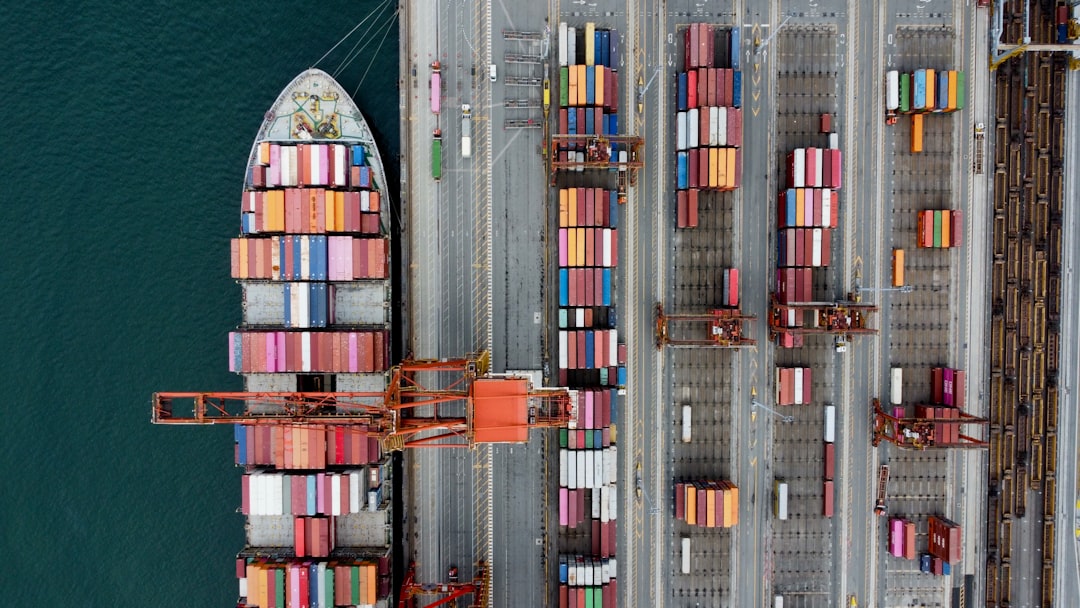
Overview of Organic Soy Protein Isolate Shipping Dynamics to Australia
The importation of Organic Soy Protein Isolate into Australia is a highly regulated process, primarily governed by the Department of Agriculture, Fisheries and Forestry (DAFF). As a food-grade product, it falls under the purview of the Biosecurity Act 2015 and the Imported Food Control Act 1992. Shippers must ensure that their cargo meets strict biosecurity standards to avoid costly delays or destruction of goods upon arrival at the Port of Melbourne.
Regulatory Compliance and Biosecurity
Before initiating a shipment, importers must verify if an import permit is required. While many processed protein isolates are permitted, they must be free from prohibited plant materials and contaminants. It is essential to work with a licensed customs broker to ensure that the commercial invoice, packing list, and health certificates are accurately prepared to meet Australian Border Force (ABF) requirements.
Market Demand and Cargo Characteristics
Organic Soy Protein Isolate (HS Code 350400) is a high-value commodity often used in the health and fitness sector. Given its organic certification, maintaining the integrity of the supply chain—specifically preventing cross-contamination during ocean transit—is paramount. Shippers should prioritize carriers that offer reliable, temperature-controlled, or moisture-controlled container options if necessary.
In-Depth Analysis of ANL, Maersk, & COSCO Container Capacity
The route to the Port of Melbourne is well-serviced by major global carriers, including ANL (a CMA CGM subsidiary), Maersk, and COSCO. These lines provide critical connectivity through various consortia and direct services, ensuring consistent capacity for Australian importers.
Carrier Service Profiles
- ANL (CMA CGM): Maintains a strong presence in the Oceania trade, often operating joint services like the A3 Consortium (with COSCO) to provide competitive transit times from North East Asia.
- Maersk: Offers comprehensive global network coverage with specialized Oceania services, focusing on schedule reliability and integrated logistics solutions.
- COSCO: A key player in the Asia-Australia trade, leveraging its extensive fleet to provide high-frequency sailings and strategic port coverage.
Capacity Management and Reliability
As of June 2026, carriers are actively managing capacity through blank sailings and network adjustments to balance supply with fluctuating demand. While schedule reliability has improved compared to previous years, shippers should remain aware that carriers are prioritizing space protection for long-term contract holders over spot market bookings.
Ocean Freight Rates & Cost Optimization for HS Code 350400
Freight rates in mid-2026 are characterized by regional volatility. While some trans-Pacific routes have seen softening, rates to Australia remain under pressure due to seasonal demand and the need for carriers to reposition equipment effectively.
Freight Rate Comparison Table
| Cost Component | Estimated Impact (Per FEU) | Notes |
|---|---|---|
| Base Ocean Freight | USD $2,500 – $5,500 | Highly dependent on origin port and carrier |
| Bunker Adjustment Factor (BAF) | 5% – 20% of Base | Fluctuates with global fuel prices |
| Port Congestion Surcharge | USD $100 – $1,000+ | Applied during peak terminal delays |
| Documentation/Customs Fees | USD $50 – $300 | Standard administrative costs |
Strategic Cost Optimization
To optimize landed costs, shippers should:
- Consolidate shipments to maximize container utilization.
- Negotiate all-in rates that include BAF and PSS (Peak Season Surcharge) to avoid mid-transit billing surprises.
- Utilize the "Tariff Concessions System" where applicable to reduce import duties.
Port Container Tracking & Congestion at Port of Melbourne
The Port of Melbourne, Australia's largest container port, continues to face periodic challenges related to labor productivity and biosecurity inspection backlogs. These factors can lead to extended dwell times for imported containers.
Monitoring Real-Time Congestion
Shippers are advised to utilize digital tracking tools to monitor vessel berthing schedules. As of June 2026, berth delays have been reported, and carriers have occasionally implemented congestion surcharges to offset the operational costs of waiting at anchorage.
Mitigating Delay Risks
Global Logistics Optimization & Supply Chain Strategies
In the current 2026 shipping environment, supply chain resilience is as critical as cost efficiency. The "just-in-time" model is being replaced by "just-in-case" strategies, requiring more robust inventory buffers.
Diversifying Carrier Options
Do not rely on a single shipping line. By splitting volumes between carriers like Maersk, ANL, and COSCO, shippers can mitigate the impact of a single carrier's service disruption or equipment shortage.
Leveraging Digital Visibility
Implement container-level tracking software to gain real-time visibility into your cargo's location. This data allows for better downstream planning, particularly for time-sensitive organic products that may have specific shelf-life requirements.
Executive Summary & Future Outlook
The outlook for shipping Organic Soy Protein Isolate to Melbourne in the second half of 2026 suggests a period of transition. While the market is no longer in "crisis mode," it remains sensitive to geopolitical shifts, fuel price volatility, and regional port congestion.
Key Takeaways
- Compliance First: Ensure all biosecurity and import documentation is perfect to avoid quarantine delays.
- Plan for Volatility: Budget for potential surcharges and maintain a buffer in your supply chain schedule.
- Strategic Partnerships: Work closely with experienced freight forwarders who understand the nuances of the Australian trade lane.
Sources & References
Department of Agriculture, Fisheries and Forestry (DAFF) - Biosecurity Requirements
Port of Melbourne - Trade & Operations
Maersk - Oceania Shipping Routes
ANL Container Line - Service Schedules
Australian Border Force - Importing Goods
- Shipping Pneumatic Air Cylinders to the Port of Valencia, Spain
- Shipping Semiconductor Microchips (HS 854231) to the Port of Montreal
- Shipping Tomato Paste Cans (HS 200290) to the Port of Gothenburg, Sweden
- Shipping SPC Vinyl Click Flooring to the Port of Antwerp-Bruges
- Shipping True Wireless Earbuds (HS 8517.62) to the Port of Alexandria, Egypt
- Shipping Semiconductor Microchips (HS 854231) to the Port of Sines, Portugal
- Shipping Centrifugal Water Pumps to the Port of San Antonio, Chile
- Shipping Digital Signage Monitors to the Port of Trieste, Italy
- Shipping Printed Circuit Boards (PCB) to Egypt via Port of Said
- Optimizing Logistics for Solid State Drives (SSD) Imports to the Port of Chittagong, Bangladesh