
 449 Visitors
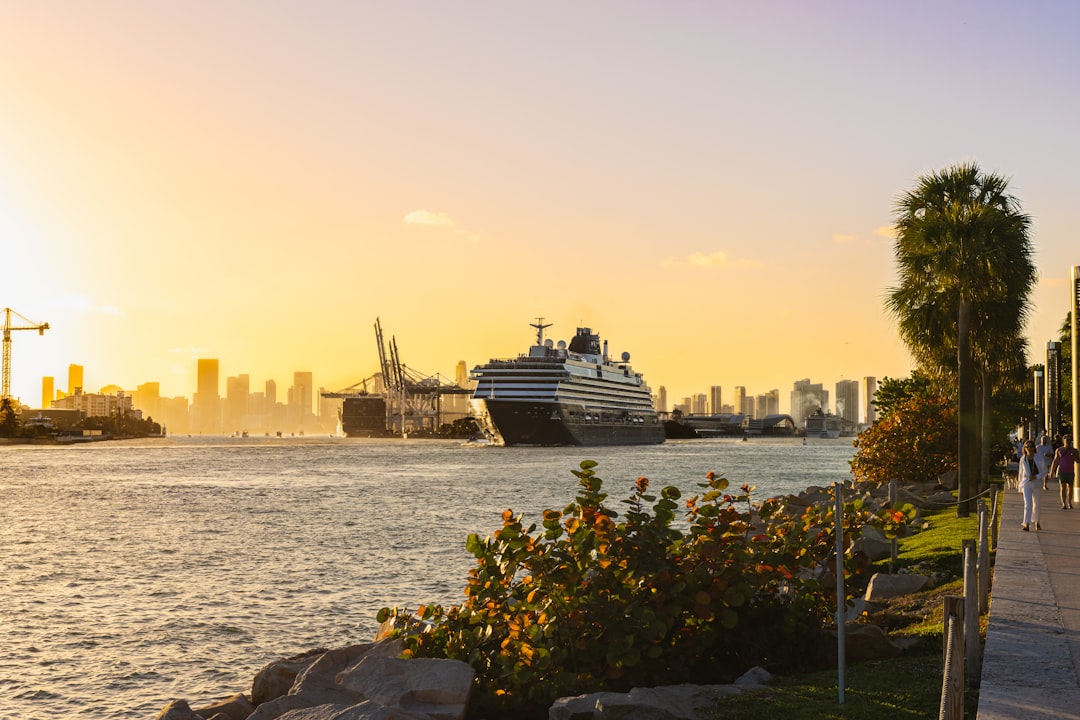
Overview of Ceramic Wall Tiles Shipping Dynamics to/from Dominican Rep.
The Dominican Republic has emerged as a critical logistics hub in the Caribbean, with the Port of Caucedo serving as a primary gateway for both local consumption and regional transshipment. For importers of ceramic wall tiles (HS Code 690721), understanding the specific dynamics of this route is essential. Ceramic tiles, characterized by high density and fragility, require precise handling and efficient transit to minimize breakage and storage costs.
Market Demand and Infrastructure
The construction sector in the Dominican Republic continues to drive demand for high-quality ceramic finishes. The Port of Caucedo, operated by DP World, is uniquely positioned with an integrated Free Trade Zone (FTZ) that allows companies to stage inventory, perform light assembly, and manage distribution across the Caribbean basin.
Regulatory and Customs Considerations
Importing goods under HS Code 690721—defined as ceramic flags and paving, hearth or wall tiles with a water absorption coefficient not exceeding 0.5%—requires meticulous documentation. Importers must ensure that the Certificate of Origin and commercial invoices accurately reflect the product specifications to avoid customs delays or misclassification penalties.
In-Depth Analysis of CMA CGM & Hapag-Lloyd Container Capacity
CMA CGM and Hapag-Lloyd are among the dominant carriers servicing the Port of Caucedo. Their capacity management strategies directly influence the availability of equipment and the reliability of schedules for construction materials.
Carrier Market Share and Service Reliability
Recent data indicates that CMA CGM holds a significant share of the capacity at the Port of Caucedo, often exceeding 50% in regional snapshots. Hapag-Lloyd also maintains a robust presence, providing critical connectivity for trans-Atlantic and intra-Americas trade lanes.
Equipment Availability for Heavy Cargo
Ceramic tiles are heavy, high-density goods. Shippers must coordinate with these carriers to secure 20-foot or 40-foot containers that meet weight limitations. Both CMA CGM and Hapag-Lloyd have implemented surcharges for heavy-load containers, which must be factored into the landed cost of your goods.
Ocean Freight Rates & Cost Optimization for HS Code 690721
Ocean freight rates in 2026 remain volatile, influenced by global capacity realignments and geopolitical factors. While the market has stabilized compared to the pandemic era, shippers should anticipate range-bound fluctuations.
Current Rate Environment
As of mid-2026, freight rates have experienced upward pressure due to tightened capacity and carrier-driven market cycles. Below is a summary of the cost landscape for containerized shipments:
| Container Type | Market Trend (2026) | Strategic Note |
|---|---|---|
| 20ft Dry Container | Moderate/High | Preferred for high-density ceramic tiles to avoid weight limit surcharges. |
| 40ft Dry Container | High | Best for volume, but requires monitoring of heavy-load surcharges. |
Cost Optimization Strategies
- Consolidation: Utilize LCL (Less than Container Load) services if volume does not justify a full container, though this increases handling risks for fragile tiles.
- Contract vs. Spot: For consistent monthly volumes, negotiate long-term contract rates to hedge against spot market volatility.
- Incoterms: Shift toward DDP (Delivered Duty Paid) terms if your logistics partner has a strong local presence in the Dominican Republic to streamline customs clearance.
Port Container Tracking & Congestion at Port of Caucedo
The Port of Caucedo is currently operating with a relatively low congestion index, with median waiting times often hovering around 0.9 to 1.0 days. However, seasonal spikes can occur.
Real-Time Visibility
Supply chain managers should leverage digital tracking tools provided by carriers like CMA CGM and third-party platforms to monitor vessel ETAs. Proactive tracking allows for the early identification of potential delays, enabling the rerouting of drayage services if necessary.
Managing Dwell Times
Imports at Caucedo have historically moved faster than transshipment cargo. To minimize storage fees, ensure that all customs documentation is submitted via the electronic single window system well before the vessel's arrival.
Global Logistics Optimization & Supply Chain Strategies
Risk Mitigation
Given the fragility of ceramic wall tiles, prioritize high-quality packaging and palletization. Ensure that containers are properly stuffed and secured to prevent shifting during the ocean voyage.
Sustainability and Compliance
Be aware that carriers are increasingly applying "Energy Transition" or "Carbon" surcharges. Review your shipping contracts to understand how these environmental levies are calculated and passed on to the shipper.
Executive Summary & Future Outlook
The outlook for shipping ceramic wall tiles to the Dominican Republic remains positive, provided that importers maintain a flexible and data-driven approach. While freight rates are currently elevated, the strategic expansion of the Port of Caucedo offers long-term advantages for those looking to establish a robust supply chain in the Caribbean.
Key Takeaways
- Monitor Capacity: Keep a close watch on CMA CGM and Hapag-Lloyd service updates, as they control the majority of the capacity at Caucedo.
- Prioritize Documentation: Accurate HS Code (690721) declaration is non-negotiable for smooth customs clearance.
- Leverage FTZs: Consider using the Caucedo Free Trade Zone to optimize inventory management and reduce last-mile delivery risks.
Sources & References
Data and insights sourced from CMA CGM, Hapag-Lloyd, Cogoport, Portcast, and Americas Market Intelligence reports regarding 2026 logistics trends and port performance.
- Shipping Pneumatic Air Cylinders to the Port of Valencia, Spain
- Shipping Semiconductor Microchips (HS 854231) to the Port of Montreal
- Shipping Tomato Paste Cans (HS 200290) to the Port of Gothenburg, Sweden
- Shipping SPC Vinyl Click Flooring to the Port of Antwerp-Bruges
- Shipping True Wireless Earbuds (HS 8517.62) to the Port of Alexandria, Egypt
- Shipping Semiconductor Microchips (HS 854231) to the Port of Sines, Portugal
- Shipping Centrifugal Water Pumps to the Port of San Antonio, Chile
- Shipping Digital Signage Monitors to the Port of Trieste, Italy
- Shipping Printed Circuit Boards (PCB) to Egypt via Port of Said
- Optimizing Logistics for Solid State Drives (SSD) Imports to the Port of Chittagong, Bangladesh