
 1900 Visitors
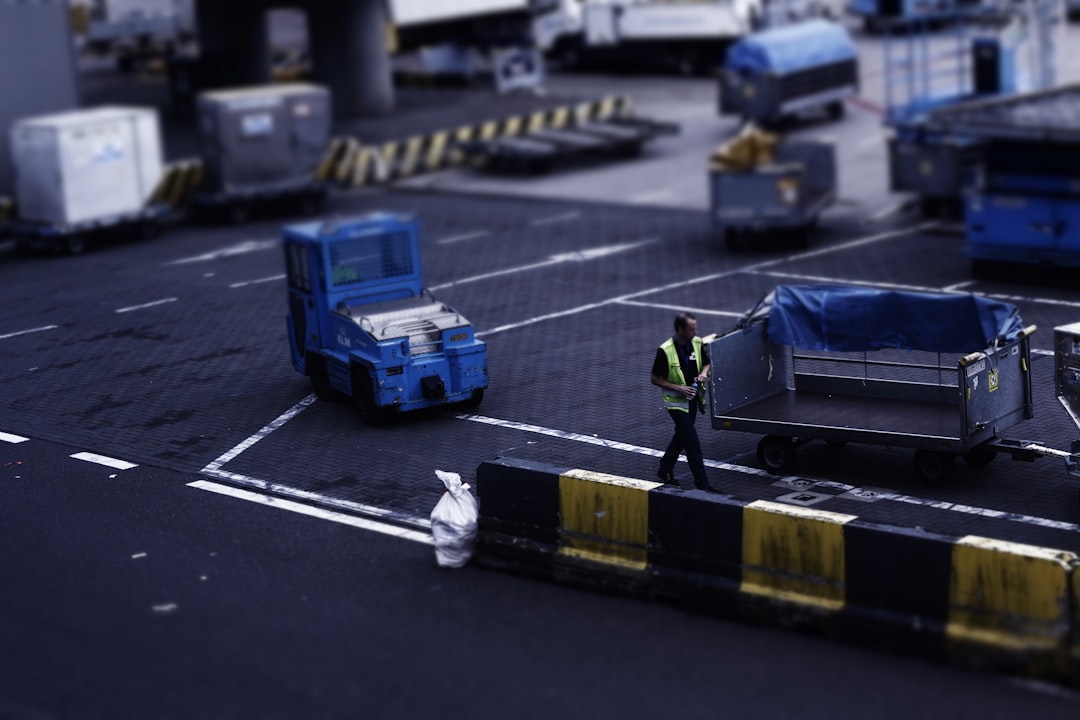
Overview of Automatic Bottling Lines Shipping Dynamics to/from Egypt
The import of industrial machinery, specifically automatic bottling lines classified under HS Code 8422.30, represents a critical component of Egypt’s expanding manufacturing sector. As Egypt continues to position itself as a regional industrial hub, the demand for high-efficiency packaging and filling technology has surged. Shipping this specialized equipment requires meticulous planning, as these units are often high-value, sensitive, and subject to specific regulatory oversight under the Egyptian Advanced Cargo Information (ACI) system.
Regulatory Compliance and the ACI System
All shipments entering Egypt must comply with the Nafeza single-window system. Exporters must ensure that the ACID (Advanced Cargo Information Declaration) number is obtained by the importer and clearly marked on all shipping documentation, including the Bill of Lading and commercial invoices, at least 48 hours prior to vessel arrival. Failure to adhere to these protocols can result in significant delays, fines, or the forced return of cargo.
Industrial Machinery Import Incentives
Egypt offers specific tax deferral and exemption programs for machinery intended for licensed industrial production. Importers should coordinate with technical authorities to certify the intended use of the bottling lines to potentially benefit from deferred customs duties, provided the equipment is utilized in certified production facilities.
In-Depth Analysis of CMA CGM & Maersk Container Capacity
Major carriers like CMA CGM and Maersk have recently bolstered their presence in the Egyptian market to support the growing trade corridor between Europe and the Mediterranean. These carriers are essential partners for moving heavy industrial equipment due to their specialized handling capabilities for out-of-gauge (OOG) or high-value machinery.
New Direct Service Routes
As of June 2026, Maersk has introduced the Baltic Sea - SLA service, providing a direct, weekly rotation linking Gdansk, Bremerhaven, and Genoa (Vado Ligure) directly to Port Said and Alexandria. This service is designed to minimize transshipment risks, which is vital for delicate bottling machinery that may be susceptible to damage during multiple crane lifts.
Carrier Reliability and Equipment Availability
CMA CGM continues to operate its "Alexandria Express" service, which provides consistent weekly connectivity from key European ports. Both carriers offer robust digital tracking tools that allow supply chain managers to monitor the status of their containers in real-time, which is critical when dealing with the high-stakes installation timelines of industrial bottling lines.
Ocean Freight Rates & Cost Optimization for HS Code 8422.30
Ocean freight rates for industrial machinery are currently influenced by global capacity tightening and the specific requirements of handling heavy equipment. While standard dry container rates are subject to market volatility, specialized equipment (such as flat racks for oversized bottling components) often carries a premium.
Comparative Freight Rate Trends (Estimated Market Averages)
| Route | Equipment Type | Estimated Rate Range (USD) | Trend |
|---|---|---|---|
| North Europe to Alexandria | 40' HC Container | $3,500 - $4,600 | Rising |
| Mediterranean to Alexandria | 40' HC Container | $2,800 - $3,900 | Stable |
Cost Optimization Strategies
- Consolidation: If the bottling line is modular, ensure components are packed to maximize container utilization to avoid paying for "dead air."
- Inland Depot Utilization: Utilize Maersk’s inland container depots (e.g., Merghem or Nubaria) to manage equipment release and reduce storage costs at the port.
- Early Booking: Given the current high demand for container space, booking at least 3-4 weeks in advance is recommended to secure equipment priority.
Port Container Tracking & Congestion at Port of Alexandria
The Port of Alexandria remains the primary gateway for industrial imports into Egypt. As of June 2026, the port is operating with a low-to-moderate congestion index. However, seasonal fluctuations and vessel bunching can still impact dwell times.
Monitoring Port Performance
Logistics managers should utilize real-time AIS tracking and terminal-specific updates provided by the Alexandria Container & Cargo Handling Company (ACCHCO). Current median waiting times for vessels at the port are generally under 1 day, but "long-tail" delays can occur during peak periods.
Mitigating Congestion Risks
Pro-Tip: To avoid port-side delays, ensure that all customs documentation is submitted via the Nafeza portal well before the vessel's arrival. Pre-clearing documentation is the most effective way to ensure your bottling line moves from the terminal to the final destination without unnecessary dwell time.
Global Logistics Optimization & Supply Chain Strategies
Shipping high-value machinery requires a "Total Landed Cost" approach. Beyond the ocean freight rate, companies must factor in the costs of inland transport, insurance, and potential storage fees if customs clearance is delayed.
Strategic Recommendations
- Risk Management: Given the sensitivity of bottling machinery, invest in high-quality lashing and securing services to prevent shifting during transit.
- Digital Integration: Use carrier-provided API integrations to feed real-time shipment status directly into your internal ERP system.
- Local Expertise: Partner with a local Egyptian customs broker who is well-versed in the specific requirements for HS 8422.30 to navigate the nuances of the ACI/Nafeza system.
Executive Summary & Future Outlook
The trade corridor for industrial machinery into Egypt is strengthening, supported by new direct shipping services from major carriers like Maersk and CMA CGM. While the market is currently experiencing upward pressure on freight rates due to global capacity constraints, the modernization of the Port of Alexandria and the implementation of the ACI system provide a more transparent, albeit complex, framework for importers.
Key Takeaways
- Compliance is King: The ACID number is non-negotiable; ensure it is on all documents.
- Leverage Direct Routes: Utilize new direct services to reduce transshipment risks for sensitive machinery.
- Plan for Volatility: Budget for potential rate fluctuations and prioritize early booking for all heavy equipment shipments.
Sources & References
Maersk - Global News & Service Updates (June 2026)
CMA CGM - Port Schedules & Logistics Solutions
U.S. International Trade Administration - Egypt Country Commercial Guide
Nafeza - Egypt Single Window System for Foreign Trade
- Shipping Pneumatic Air Cylinders to the Port of Valencia, Spain
- Shipping Semiconductor Microchips (HS 854231) to the Port of Montreal
- Shipping Tomato Paste Cans (HS 200290) to the Port of Gothenburg, Sweden
- Shipping SPC Vinyl Click Flooring to the Port of Antwerp-Bruges
- Shipping True Wireless Earbuds (HS 8517.62) to the Port of Alexandria, Egypt
- Shipping Semiconductor Microchips (HS 854231) to the Port of Sines, Portugal
- Shipping Centrifugal Water Pumps to the Port of San Antonio, Chile
- Shipping Digital Signage Monitors to the Port of Trieste, Italy
- Shipping Printed Circuit Boards (PCB) to Egypt via Port of Said
- Optimizing Logistics for Solid State Drives (SSD) Imports to the Port of Chittagong, Bangladesh