
 498 Visitors
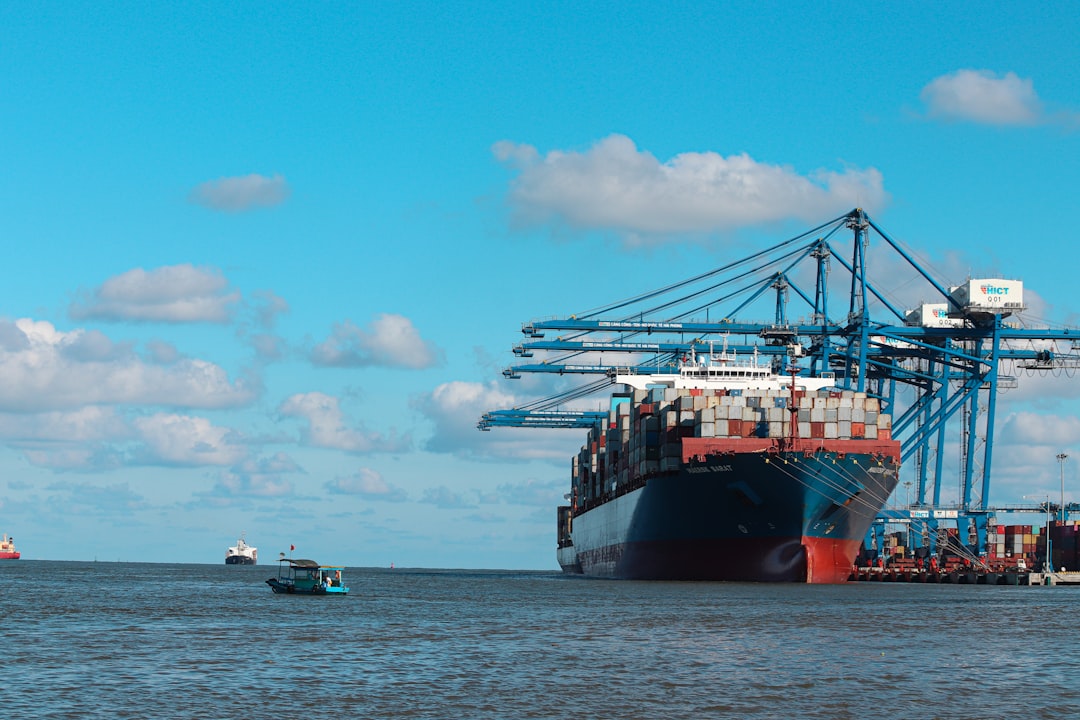
Overview of Coenzyme Q10 Softgels Shipping Dynamics to/from India
The pharmaceutical and nutraceutical supply chain in India is currently navigating a period of "managed volatility." As of June 2026, the movement of high-value, temperature-sensitive goods like Coenzyme Q10 softgels (classified under HS Code 293629) requires meticulous planning. The Indian market remains a critical hub for global health products, but logistics managers must account for shifting trade routes and localized infrastructure bottlenecks that define the current operating environment.
Regulatory Context for HS Code 293629
Coenzyme Q10, often classified under the broader category of vitamins and their derivatives (HS 293629), is subject to stringent quality control and customs documentation in India. Importers must ensure that all certifications, including Certificates of Analysis (CoA) and compliance with FSSAI (Food Safety and Standards Authority of India) or CDSCO (Central Drugs Standard Control Organization) regulations, are prepared well in advance to avoid clearance delays.
Market Sensitivity and Cold Chain Requirements
Softgels are highly sensitive to temperature fluctuations. Given the extreme summer heat currently affecting the Indian subcontinent, maintaining an unbroken cold chain from the point of origin to the final warehouse is non-negotiable. Shippers are advised to prioritize reefer-capable carriers and verify plug availability at the destination terminal.
In-Depth Analysis of MSC, CMA CGM, HMM & Container Capacity
Major carriers including MSC, CMA CGM, and HMM continue to be the primary lifelines for the India-West Coast trade. However, the operational landscape has shifted significantly in Q2 2026.
Carrier Service Adjustments
Carriers have been actively rebalancing their fleets. For instance, Maersk recently launched the FI2 service to bolster capacity on the China-India route, which indirectly impacts the competitive landscape for MSC and CMA CGM by forcing a recalibration of vessel deployment. HMM continues to maintain robust connectivity via their IAX service, which remains a preferred choice for reliable transit times into Nhava Sheva.
Equipment Availability and Vessel Space
While global capacity is technically in a state of structural oversupply, the India-West Coast corridor is experiencing localized "space contraction." Carriers have redirected approximately 40% of standard vessel capacity to higher-yielding Red Sea lanes, leading to tighter booking windows for exporters and importers at Nhava Sheva.
Ocean Freight Rates & Cost Optimization for HS Code 293629
Freight rates for the India-West Coast corridor have seen a marked increase in recent weeks, driven by equipment imbalances and carrier-led rate hikes. As of June 2026, market rates are fluctuating significantly.
Comparative Freight Rate Trends (Estimated)
| Route Segment | Historical Avg (Q1 2026) | Current Market Rate (June 2026) | Trend |
|---|---|---|---|
| Far East to Nhava Sheva | USD 1,300 - 1,500/FEU | USD 1,800 - 2,000/FEU | Upward Pressure |
| Europe to Nhava Sheva | USD 3,200 - 3,500/FEU | USD 3,800 - 4,300/FEU | Rising |
Cost Optimization Strategies
- Direct Port Delivery (DPD): Apply for DPD status to bypass traditional Container Freight Stations (CFS), reducing dwell time and associated storage costs.
- Contractual Agility: Given the volatility, negotiate "floating" contract rates that allow for adjustments based on bunker fuel indices rather than fixed, high-premium spot rates.
Port Container Tracking & Congestion at Nhava Sheva Port
Nhava Sheva (JNPT) is currently experiencing operational bottlenecks. While the port authority reports proactive measures, trade bodies like the Brihanmumbai Customs Brokers Association (BCBA) have flagged significant delays at the Bharat Mumbai Container Terminals (BMCT).
Current Congestion Metrics
The median waiting time for vessels remains relatively low (approx. 0.39 days), but the "gate-to-gate" turnaround for trucks is the primary pain point. Shortages of trailer drivers and high import inventory levels have led to congestion at terminal gates, causing potential rollovers for export cargo.
Tracking and Visibility
Global Logistics Optimization & Supply Chain Strategies
To mitigate the risks of the current environment, supply chain managers must move beyond traditional reactive logistics.
Multimodal Integration
Leveraging India's Dedicated Freight Corridor (DFC) is becoming essential. Cargo arriving at ports like Pipavav or Nhava Sheva can be moved via rail to inland container depots (ICDs) near major industrial hubs, bypassing the road congestion that currently plagues the Mumbai metropolitan region.
Risk Mitigation for Temperature-Sensitive Cargo
- Pre-Cooling Protocols: Ensure that reefer containers are pre-cooled to the required temperature for Coenzyme Q10 softgels at least 24 hours before loading.
- Buffer Stocking: Given the unpredictability of vessel schedules and potential rollovers, maintain a 15-20% buffer in safety stock levels at regional distribution centers.
Executive Summary & Future Outlook
The shipping landscape for Coenzyme Q10 softgels into Nhava Sheva is defined by high operational costs and infrastructure constraints. While the global shipping market faces structural overcapacity, the India-West Coast trade lane remains tight due to geopolitical shifts and equipment realignments.
Key Takeaways for Stakeholders
- Expect Higher Costs: Budget for a 20-30% increase in logistics overhead compared to early 2026 projections.
- Prioritize Visibility: Invest in digital tracking tools to monitor real-time terminal congestion.
- Diversify Routing: Where possible, explore alternative ports or rail-linked inland terminals to avoid the worst of the Nhava Sheva gate congestion.
Sources & References
Data and insights derived from: Maersk Newsroom, The Loadstar, Portcast Port Congestion Tracker, and HMM Global Service Network.
- Shipping Pneumatic Air Cylinders to the Port of Valencia, Spain
- Shipping Semiconductor Microchips (HS 854231) to the Port of Montreal
- Shipping Tomato Paste Cans (HS 200290) to the Port of Gothenburg, Sweden
- Shipping SPC Vinyl Click Flooring to the Port of Antwerp-Bruges
- Shipping True Wireless Earbuds (HS 8517.62) to the Port of Alexandria, Egypt
- Shipping Semiconductor Microchips (HS 854231) to the Port of Sines, Portugal
- Shipping Centrifugal Water Pumps to the Port of San Antonio, Chile
- Shipping Digital Signage Monitors to the Port of Trieste, Italy
- Shipping Printed Circuit Boards (PCB) to Egypt via Port of Said
- Optimizing Logistics for Solid State Drives (SSD) Imports to the Port of Chittagong, Bangladesh