
 0 Visitors
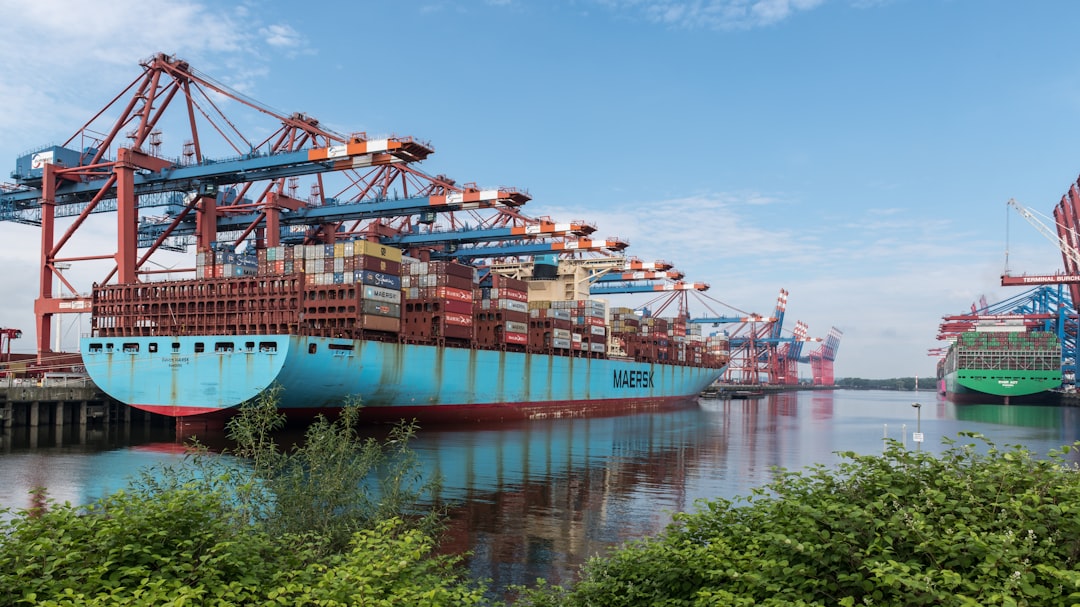
Overview of Wall-Mounted EV Charger Shipping Dynamics to South Africa
Market Context for EV Infrastructure
As South Africa accelerates its transition toward sustainable energy and electric mobility, the demand for EV charging infrastructure is rising. Wall-mounted EV chargers, classified under HS Code 8504.40 (Static Converters), are critical components in this transition. Importing these units requires a nuanced understanding of both the regulatory environment and the specific maritime logistics challenges currently facing South African ports.
Regulatory and Compliance Landscape
Importers must be aware that while the general import duty for HS 8504.40 is often "free," all imports are subject to a 15% Value-Added Tax (VAT) calculated on the CIF value plus any applicable duties. Furthermore, compliance with South African Bureau of Standards (SABS) and the National Regulator for Compulsory Specifications (NRCS) is mandatory. Ensure that your documentation—including the Bill of Lading, Commercial Invoice, and Certificate of Origin—is precise to avoid customs delays.
In-Depth Analysis of Hapag-Lloyd & MSC Container Capacity
Carrier Service Reliability
Both Hapag-Lloyd and MSC maintain a significant presence in the South African maritime landscape. Hapag-Lloyd’s MIAX (Middle East-India-Africa Express) service has strategically integrated the Port of Cape Town into its rotation to facilitate better connectivity between the Indian Subcontinent and Africa. MSC, as a leading shipping partner in the region, continues to leverage its extensive network to provide robust capacity for both standard and project-related cargo.
Capacity and Operational Adjustments
Carriers are currently navigating a volatile global environment, often rerouting vessels around the Cape of Good Hope due to geopolitical tensions in the Middle East. While this increases transit times, it has also led to a higher frequency of vessel calls at Cape Town. Shippers should maintain close communication with their carrier representatives to monitor schedule shifts, as "blank sailings" or ad-hoc port omissions can occur to manage network flow.
Ocean Freight Rates & Cost Optimization for HS Code 8504.40
Freight Rate Trends
Ocean freight rates remain elevated due to bunker cost fluctuations, war-risk premiums, and the operational costs associated with longer voyage distances. While exact spot rates fluctuate weekly, shippers should budget for volatility. The following table provides a conceptual framework for comparing transit and cost factors.
| Factor | Current Market Trend (2026) | Strategic Impact |
|---|---|---|
| Freight Rates | Elevated (Driven by fuel/risk) | Budget for surcharges (BAF/WRS) |
| Transit Time | Increased (10-14 days extra) | Requires longer lead-time planning |
| Reliability | Fragile | Prioritize buffer stock |
Cost Optimization Strategies
- Consolidation: Given the high value of EV chargers, consider LCL (Less than Container Load) consolidation if volume does not justify a full FEU, though FCL is preferred for security.
- Pre-Clearance: Utilize electronic customs clearance via SARS eFiling to ensure documentation is processed before vessel arrival.
- Incoterms: Carefully select Incoterms (e.g., DAP or DDP) to clearly define responsibility for local port charges and final-mile delivery.
Port Container Tracking & Congestion at Port of Cape Town
Current Congestion Status
The Port of Cape Town has experienced "medium" congestion levels in recent months, with median waiting times often hovering around 1.16 days. The port remains highly sensitive to wind conditions (the "Cape Doctor"), which can periodically halt crane operations. Shippers should monitor real-time vessel tracking tools to anticipate potential delays.
Infrastructure and Throughput
Recent investments in landside operations and terminal equipment are aimed at improving throughput. While historical performance has been challenging, the port is actively working to enhance its capacity to handle the surge in traffic resulting from global vessel rerouting. Proactive supply chain engineering—such as identifying alternative inland transport routes—is recommended to mitigate the impact of port-side bottlenecks.
Global Logistics Optimization & Supply Chain Strategies
Risk Mitigation
- Diversification: If Cape Town congestion peaks, evaluate the feasibility of discharging at alternative ports like Ngqura (Coega) followed by road haulage.
- Digital Integration: Use carrier-provided tracking portals to receive automated updates on vessel status, particularly for the Hapag-Lloyd MIAX or MSC-operated services.
Executive Summary & Future Outlook
Key Takeaways
Shipping wall-mounted EV chargers to South Africa is a viable but complex endeavor in 2026. Success depends on navigating the dual realities of increased maritime traffic around the Cape and the specific operational constraints of the Port of Cape Town. By prioritizing regulatory compliance, maintaining flexible routing, and utilizing reliable carriers like Hapag-Lloyd and MSC, businesses can effectively manage their supply chain risks.
Future Outlook
As South Africa continues to position itself as a resilient maritime alternative and a growing hub for EV infrastructure, infrastructure upgrades are expected to yield long-term efficiency gains. Shippers who invest in local partnerships and digital visibility today will be best positioned to capitalize on the country's evolving logistics landscape.
Sources & References
- Shipping Pneumatic Air Cylinders to the Port of Valencia, Spain
- Shipping Semiconductor Microchips (HS 854231) to the Port of Montreal
- Shipping Tomato Paste Cans (HS 200290) to the Port of Gothenburg, Sweden
- Shipping SPC Vinyl Click Flooring to the Port of Antwerp-Bruges
- Shipping True Wireless Earbuds (HS 8517.62) to the Port of Alexandria, Egypt
- Shipping Semiconductor Microchips (HS 854231) to the Port of Sines, Portugal
- Shipping Centrifugal Water Pumps to the Port of San Antonio, Chile
- Shipping Digital Signage Monitors to the Port of Trieste, Italy
- Shipping Printed Circuit Boards (PCB) to Egypt via Port of Said
- Optimizing Logistics for Solid State Drives (SSD) Imports to the Port of Chittagong, Bangladesh