
 0 Visitors
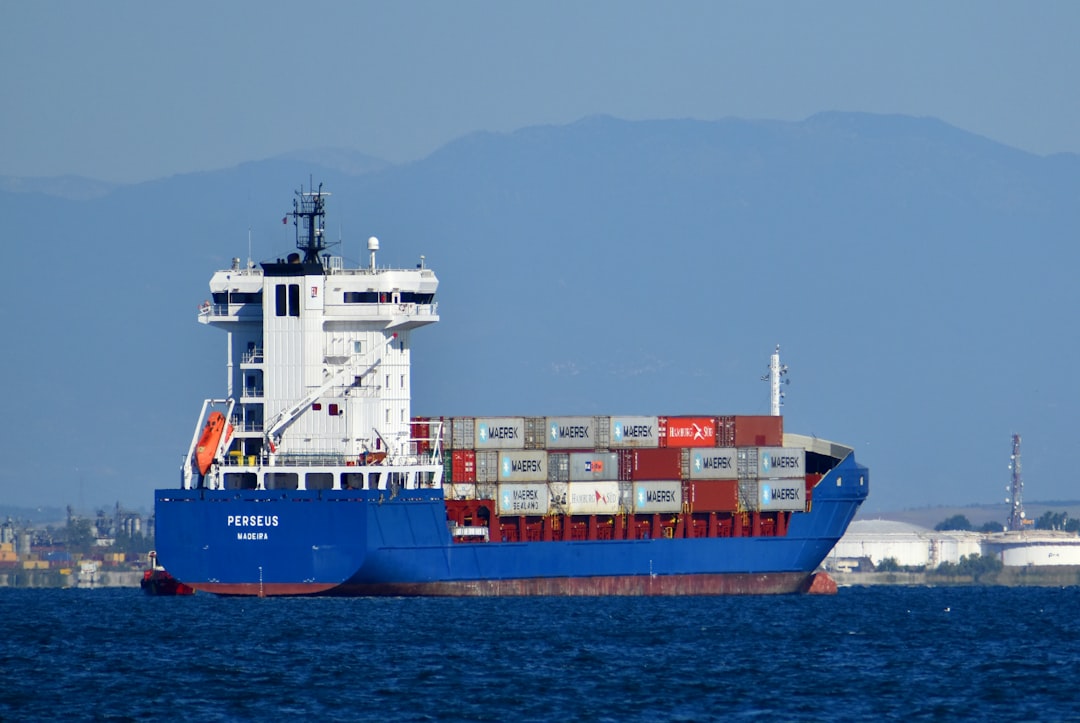
Overview of Cordless Brushless Impact Wrenches Shipping Dynamics to/from Italy
The trade of high-performance power tools, specifically cordless brushless impact wrenches (HS Code 8467.29), into the Italian market is a sophisticated operation requiring strict adherence to European Union safety and customs regulations. As of June 2026, the logistics landscape for this commodity is heavily influenced by early peak-season demand and ongoing geopolitical tensions affecting Mediterranean shipping routes.
Market Demand and Product Classification
Cordless brushless impact wrenches fall under the broader category of electromechanical hand-held tools. Because these tools utilize lithium-ion battery technology, they are classified as Dangerous Goods (Class 9) for international transport. Importers must ensure that all shipments comply with UN3481 regulations (lithium batteries contained in equipment) to avoid customs holds and safety-related transit delays.
The Italian Import Environment
Italy remains a critical hub for European industrial and construction tool distribution. Importers must be prepared for a 22% VAT rate and potential import duties. Furthermore, the mandatory use of the EORI (Economic Operator Registration and Identification) number is non-negotiable for all non-EU entities importing into the Italian customs territory.
In-Depth Analysis of MSC / Hapag-Lloyd & Container Capacity
The shipping market in 2026 is dominated by the strategic capacity management of major carriers like MSC and Hapag-Lloyd. As these carriers navigate the post-alliance landscape, their operational focus has shifted toward standalone loops and service reliability.
Carrier Capacity and Service Reliability
MSC, currently the world's largest container carrier, continues to leverage its massive fleet (exceeding 7.2 million TEUs) to maintain dominance in the Mediterranean trade. Hapag-Lloyd, while maintaining a more conservative growth strategy, remains a vital partner for European trade lanes. Both carriers have been actively adjusting their service rotations to mitigate the impact of the ongoing closure of the Strait of Hormuz, which has forced longer transit times and increased fuel surcharges.
Strategic Carrier Selection
For shippers moving power tools, selecting between MSC and Hapag-Lloyd often comes down to specific port-to-port transit times and equipment availability. Given the current "early peak season" surge, booking space at least 3–4 weeks in advance is highly recommended to secure allocation on preferred loops.
Ocean Freight Rates & Cost Optimization for HS Code 8467.29
Ocean freight rates have experienced significant upward pressure in June 2026, driven by a combination of early peak season demand and the necessity for carriers to recover costs associated with longer transit routes around the Cape of Good Hope.
| Route | Current Trend (June 2026) | Estimated Rate Impact |
|---|---|---|
| Asia to Genoa (40ft Container) | Rising (Early Peak Season) | +20% to +25% vs. May 2026 |
| Contract vs. Spot Rates | Gap Narrowing | High volatility in spot market |
Cost Optimization Strategies
- Consolidation: Utilize LCL (Less than Container Load) if volume does not justify a full 40ft container, though be mindful of the higher per-unit handling costs.
- Advance Booking: Avoid the "spot market trap" by securing long-term contract rates, which are currently more stable than the rapidly fluctuating spot rates.
- Documentation Accuracy: Ensure the HS Code 8467.29 is clearly stated on all commercial invoices to prevent customs re-classification and potential fines.
Port Container Tracking & Congestion at Port of Genoa
The Port of Genoa is currently navigating a complex operational environment. While it remains a primary gateway for Northern Italy, maintenance works and regional labor dynamics are impacting throughput efficiency.
Current Congestion Status
As of early June 2026, the Port of Genoa is experiencing moderate congestion. While not as severe as some global hubs, shippers should account for potential delays in inland distribution due to ongoing rail maintenance between Milan and Genoa (scheduled through September 2026).
Tracking and Visibility
Real-time container tracking is essential. Shippers are advised to utilize carrier-provided portals (MSC/Hapag-Lloyd) or third-party visibility tools to monitor vessel arrival times and gate-out status. Proactive communication with local drayage providers is critical to ensure that once the container is cleared, it can be moved out of the terminal promptly to avoid storage fees.
Global Logistics Optimization & Supply Chain Strategies
To maintain competitiveness in the power tool market, supply chain managers must move beyond reactive logistics and embrace a strategy of resilience and visibility.
Inventory Buffering
Given the unpredictability of transit times in the current geopolitical climate, maintaining a "safety stock" of high-demand impact wrenches in local Italian warehouses is a prudent strategy to mitigate the risk of stockouts during peak season disruptions.
Regulatory Compliance
Compliance is a competitive advantage. Ensure that your lithium-ion battery documentation (MSDS/UN38.3 test reports) is readily available for customs officials. Failure to provide these documents can lead to significant delays and, in some cases, the seizure of goods.
Executive Summary & Future Outlook
The outlook for the remainder of 2026 suggests continued volatility in ocean freight rates and a persistent need for supply chain agility. For importers of cordless brushless impact wrenches, success will depend on three pillars: precise HS code classification, proactive capacity booking with carriers like MSC and Hapag-Lloyd, and a robust strategy for navigating Italian customs and inland logistics.
Key Takeaways
- Monitor Rates: Expect continued upward pressure on spot rates throughout June and July.
- Plan for Delays: Factor in at least 5–7 days of additional buffer time for port-to-door delivery in Italy due to infrastructure maintenance.
- Safety First: Prioritize lithium-ion battery compliance to avoid severe customs penalties.
Sources & References
Drewry Maritime Research - World Container Index
Maersk Europe Market Update (June 2026)
Hapag-Lloyd Customer Advisories
Autorità di Sistema Portuale del Mar Ligure Occidentale
- Shipping Pneumatic Air Cylinders to the Port of Valencia, Spain
- Shipping Semiconductor Microchips (HS 854231) to the Port of Montreal
- Shipping Tomato Paste Cans (HS 200290) to the Port of Gothenburg, Sweden
- Shipping SPC Vinyl Click Flooring to the Port of Antwerp-Bruges
- Shipping True Wireless Earbuds (HS 8517.62) to the Port of Alexandria, Egypt
- Shipping Semiconductor Microchips (HS 854231) to the Port of Sines, Portugal
- Shipping Centrifugal Water Pumps to the Port of San Antonio, Chile
- Shipping Digital Signage Monitors to the Port of Trieste, Italy
- Shipping Printed Circuit Boards (PCB) to Egypt via Port of Said
- Optimizing Logistics for Solid State Drives (SSD) Imports to the Port of Chittagong, Bangladesh