
 0 Visitors
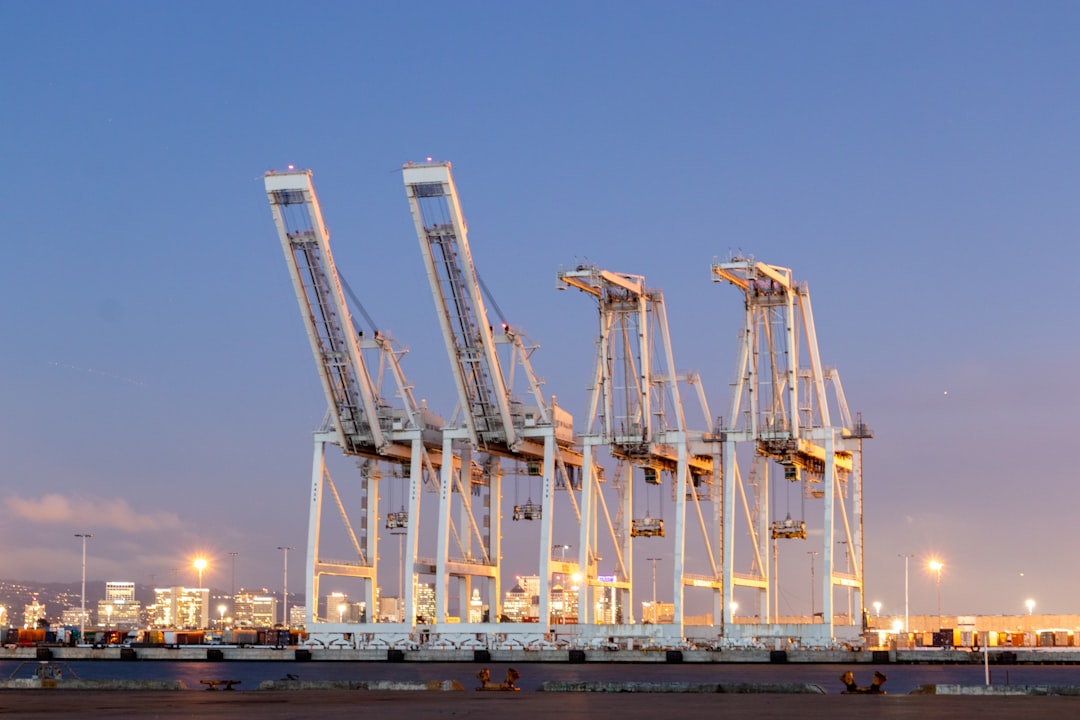
As the global demand for sustainable products rises, the export of eco-friendly wooden toys (HS Code 9503.00) to Brazil has become a significant trade lane. However, navigating the Brazilian import landscape requires precision, particularly regarding customs compliance and port-side logistics at the Port of Paranaguá.
Overview of Eco-Friendly Wooden Toys Shipping Dynamics to/from Brazil
Market Demand and Sustainability Trends
The Brazilian market is increasingly receptive to high-quality, non-toxic, and sustainable wooden toys. Classified under HS Code 9503.00, these products are subject to stringent safety standards. Exporters must ensure that their products are not only environmentally friendly but also fully compliant with Brazilian safety regulations to avoid rejection at the border.
Regulatory Compliance for Toy Imports
Importing toys into Brazil is a highly regulated process. All toys must undergo compulsory certification by INMETRO (National Institute of Metrology, Standardization and Industrial Quality). Failure to provide the necessary conformity stamps or Portuguese labeling will result in severe customs delays, detention, or mandatory re-exportation of the goods.
In-Depth Analysis of Maersk / MSC & Container Capacity
Carrier Services at Paranaguá
Both Maersk and MSC maintain a robust presence at the Port of Paranaguá, providing critical connectivity for global shippers. These carriers offer multiple weekly services that link the port to major hubs in Asia, Europe, and North America. Shippers should leverage the established "TCP" (Terminal de Contêineres de Paranaguá) infrastructure, which is one of the most efficient terminals in the region.
Capacity and Infrastructure Investments
Recent data indicates that Maersk has expanded its footprint in Paranaguá by investing in new inland container depots to support the growing demand for integrated logistics. These facilities, which include expanded space for dry and reefer containers, are designed to reduce dwell times and improve truck flow, providing a significant advantage for exporters managing time-sensitive toy shipments.
Ocean Freight Rates & Cost Optimization for HS Code 9503.00
Freight Rate Volatility and Seasonality
Ocean freight rates for the Brazil trade lane are subject to seasonal fluctuations, particularly around the Lunar New Year and peak agricultural export seasons. While specific rates fluctuate based on carrier capacity and bunker adjustment factors (BAF), shippers should focus on long-term service agreements to mitigate spot market volatility.
| Factor | Impact on Cost | Optimization Strategy |
|---|---|---|
| Seasonality (Pre-CNY) | High | Book space 4-6 weeks in advance. |
| Compliance (INMETRO) | High (Hidden) | Ensure pre-shipment documentation is perfect. |
| Port Handling (TCP) | Moderate | Utilize integrated depot services to reduce dwell. |
Port Container Tracking & Congestion at Port of Paranaguá
Current Congestion Status
As of June 2026, the Port of Paranaguá maintains a relatively stable operational environment, though it remains sensitive to vessel bunching. Recent reports suggest average vessel waiting times are manageable, typically ranging from 1 to 3 days, depending on the specific service window. Shippers are advised to monitor real-time port updates to anticipate potential delays.
Tracking and Visibility
Utilizing carrier-provided tracking tools (Maersk/MSC portals) is essential. Because Paranaguá is a critical hub for both containerized goods and agricultural bulk, container gate-in deadlines are strictly enforced. Missing a cutoff can lead to significant "rolling" of cargo, which is particularly costly for consumer goods like toys.
Global Logistics Optimization & Supply Chain Strategies
Phytosanitary and Packaging Requirements
A critical, often overlooked aspect of shipping to Brazil is the ISPM-15 compliance for wood packaging. Even if your toys are eco-friendly, the pallets or dunnage used to secure them must be treated and certified. You must declare the status of all wooden packaging on the Bill of Lading (e.g., "Wooden Package: Treated and Certified") to avoid heavy fines and customs holds.
Strategic Recommendations
- Pre-Clearance: Engage with a local Brazilian customs broker early to ensure INMETRO documentation is ready before the vessel arrives.
- Integrated Logistics: Utilize the inland depot services offered by carriers like Maersk to buffer against port-side congestion.
- Documentation Accuracy: Ensure the Bill of Lading explicitly states the wooden packing status to comply with MAPA (Ministry of Agriculture) regulations.
Executive Summary & Future Outlook
Sources & References
Portos do Paraná Official Data | Maersk Brazil Logistics Updates | MAPA (Ministry of Agriculture) Regulations | INMETRO Certification Standards
- Shipping Pneumatic Air Cylinders to the Port of Valencia, Spain
- Shipping Semiconductor Microchips (HS 854231) to the Port of Montreal
- Shipping Tomato Paste Cans (HS 200290) to the Port of Gothenburg, Sweden
- Shipping SPC Vinyl Click Flooring to the Port of Antwerp-Bruges
- Shipping True Wireless Earbuds (HS 8517.62) to the Port of Alexandria, Egypt
- Shipping Semiconductor Microchips (HS 854231) to the Port of Sines, Portugal
- Shipping Centrifugal Water Pumps to the Port of San Antonio, Chile
- Shipping Digital Signage Monitors to the Port of Trieste, Italy
- Shipping Printed Circuit Boards (PCB) to Egypt via Port of Said
- Optimizing Logistics for Solid State Drives (SSD) Imports to the Port of Chittagong, Bangladesh