
 401 Visitors
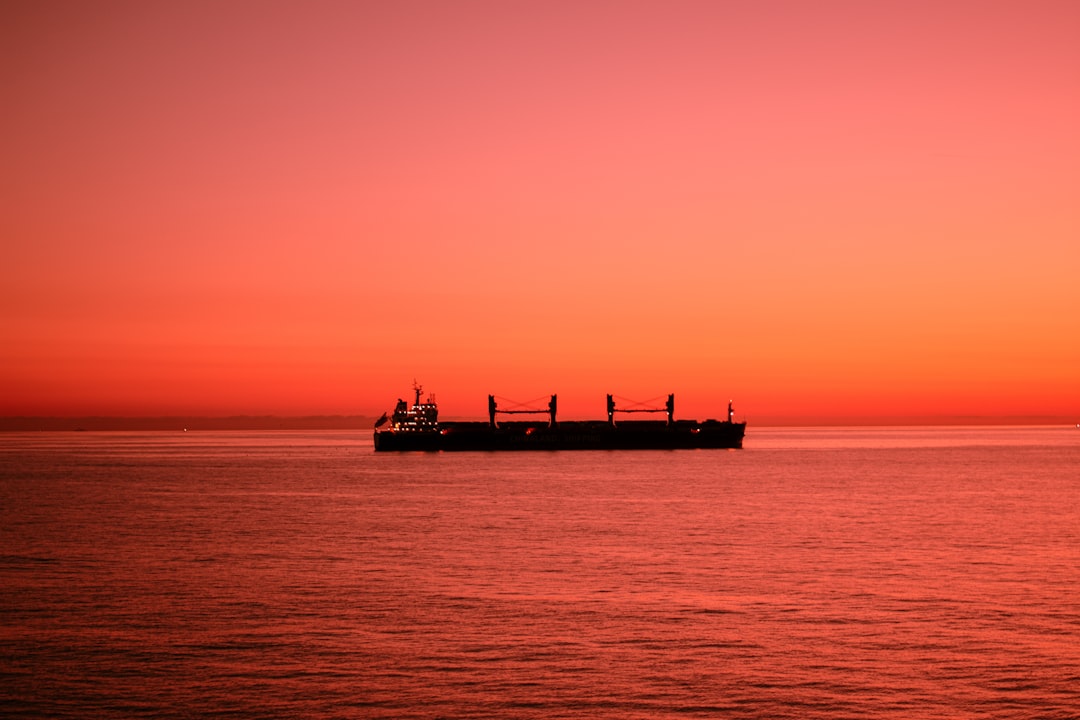
Overview of Frozen Headless Shell-On Shrimps Shipping Dynamics to/from Japan
Market Context for HS Code 030617
The import of frozen headless shell-on shrimps, classified under HS Code 030617, represents a significant segment of Japan's seafood trade. As a high-value perishable commodity, this product requires a sophisticated cold chain infrastructure. Japan maintains rigorous food safety standards under the Food Sanitation Act, necessitating precise documentation, including health certificates and compliance with HACCP (Hazard Analysis and Critical Control Points) protocols.
Cold Chain Integrity Requirements
Maintaining the quality of frozen shrimp during transit is paramount. Shippers must utilize refrigerated containers (reefers) with strict temperature monitoring. Given the sensitivity of the product, any disruption in the cold chain—whether due to port delays or improper storage—can lead to significant financial loss and regulatory rejection at the Japanese border.
In-Depth Analysis of Maersk / MSC & Container Capacity
Carrier Capabilities in the Japanese Market
Both Maersk and MSC maintain a robust presence in Japan, offering extensive connectivity to the Port of Yokohama. These carriers provide specialized reefer services essential for the shrimp trade. Their integrated logistics networks allow for seamless transitions from ocean freight to inland distribution, which is critical for maintaining the cold chain integrity of frozen seafood.
Service Reliability and Infrastructure
Maersk and MSC operate dedicated terminals and inland service points across Japan, including the Maersk Yokohama Terminal. Their digital platforms provide real-time visibility, allowing importers to track container temperatures and location status, which is vital for managing the shelf-life of frozen aquatic products.
Ocean Freight Rates & Cost Optimization for HS Code 030617
Understanding Freight Rate Components
Ocean freight rates for 2026 are influenced by a combination of base freight, Bunker Adjustment Factors (BAF), and seasonal surcharges. For refrigerated cargo, shippers must also account for reefer-specific surcharges and potential electricity costs during terminal dwell times.
Cost Optimization Strategies
| Cost Component | Optimization Strategy |
|---|---|
| Base Ocean Freight | Leverage long-term contracts for consistent volumes to mitigate spot rate volatility. |
| Reefer Surcharges | Optimize container utilization to maximize the value per TEU. |
| Terminal Handling Charges | Coordinate closely with local brokers to minimize dwell time at the Port of Yokohama. |
Port Container Tracking & Congestion at Port of Yokohama
Current Congestion Metrics
As of early June 2026, the Port of Yokohama is operating with a low congestion index. Median vessel waiting times are reported at approximately 0.08 to 1.25 days, indicating a relatively stable operational environment. This is a positive indicator for importers of time-sensitive goods like frozen shrimp.
Monitoring and Mitigation
While current conditions are favorable, shippers should utilize real-time port tracking tools to monitor for "vessel bunching" or labor-related slowdowns. Proactive communication with terminal operators and freight forwarders remains the best defense against unforeseen delays.
Global Logistics Optimization & Supply Chain Strategies
Strategic Recommendations for Importers
- Digital Integration: Utilize carrier-provided digital platforms for end-to-end visibility of reefer containers.
- Compliance Readiness: Ensure all health certificates and import permits are pre-cleared to avoid customs-related delays at the Port of Yokohama.
- Cold Chain Partnerships: Partner with logistics providers that specialize in Japanese cold chain distribution to ensure seamless last-mile delivery.
- Buffer Stock Management: While port congestion is currently low, maintain a strategic buffer of inventory to account for potential global supply chain disruptions.
Executive Summary & Future Outlook
Summary of Findings
The import of frozen headless shell-on shrimps (HS 030617) into Japan via the Port of Yokohama remains a stable but high-stakes operation. With current low port congestion and reliable service from major carriers like Maersk and MSC, the primary focus for importers should be on maintaining strict cold chain compliance and navigating the regulatory landscape of the Japanese Food Sanitation Act.
Future Outlook
As we move into the second half of 2026, shippers should prepare for potential seasonal volatility in freight rates. By focusing on long-term carrier partnerships and leveraging digital tracking tools, businesses can effectively manage costs and ensure the quality of their seafood imports.
Sources & References
Maersk Japan Logistics Services
MSC Global Network & Japan Port Services
JETRO: Guidebook for Export to Japan (Food Articles)
Portcast: Real-time Port Congestion Data
- Shipping Pneumatic Air Cylinders to the Port of Valencia, Spain
- Shipping Semiconductor Microchips (HS 854231) to the Port of Montreal
- Shipping Tomato Paste Cans (HS 200290) to the Port of Gothenburg, Sweden
- Shipping SPC Vinyl Click Flooring to the Port of Antwerp-Bruges
- Shipping True Wireless Earbuds (HS 8517.62) to the Port of Alexandria, Egypt
- Shipping Semiconductor Microchips (HS 854231) to the Port of Sines, Portugal
- Shipping Centrifugal Water Pumps to the Port of San Antonio, Chile
- Shipping Digital Signage Monitors to the Port of Trieste, Italy
- Shipping Printed Circuit Boards (PCB) to Egypt via Port of Said
- Optimizing Logistics for Solid State Drives (SSD) Imports to the Port of Chittagong, Bangladesh