
 360 Visitors
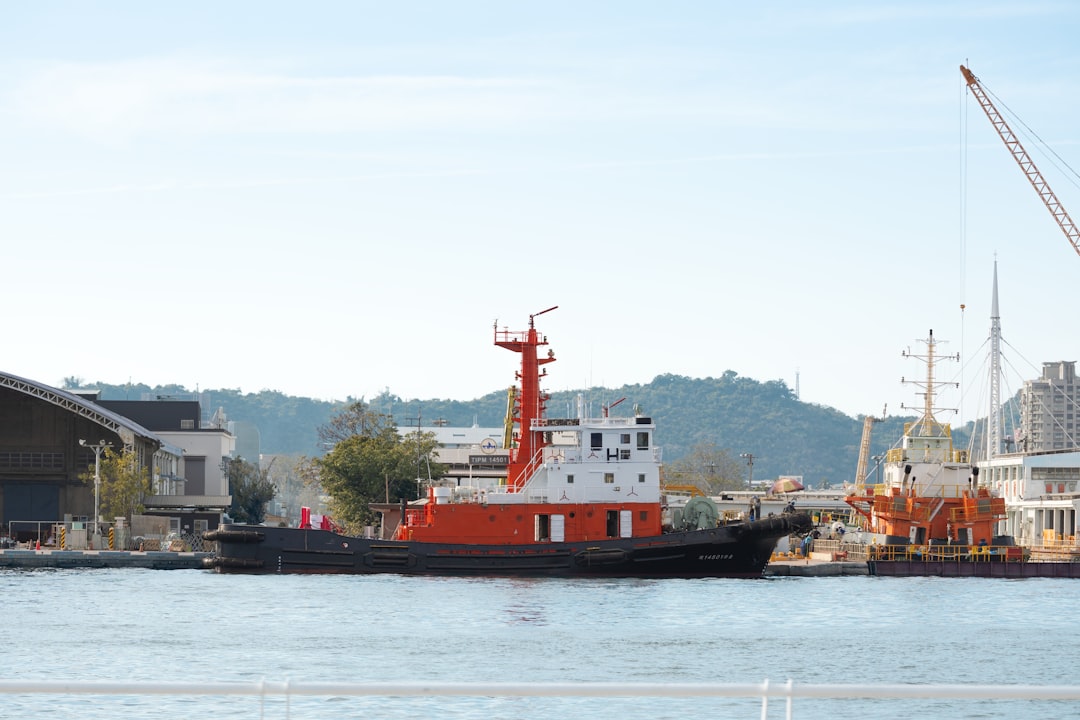
Overview of Insulin Glargine Shipping Dynamics to/from the Dominican Republic
The Critical Nature of Cold Chain Integrity
Shipping pharmaceutical products like Insulin Glargine (HS Code 300431) requires a rigorous, validated cold chain strategy. Insulin is a highly temperature-sensitive biological product that must be maintained strictly between 2°C and 8°C (36°F to 46°F) throughout the entire transit process. Exposure to temperatures outside this range—specifically above 30°C or below 0°C—can degrade the protein chains, rendering the medication ineffective and potentially dangerous to patients.
Regulatory Landscape for Pharmaceutical Imports
Importing pharmaceuticals into the Dominican Republic is strictly regulated by the Ministry of Public Health. All products must have a valid Sanitary Register. Furthermore, as a participant in the CAFTA-DR agreement, exporters from the United States may qualify for preferential tariff treatment, provided they supply accurate documentation, including a Certificate of Origin and a detailed commercial invoice.
In-Depth Analysis of CMA CGM & Hapag-Lloyd Container Capacity
Carrier Capabilities in the Caribbean
Major carriers like CMA CGM and Hapag-Lloyd are the primary operators serving the Port of Caucedo. These lines provide robust, weekly fixed-day services connecting the Dominican Republic to global hubs in Europe, the US East Coast, and Asia. CMA CGM, in particular, utilizes a dedicated feeder network through regional hubs like Kingston and Cartagena to ensure consistent connectivity for the Caribbean market.
Reefer Capacity and Vessel Reliability
For temperature-sensitive cargo, both carriers offer advanced refrigerated container (reefer) services. These vessels are equipped with high-performance reefer plugs and real-time monitoring technology, which is essential for maintaining the integrity of insulin shipments. Shippers should verify the specific reefer capacity of the vessel assigned to their route to ensure adequate power supply and monitoring capabilities.
Ocean Freight Rates & Cost Optimization for HS Code 300431
Market Trends in 2026
The 2026 ocean freight market is characterized by significant vessel overcapacity, creating a "buyer's market" on many trade lanes. While spot rates have corrected significantly from their historical peaks, cold chain logistics remain a premium service due to the specialized equipment and monitoring required. Freight rates for reefer containers are generally more stable than dry van rates but are subject to fuel surcharges and seasonal demand fluctuations.
Cost Optimization Strategies
| Strategy | Impact on Cost | Logistics Benefit |
|---|---|---|
| Consolidation | High | Reduces per-unit cost for smaller pharmaceutical shipments. |
| Contracted Rates | Medium | Provides price stability against spot market volatility. |
| Direct Routing | Low | Minimizes handling and transit time, reducing spoilage risk. |
Port Container Tracking & Congestion at Port of Caucedo
Modern Infrastructure and Efficiency
The Port of Caucedo, operated by DP World, is the most modern container terminal in the Dominican Republic. It handles approximately 30% of the nation's maritime cargo and is strategically located near Las Americas International Airport, facilitating seamless multimodal logistics. The terminal features 1,450 reefer plugs, ensuring that temperature-controlled cargo is managed with high priority.
Real-Time Tracking and Visibility
Shippers can utilize the digital platforms provided by CMA CGM and Hapag-Lloyd to track containers in real-time. Given the sensitivity of Insulin Glargine, it is recommended to utilize IoT-enabled tracking devices inside the container to monitor temperature and location independently of carrier updates. The port's 24/7 operations and integration with the Zona Logística de Caucedo further minimize dwell times, which is critical for cold chain products.
Global Logistics Optimization & Supply Chain Strategies
Best Practices for Cold Chain Resilience
- Validated Packaging: Use high-quality insulated shippers with phase-change materials (PCM) to provide a secondary layer of protection against temperature excursions.
- Data Logging: Always include calibrated data loggers in the shipment to provide a verifiable audit trail of the temperature profile during transit.
- Partner Coordination: Maintain close communication with your freight forwarder and the carrier’s local office in the Dominican Republic to ensure priority handling upon arrival.
Executive Summary & Future Outlook
Strategic Takeaways
Shipping Insulin Glargine to the Dominican Republic is a manageable process when supported by strong carrier partnerships and a rigorous adherence to cold chain protocols. While the 2026 shipping market offers favorable pricing due to vessel overcapacity, the complexity of pharmaceutical logistics requires a focus on reliability over cost-cutting. By leveraging the modern infrastructure at the Port of Caucedo and maintaining strict temperature controls, companies can ensure the safe and efficient delivery of life-saving medication.
Sources & References
DP World Caucedo Terminal Operations | CMA CGM Shipping Schedules | Hapag-Lloyd Logistics Solutions | Dominican General Customs Directorate (DGA)
- Shipping Pneumatic Air Cylinders to the Port of Valencia, Spain
- Shipping Semiconductor Microchips (HS 854231) to the Port of Montreal
- Shipping Tomato Paste Cans (HS 200290) to the Port of Gothenburg, Sweden
- Shipping SPC Vinyl Click Flooring to the Port of Antwerp-Bruges
- Shipping True Wireless Earbuds (HS 8517.62) to the Port of Alexandria, Egypt
- Shipping Semiconductor Microchips (HS 854231) to the Port of Sines, Portugal
- Shipping Centrifugal Water Pumps to the Port of San Antonio, Chile
- Shipping Digital Signage Monitors to the Port of Trieste, Italy
- Shipping Printed Circuit Boards (PCB) to Egypt via Port of Said
- Optimizing Logistics for Solid State Drives (SSD) Imports to the Port of Chittagong, Bangladesh