
 343 Visitors
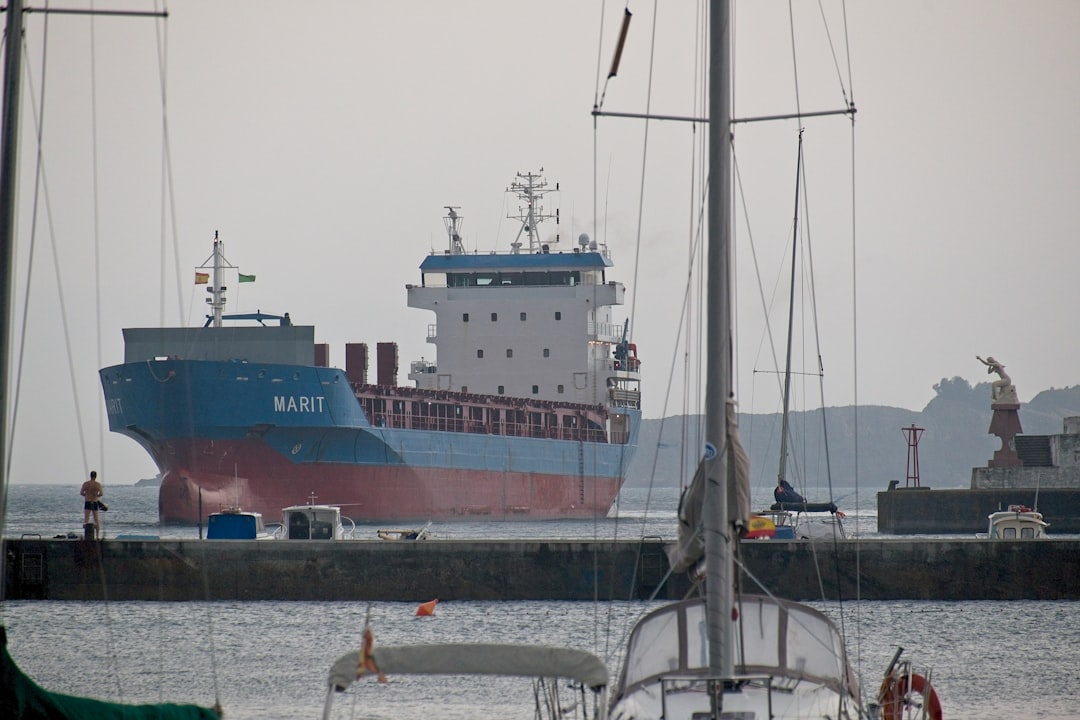
Overview of Hydraulic Gear Pumps Shipping Dynamics to/from Egypt
Hydraulic gear pumps, classified under HS Code 841360, are critical components in industrial fluid power systems. As Egypt continues to modernize its industrial infrastructure under the Vision 2030 initiative, the demand for high-precision mechanical components remains robust. Shipping these items requires meticulous attention to both mechanical protection and regulatory compliance.
Mechanical Integrity and Packaging
Given their precision-machined internal components, hydraulic gear pumps are highly susceptible to damage from vibration, shock, and moisture during maritime transit. Shippers must ensure that these units are immobilized within crates and protected against corrosion, especially when transiting through humid maritime environments.
Regulatory and Customs Compliance
Importing industrial machinery into Egypt necessitates strict adherence to the Advance Cargo Information Declaration (ACID) system. Failure to register shipments via the Nafeza platform prior to arrival can lead to significant delays and storage penalties. Ensure all technical documentation, including ISO 9001 certifications and detailed packing lists, is prepared in advance.
In-Depth Analysis of Suez Canal Hub Operations & Container Capacity
The Suez Canal remains the most vital artery for global trade, and its status as a hub for major shipping lines directly impacts the flow of goods into the Port of Said. As of June 2026, the maritime landscape is characterized by a cautious return to normalcy following prolonged regional security disruptions.
The "Hub Port" Strategic Advantage
Port of Said serves as a critical transshipment point. Major carriers like Maersk and CMA CGM have been adjusting their networks to optimize connectivity between North Europe, the Mediterranean, and Egypt. The recent launch of specialized services, such as the Baltic Sea-SLA service, underscores the port's growing importance in direct routing, which reduces reliance on complex, multi-leg transshipments.
Capacity and Fleet Management
While global container capacity is seeing a structural increase due to new vessel deliveries, the "Red Sea factor" continues to influence how carriers deploy their fleets. Shippers should monitor carrier announcements regarding "blank sailings" and capacity reallocations, as these directly affect space availability for industrial cargo.
Ocean Freight Rates & Cost Optimization for HS Code 841360
Ocean freight rates for industrial machinery are currently influenced by a mix of overcapacity in the global fleet and the lingering costs of security-related rerouting. While spot rates have stabilized compared to the peak volatility of 2024-2025, they remain structurally higher than pre-disruption averages.
Comparative Freight Rate Trends (Estimated)
| Route Segment | Estimated Rate Trend (2026) | Primary Cost Driver |
|---|---|---|
| Asia to Port of Said | Moderate/Stable | Fuel surcharges & Suez transit fees |
| Europe to Port of Said | Competitive | New direct service competition |
Cost Optimization Strategies
- Consolidation: Utilize Less-than-Container Load (LCL) services if shipment volumes are small to avoid the high costs of underutilized Full Container Load (FCL) units.
- Advance Booking: Secure space at least 3-4 weeks in advance to avoid last-minute spot rate premiums.
- Incoterms Optimization: Evaluate whether CIF or FOB terms provide better control over local Egyptian handling costs.
Port Container Tracking & Congestion at Port of Said
Port of Said currently maintains a relatively efficient operational profile compared to other regional hubs. However, shippers must remain vigilant regarding yard density and gate turnaround times.
Current Congestion Metrics
As of late May/early June 2026, the median waiting time for vessels at Port of Said is approximately 0.08 days, indicating a "low" congestion status. This is a positive indicator for supply chain reliability compared to the multi-day delays seen at other regional terminals.
Visibility and Tracking
Global Logistics Optimization & Supply Chain Strategies
Navigating the Egyptian logistics market requires a blend of digital integration and local expertise. The shift toward digital customs clearance has significantly reduced manual bottlenecks, but the "last mile" remains a complex environment.
Strategic Recommendations
- Diversify Transport Providers: Do not rely on a single freight forwarder; maintain relationships with multiple providers to ensure backup options during peak demand.
- Invest in Local Partnerships: Partner with local Egyptian logistics firms that have established relationships with port authorities and customs brokers to navigate regulatory nuances.
- Buffer Inventory: Given the inherent volatility in global shipping, maintain a 15-20% buffer of critical hydraulic components in local warehouses to mitigate potential transit delays.
Executive Summary & Future Outlook
The outlook for shipping hydraulic gear pumps to Egypt is one of cautious optimism. While the global shipping industry is navigating a transition period marked by overcapacity and shifting route strategies, the Port of Said remains a stable and efficient gateway. By focusing on ACID compliance, proactive tracking, and strategic inventory management, businesses can effectively mitigate the risks of the current maritime environment.
Sources & References
- Shipping Pneumatic Air Cylinders to the Port of Valencia, Spain
- Shipping Semiconductor Microchips (HS 854231) to the Port of Montreal
- Shipping Tomato Paste Cans (HS 200290) to the Port of Gothenburg, Sweden
- Shipping SPC Vinyl Click Flooring to the Port of Antwerp-Bruges
- Shipping True Wireless Earbuds (HS 8517.62) to the Port of Alexandria, Egypt
- Shipping Semiconductor Microchips (HS 854231) to the Port of Sines, Portugal
- Shipping Centrifugal Water Pumps to the Port of San Antonio, Chile
- Shipping Digital Signage Monitors to the Port of Trieste, Italy
- Shipping Printed Circuit Boards (PCB) to Egypt via Port of Said
- Optimizing Logistics for Solid State Drives (SSD) Imports to the Port of Chittagong, Bangladesh