
 418 Visitors
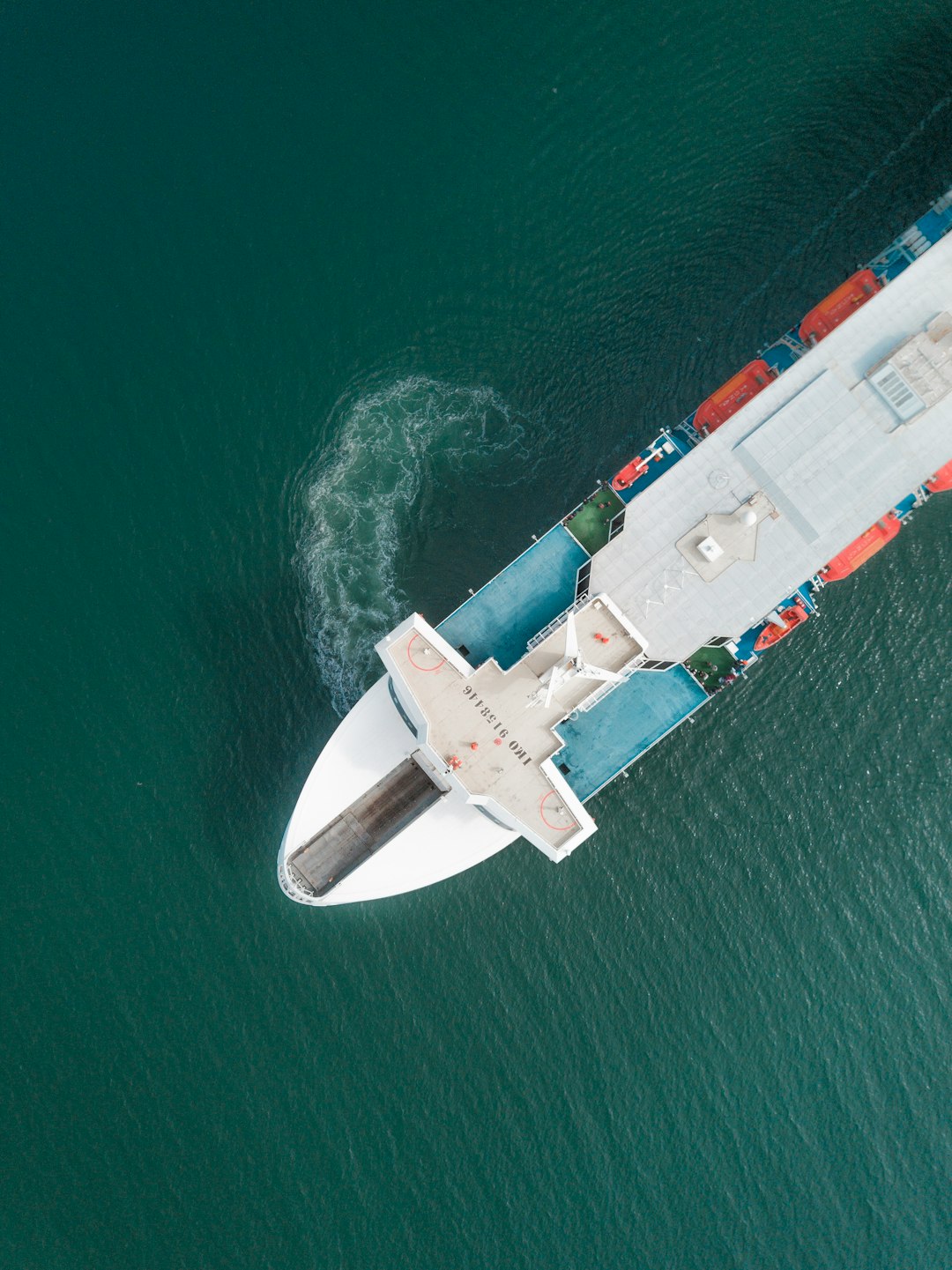
Overview of Frozen Atlantic Salmon Shipping Dynamics to/from Italy
Market Requirements and Regulatory Compliance
Importing frozen Atlantic salmon (HS Code 0303.13) into Italy requires strict adherence to European Union food safety and veterinary regulations. As a member of the EU, Italy mandates that all seafood imports be accompanied by a health certificate issued by the competent authority in the exporting country. The product must originate from an EU-approved facility and be processed in a HACCP-certified environment. Failure to provide accurate documentation, including the Catch Certificate (per EU IUU Regulation), can lead to immediate rejection at the Border Inspection Post (PIF).
Cold Chain Integrity
Maintaining the cold chain is non-negotiable. Frozen salmon must be kept at a constant temperature of -18°C or lower throughout the entire transit. Importers should mandate the use of data loggers within the reefer container to provide a verifiable temperature history upon arrival at the Port of Genoa.
In-Depth Analysis of MSC / Hapag-Lloyd & Container Capacity
Carrier Specialization in Reefer Logistics
Both MSC and Hapag-Lloyd are dominant players in the Mediterranean reefer trade. MSC provides extensive global coverage with specialized "Cold Chain" solutions, offering end-to-end support including pre-trip inspections and food-grade container preparation. Hapag-Lloyd maintains a modern fleet of refrigerated containers, including units with "ExtraFresh Plus" technology, which is highly beneficial for maintaining the quality of sensitive perishable goods during long-haul transit.
Capacity and Equipment Availability
While both carriers have significant reefer capacity, availability in the Mediterranean can fluctuate based on seasonal demand and global equipment imbalances. It is recommended to secure bookings at least 3–4 weeks in advance, particularly during peak holiday seasons when demand for premium seafood in Italy spikes.
Ocean Freight Rates & Cost Optimization for HS Code 0303.13
Understanding Freight Cost Drivers
Ocean freight rates for reefer containers are significantly higher than standard dry containers due to energy costs, specialized equipment maintenance, and the "Reefer Connection/Electricity" (RCO) surcharges at ports. Rates are currently volatile, influenced by fuel surcharges (BAF) and the specific trade lane origin.
| Cost Component | Description | Impact on Total Landed Cost |
|---|---|---|
| Ocean Freight (Base) | Port-to-port transit cost | High |
| RCO Surcharge | Reefer power connection at port | Moderate |
| BAF (Fuel) | Fluctuating fuel adjustment factor | High |
| Customs/Handling | Documentation and inspection fees | Low to Moderate |
Port Container Tracking & Congestion at Port of Genoa
Current Operational Status
As of June 2026, the Port of Genoa continues to experience periods of high yard density and intermittent congestion. Operational efficiency can be impacted by labor actions, weather-related disruptions, and inland rail connectivity issues. Average vessel waiting times have been reported in the range of 1.5 to 2 days, though this can spike during peak periods.
Mitigation Strategies
- Real-Time Tracking: Utilize the carrier’s digital portals (myMSC or Hapag-Lloyd’s online tracking) to monitor vessel arrival and terminal gate status.
- Buffer Planning: Factor in an additional 48–72 hours of buffer time for inland transport, as rail and truck slots at the Port of Genoa can be constrained by terminal congestion.
Global Logistics Optimization & Supply Chain Strategies
Optimizing the Last Mile
The "last mile" from the Port of Genoa to the final cold storage facility is a critical point of failure. Ensure that your customs broker has pre-cleared the documentation to avoid "in-bond" delays. If the cargo is destined for northern Italy or beyond, consider intermodal rail options to bypass road congestion, provided the rail connection is not currently experiencing service interruptions.
Risk Management
Executive Summary & Future Outlook
Key Takeaways for Importers
Importing frozen Atlantic salmon into Italy is a high-stakes operation that demands precision. By partnering with experienced carriers like MSC or Hapag-Lloyd, maintaining strict cold chain documentation, and proactively monitoring the congestion levels at the Port of Genoa, importers can mitigate risks. The outlook for 2026 suggests continued volatility in freight rates and port operations, making agility and early planning the cornerstones of a successful supply chain strategy.
Sources & References
MSC Global Seafood Logistics
Hapag-Lloyd Reefer Services & Local Info
U.S. Department of Commerce - Italy Import Requirements
Maersk Europe Market Updates (June 2026)
- Shipping Pneumatic Air Cylinders to the Port of Valencia, Spain
- Shipping Semiconductor Microchips (HS 854231) to the Port of Montreal
- Shipping Tomato Paste Cans (HS 200290) to the Port of Gothenburg, Sweden
- Shipping SPC Vinyl Click Flooring to the Port of Antwerp-Bruges
- Shipping True Wireless Earbuds (HS 8517.62) to the Port of Alexandria, Egypt
- Shipping Semiconductor Microchips (HS 854231) to the Port of Sines, Portugal
- Shipping Centrifugal Water Pumps to the Port of San Antonio, Chile
- Shipping Digital Signage Monitors to the Port of Trieste, Italy
- Shipping Printed Circuit Boards (PCB) to Egypt via Port of Said
- Optimizing Logistics for Solid State Drives (SSD) Imports to the Port of Chittagong, Bangladesh