
 330 Visitors
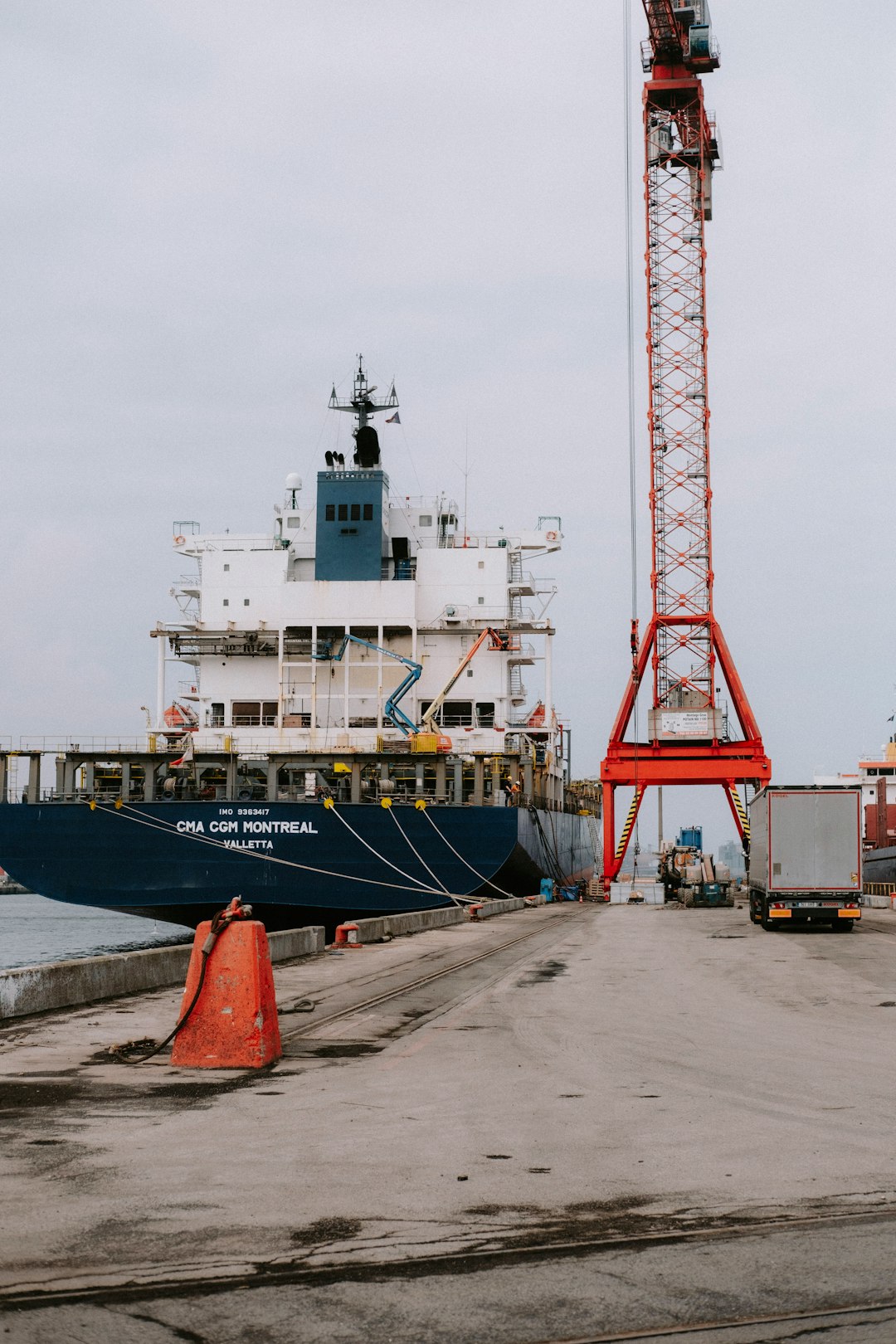
1. Overview of IPX7 Action Camera Shipping Dynamics to Algeria
Shipping high-value consumer electronics like IPX7 waterproof action cameras (HS Code 852589) to Algeria requires a sophisticated understanding of both international maritime logistics and strict local customs compliance. As Algeria continues to modernize its trade infrastructure, importers must navigate a regulatory environment that prioritizes local economic protection and rigorous documentation standards.
Regulatory Compliance for HS Code 852589
Action cameras fall under the broader category of optical/digital recording devices. Importers must ensure that all shipments are accompanied by a valid certificate of conformity and quality. Given the "commercial nature" of such goods, they are subject to standard import duties and taxes, unlike personal effects which may benefit from flat-rate tax exemptions under specific thresholds.
Documentation Essentials
To avoid clearance delays at the Port of Algiers, ensure your customs file includes a bank domiciliation, a valid trade registration, a tax card, and a detailed itemized list of contents. Failure to provide these documents within 21 days of registration can lead to significant storage fees or cargo seizure.
2. In-Depth Analysis of CMA CGM / Tarros & Container Capacity
CMA CGM remains a dominant force in the Algerian trade lane, offering extensive connectivity through its dedicated Algerian offices and logistics platforms. The partnership or service alignment with regional specialists like Tarros enhances the frequency of short-sea shipping options within the Mediterranean basin.
Service Reliability and Routing
CMA CGM operates multiple direct services connecting major global hubs to Algerian ports. For electronics, the carrier provides "CMA CGM+" value-added services, which include cargo insurance and specialized container management, crucial for protecting sensitive electronic equipment from humidity and handling risks.
Capacity Management
Carriers are currently managing capacity through strategic blank sailings and vessel reallocations to mitigate the impact of Mediterranean congestion. Shippers should prioritize booking well in advance, as the "SSLMED" and similar regional services are often subject to schedule adjustments based on port performance.
3. Ocean Freight Rates & Cost Optimization for HS Code 852589
Freight rates for the Algeria trade lane have remained elevated throughout the first half of 2026 due to fuel surcharges and operational complexities. As of June 2026, carriers have announced further rate adjustments for North African destinations.
| Route/Service | Container Size | Estimated FAK Rate (USD) | Validity Period |
|---|---|---|---|
| Far East to Algeria | 20' Dry Van | $6,200 | June 2026 |
| Far East to Algeria | 40' Dry Van/HC | $8,900 - $9,200 | June 2026 |
Note: Rates are indicative Freight All Kinds (FAK) and are subject to surcharges including GFS (Global Fuel Surcharge), ECA (Emission Control Area), and carbon-related fees.
Cost Optimization Strategies
- Consolidation: Utilize LCL (Less than Container Load) if volume does not justify a full 20ft container to minimize per-unit shipping costs.
- Contract vs. Spot: Given the volatility, consider index-linked contracts for long-term stability, while keeping a portion of volume for spot bookings to leverage potential market dips.
4. Port Container Tracking & Congestion at Port of Algiers
The Port of Algiers is the primary gateway for Algerian imports, but it is susceptible to periodic congestion. Recent data indicates that vessel waiting times have fluctuated between 2 to 5 days, occasionally forcing carriers to divert cargo to alternative ports like Djen-Djen to maintain schedule integrity.
Monitoring Real-Time Status
Shippers are advised to utilize the "My CMA CGM" portal or third-party port congestion trackers to monitor vessel arrival times. Because congestion can lead to "omitted calls," having a contingency plan for inland drayage from alternative ports is a best practice.
Mitigating Delay Risks
Ensure that your customs agent is proactive. Since the port authority may move cargo to storage if documentation is incomplete, having a local representative on the ground in Algiers is essential for rapid clearance once the vessel berths.
5. Global Logistics Optimization & Supply Chain Strategies
Optimizing the supply chain for consumer electronics requires a balance between speed and cost. For high-value items like action cameras, security and climate control during transit are paramount.
Strategic Recommendations
Leveraging Technology
Implement end-to-end visibility tools that provide real-time GPS tracking and temperature/humidity monitoring for your containers. This is particularly important for IPX7-rated electronics, where exposure to extreme moisture during sea transit could compromise packaging integrity.
6. Executive Summary & Future Outlook
The Algerian market for consumer electronics remains robust, but the logistics landscape is defined by high freight costs and port-level volatility. Success in 2026 depends on:
- Proactive Documentation: Strict adherence to Algerian customs requirements.
- Carrier Flexibility: Working with carriers like CMA CGM that offer deep local expertise.
- Contingency Planning: Preparing for potential diversions to secondary ports like Djen-Djen.
As we move into the second half of 2026, shippers should expect continued rate sensitivity. Maintaining a flexible, data-driven approach to booking and customs clearance will be the key to maintaining a competitive edge in the Algerian market.
Sources & References
- Shipping Pneumatic Air Cylinders to the Port of Valencia, Spain
- Shipping Semiconductor Microchips (HS 854231) to the Port of Montreal
- Shipping Tomato Paste Cans (HS 200290) to the Port of Gothenburg, Sweden
- Shipping SPC Vinyl Click Flooring to the Port of Antwerp-Bruges
- Shipping True Wireless Earbuds (HS 8517.62) to the Port of Alexandria, Egypt
- Shipping Semiconductor Microchips (HS 854231) to the Port of Sines, Portugal
- Shipping Centrifugal Water Pumps to the Port of San Antonio, Chile
- Shipping Digital Signage Monitors to the Port of Trieste, Italy
- Shipping Printed Circuit Boards (PCB) to Egypt via Port of Said
- Optimizing Logistics for Solid State Drives (SSD) Imports to the Port of Chittagong, Bangladesh