
 474 Visitors
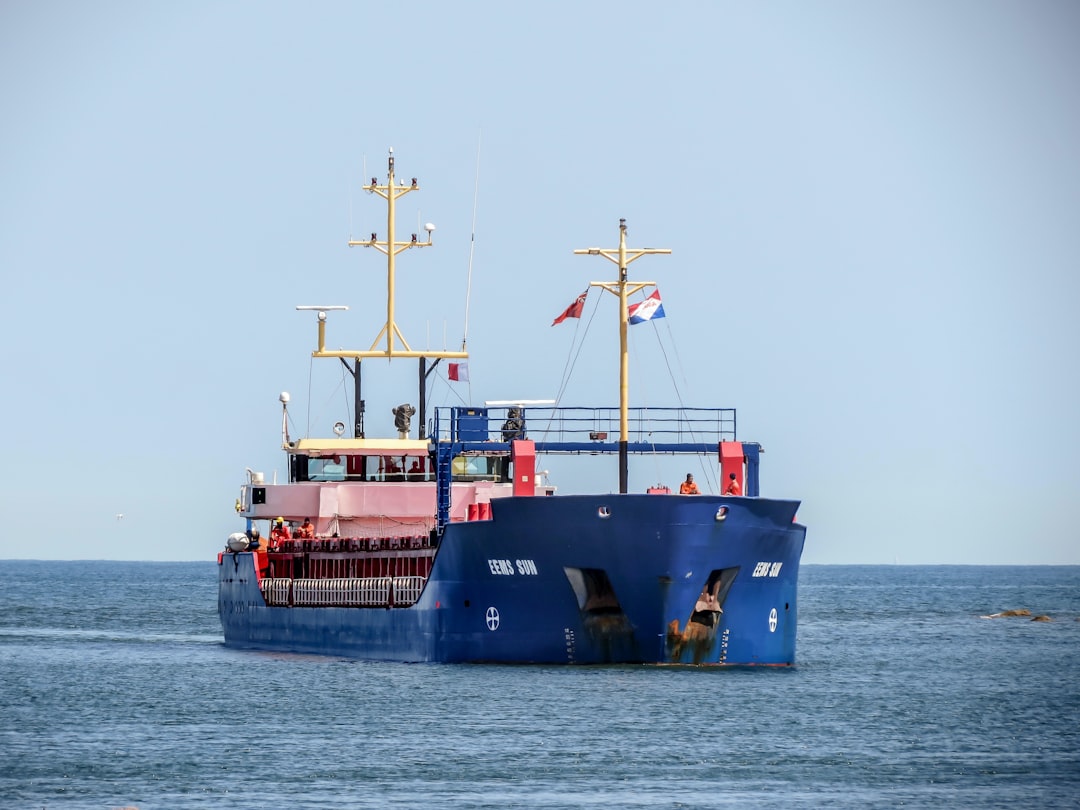
Overview of 3D Printer Filaments Shipping Dynamics to/from Russia
Shipping specialized industrial materials like 3D printer filaments (HS Code 391690) to the Port of St. Petersburg has become a high-complexity operation in 2026. The geopolitical landscape has fundamentally altered traditional trade routes, shifting the focus from standard commercial logistics to a corridor-driven model characterized by strict compliance, dual-use screening, and reliance on regional feeder networks.
The Impact of Sanctions on Specialized Cargo
3D printer filaments, while often considered general plastic monofilaments, are subject to rigorous scrutiny due to their potential "dual-use" application in additive manufacturing. Customs authorities and shipping lines now require extensive end-user certificates and detailed product descriptions to ensure compliance with evolving export control regulations.
Shifting Trade Corridors
With major global carriers having largely suspended direct services to Russian ports since 2022, the market has transitioned toward niche regional feeders and transshipment hubs. Shippers must now navigate a fragmented supply chain where reliability is often prioritized over cost-efficiency.
In-Depth Analysis of Main Shipping Line & Container Capacity
The landscape for carriers serving St. Petersburg is currently defined by a "market purge" of major global lines. While Mediterranean Shipping Company (MSC) has maintained a presence in the region, operations are strictly limited and highly scrutinized.
MSC's Role and Operational Constraints
MSC continues to facilitate limited services to Russian ports, primarily focusing on essential goods. However, the company operates under strict adherence to international sanctions. Recent reports indicate that MSC has even expanded its feeder network in the Baltic region, such as shuttle services between Klaipeda and St. Petersburg, to maintain connectivity despite the withdrawal of other major players.
The Threat of New Regulatory Barriers
New draft decrees in Russia are further complicating the environment by proposing that foreign container lines can only call at Russian ports if the operator is registered under Russian law with majority domestic ownership. This creates a precarious environment for any international carrier, forcing shippers to rely on smaller, local feeder operators that may lack the capacity and transparency of global giants.
Ocean Freight Rates & Cost Optimization for HS Code 391690
Freight rates for shipments to St. Petersburg are currently highly volatile and do not follow standard global market trends. Because of the high risk and limited carrier availability, shippers should expect a significant premium compared to pre-2022 rates.
| Route Segment | Market Status (2026) | Cost Drivers |
|---|---|---|
| Asia to Baltic Hubs (e.g., Klaipeda) | Competitive/Stable | Global overcapacity, fuel surcharges |
| Baltic Hub to St. Petersburg (Feeder) | High Premium | Sanction risk, insurance, limited capacity |
| Direct International to St. Petersburg | Extremely Limited | Regulatory compliance, carrier withdrawal |
Optimizing for HS 391690
To optimize costs, shippers must ensure perfect documentation. Any discrepancy in the HS code or product description can lead to extended dwell times in bonded warehouses, where daily storage fees can quickly eclipse the initial freight savings.
Port Container Tracking & Congestion at Port of St. Petersburg
Congestion at the Port of St. Petersburg is no longer just a matter of vessel traffic; it is a matter of administrative and compliance bottlenecks. Real-time tracking is essential to mitigate the risks of "stuck" cargo.
Visibility Challenges
While AIS-based vessel tracking remains accurate for monitoring ship arrivals, container-level visibility is often obscured by the reliance on third-party feeder operators. Shippers are encouraged to use integrated logistics platforms that combine carrier data with terminal-level updates to monitor "Last Free Day" status and potential customs holds.
Managing Dwell Times
Given the current environment, it is common for cargo to face additional screening. Proactive communication with local customs brokers in St. Petersburg is the most effective way to reduce dwell times and avoid the high costs associated with terminal storage.
Global Logistics Optimization & Supply Chain Strategies
In 2026, the most successful supply chain managers are those who treat their logistics as a "living system" rather than a fixed route.
- Diversify Corridors: Always maintain a fallback route, such as rail or road transit through neighboring countries, in case sea-feeder services are disrupted by new sanctions.
- Documentation Drills: Conduct regular audits of your Bill of Lading and invoice data. Ensure that the "end-user" information is transparent and verifiable to satisfy both export and import compliance teams.
- Flexible Incoterms: Use Incoterms that clearly define responsibility for customs clearance and potential cargo detention, protecting your firm from unforeseen costs during transit.
Executive Summary & Future Outlook
The outlook for shipping 3D printer filaments to St. Petersburg remains challenging. With the potential for further EU sanctions and internal Russian regulatory shifts, the market is expected to remain volatile throughout the remainder of 2026.
Key Takeaways for Decision Makers
Shippers must prioritize compliance and flexibility. The era of "set-it-and-forget-it" shipping is over; today’s logistics require active management, rigorous documentation, and a deep understanding of the geopolitical risks affecting the Baltic maritime corridor.
Sources & References
- Shipping Pneumatic Air Cylinders to the Port of Valencia, Spain
- Shipping Semiconductor Microchips (HS 854231) to the Port of Montreal
- Shipping Tomato Paste Cans (HS 200290) to the Port of Gothenburg, Sweden
- Shipping SPC Vinyl Click Flooring to the Port of Antwerp-Bruges
- Shipping True Wireless Earbuds (HS 8517.62) to the Port of Alexandria, Egypt
- Shipping Semiconductor Microchips (HS 854231) to the Port of Sines, Portugal
- Shipping Centrifugal Water Pumps to the Port of San Antonio, Chile
- Shipping Digital Signage Monitors to the Port of Trieste, Italy
- Shipping Printed Circuit Boards (PCB) to Egypt via Port of Said
- Optimizing Logistics for Solid State Drives (SSD) Imports to the Port of Chittagong, Bangladesh