
 441 Visitors
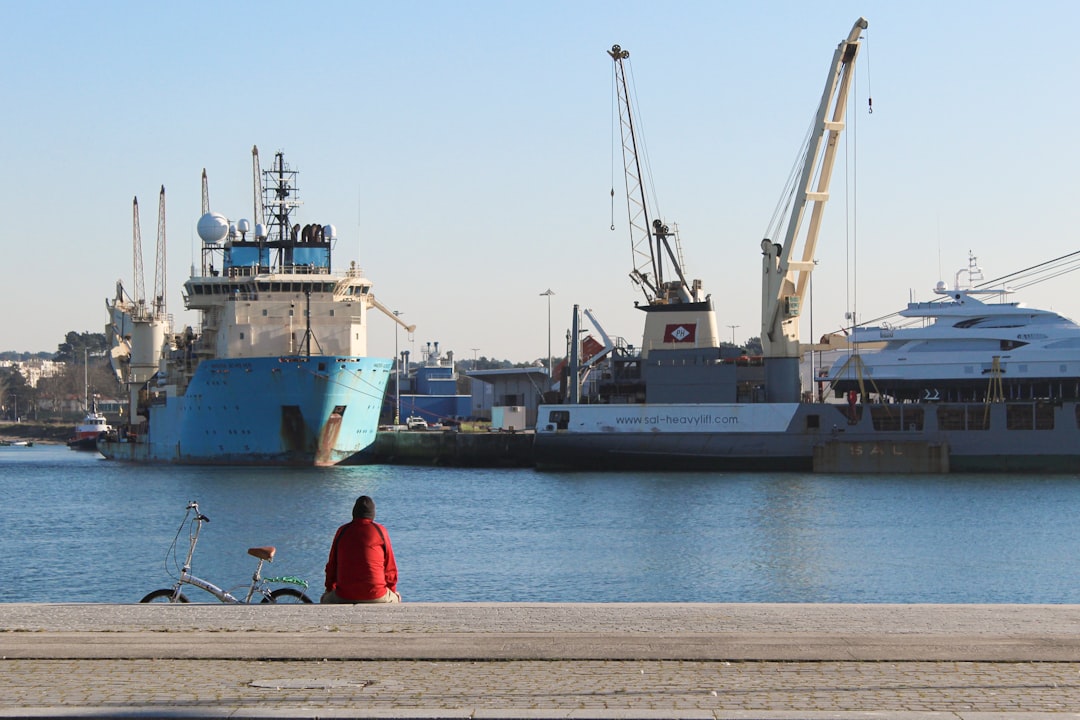
Overview of Stainless Steel Fasteners Shipping Dynamics to Nigeria
Market Context for HS Code 731815
Stainless steel fasteners, classified under HS Code 731815, represent a critical industrial import for Nigeria’s manufacturing and construction sectors. As the country pushes toward its $1 trillion economy vision by 2030, the demand for high-quality, corrosion-resistant hardware remains robust. Importers must navigate a complex regulatory environment, including mandatory electronic documentation via the NICIS II platform and strict adherence to the Pre-Arrival Assessment Report (PAAR) process.
Regulatory Compliance and Documentation
All shipments of fasteners to Nigeria must be accompanied by a valid Form M, processed through a Central Bank of Nigeria (CBN)-approved bank. Failure to comply with the digital-only documentation mandate or the specific palletization requirements for containerized cargo can lead to significant customs delays, fines, or seizure of goods.
In-Depth Analysis of Maersk, Grimaldi, and MSC Container Capacity
Carrier Operational Profiles
The Nigerian market is primarily served by global giants Maersk, MSC, and Grimaldi. Each carrier offers distinct advantages for industrial cargo:
- Maersk: Provides extensive local expertise with offices in Lagos, Kano, and Port Harcourt, offering integrated logistics solutions and digital booking platforms for real-time visibility.
- MSC: Recently solidified its long-term commitment to Nigeria through a 45-year sub-concession agreement with Nigerdock at Snake Island Port, signaling a massive increase in future container handling capacity.
- Grimaldi: Remains a dominant force in Roll-on/Roll-off (RoRo) and containerized cargo, particularly through the Port and Terminal Multiservices Limited (PTML) terminal.
Capacity Management Strategies
Carriers are currently managing vessel capacity through strategic blank sailings and vessel reallocation to mitigate the impact of global route disruptions. Importers should note that these lines are under regulatory pressure to improve the evacuation of empty containers, which has historically contributed to port corridor gridlock.
Ocean Freight Rates & Cost Optimization for HS Code 731815
Current Freight Rate Environment
As of late June 2026, global ocean freight rates are experiencing upward pressure due to an early onset of the peak season. While specific rates for the West African trade lane fluctuate based on origin, importers should anticipate surcharges related to fuel volatility and port congestion.
| Cost Component | Status/Trend | Impact on Fastener Imports |
|---|---|---|
| Base Ocean Freight | Rising (Peak Season) | Increased landed cost per unit. |
| Bunker Adjustment Factor (BAF) | Volatile | Frequent, unpredictable monthly adjustments. |
| Port Congestion Surcharges | High | Added costs due to vessel waiting times. |
Optimization Strategies
To optimize costs, importers should leverage index-linked contracts where possible and consider consolidating smaller shipments to maximize container utilization. Utilizing the Lekki Deep Sea Port, where available, can offer direct freight savings of approximately $300 per FEU by bypassing regional transshipment hubs.
Port Container Tracking & Congestion at Port of Lagos (Apapa/Tin Can)
Current Congestion Status
The Port of Lagos (Apapa and Tin Can Island) is currently experiencing severe vessel congestion, with recent reports indicating over 18 vessels at outer anchorage and average waiting times exceeding nine days. This bottleneck is exacerbated by infrastructure challenges and illegal checkpoints along the port access corridors.
Mitigation and Task Force Interventions
In response, the Nigerian Ports Authority (NPA) has launched a multi-agency task force to clear the port corridors of illegal checkpoints and extortion points. While these efforts aim to restore efficiency, importers should factor in a "buffer" of 10–15 days for cargo evacuation beyond standard transit times.
Global Logistics Optimization & Supply Chain Strategies
Building Resilience
Digital Integration
Leverage digital freight-matching platforms and the National Single Window (NSW) initiative to streamline documentation. Reducing manual intervention in the clearance process is the most effective way to avoid the "hidden costs" of port congestion, such as demurrage and detention fees.
Executive Summary & Future Outlook
Key Takeaways
- Market Outlook: Expect continued volatility in 2026, driven by global demand shifts and local infrastructure constraints.
- Operational Focus: Prioritize compliance with NICIS II and Form M to prevent clearance bottlenecks.
- Infrastructure: Monitor the development of the new MSC-backed terminal at Snake Island, which will significantly alter capacity dynamics by 2028.
Sources & References
Maersk Nigeria Local Information | Nigerian Ports Authority (NPA) Updates | Freightos Baltic Index (Market Trends) | Valuehandlers Logistics Analysis 2026
- Shipping Pneumatic Air Cylinders to the Port of Valencia, Spain
- Shipping Semiconductor Microchips (HS 854231) to the Port of Montreal
- Shipping Tomato Paste Cans (HS 200290) to the Port of Gothenburg, Sweden
- Shipping SPC Vinyl Click Flooring to the Port of Antwerp-Bruges
- Shipping True Wireless Earbuds (HS 8517.62) to the Port of Alexandria, Egypt
- Shipping Semiconductor Microchips (HS 854231) to the Port of Sines, Portugal
- Shipping Centrifugal Water Pumps to the Port of San Antonio, Chile
- Shipping Digital Signage Monitors to the Port of Trieste, Italy
- Shipping Printed Circuit Boards (PCB) to Egypt via Port of Said
- Optimizing Logistics for Solid State Drives (SSD) Imports to the Port of Chittagong, Bangladesh