
 606 Visitors
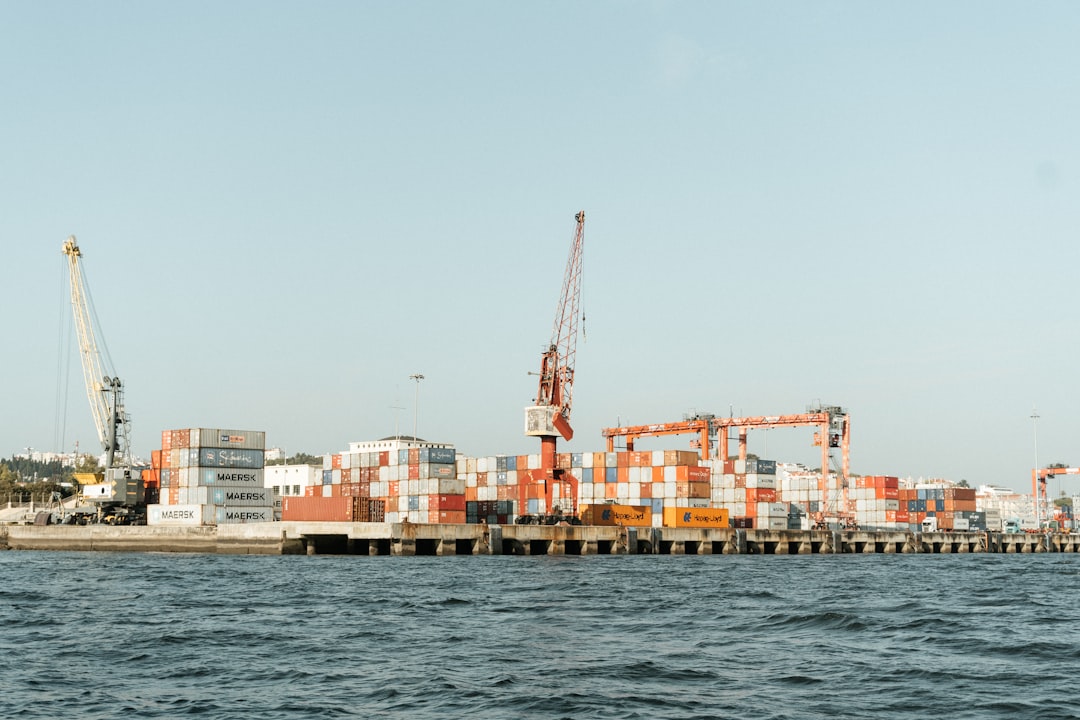
Overview of Vitamin C Supplements Shipping Dynamics to/from Mexico
The importation of Vitamin C supplements (HS Code 2936.27) into Mexico has become a strategic focal point for global pharmaceutical and nutraceutical companies. As Mexico strengthens its position as a regional manufacturing and distribution hub, the demand for high-quality raw materials and finished supplements has surged. Shipping these sensitive products requires a deep understanding of both maritime logistics and stringent regulatory compliance.
Regulatory Landscape for Pharmaceutical Imports
Vitamin C (Ascorbic Acid) imports are subject to strict oversight by Mexican regulatory bodies, primarily COFEPRIS. Importers must ensure that all documentation, including certificates of analysis and origin, is in perfect order to avoid customs delays. Compliance with NOM-059-SSA1-2015 (Good Manufacturing Practices) is mandatory for products intended for human consumption.
Market Trends and Nearshoring Impact
The "nearshoring" trend has significantly increased the volume of containerized cargo moving through Pacific ports. While Manzanillo has historically been the primary gateway, the Port of Lazaro Cardenas has emerged as a critical, high-capacity alternative, offering advanced automation and deep-water berths that accommodate the largest container vessels in the global fleet.
In-Depth Analysis of Maersk / ONE & Container Capacity
Major carriers like Maersk and Ocean Network Express (ONE) provide robust connectivity between Asian manufacturing hubs and the Port of Lazaro Cardenas. These carriers leverage specialized services, such as the Far East-Latin America Express (FLX) and various West Coast Central America (WCCA) routes, to maintain consistent transit times.
Carrier Service Reliability
Maersk and ONE have integrated advanced digital tracking and inland logistics solutions in Mexico. By utilizing their proprietary inland services, shippers can coordinate seamless transitions from the port to final distribution centers in Mexico City or the Bajío industrial region, reducing the risk of dwell-time penalties.
Container Capacity and Equipment Availability
With ongoing terminal expansions—including significant investments by APM Terminals—Lazaro Cardenas now boasts a capacity exceeding 2 million TEUs annually. Shippers of Vitamin C supplements should prioritize booking "Food Grade" or "Pharma Grade" containers well in advance to ensure equipment cleanliness and integrity.
Ocean Freight Rates & Cost Optimization for HS Code 2936.27
Freight rates for HS Code 2936.27 are influenced by global fuel surcharges, vessel capacity utilization, and seasonal demand. While specific rates fluctuate based on the point of origin (e.g., Shanghai vs. Busan), optimizing costs requires a multi-faceted approach.
Historical vs. Current Freight Rate Trends
| Metric | Historical Trend (2025) | Current Status (June 2026) |
|---|---|---|
| Average Transit Time (Asia to Lazaro Cardenas) | 35–45 Days | 30–40 Days (Optimized) |
| Port Congestion Index | Moderate/High | Low (Median wait ~0.29 days) |
| Rate Volatility | High | Stable to Moderate |
Cost Optimization Strategies
- Advance Booking: Secure space at least 4–6 weeks prior to the desired departure date.
- Inland Synergy: Utilize rail-linked services (e.g., CPKC) from Lazaro Cardenas to bypass expensive and congested trucking corridors.
- Consolidation: For smaller shipments, utilize LCL (Less than Container Load) services to reduce per-unit shipping costs while maintaining compliance.
Port Container Tracking & Congestion at Port of Lazaro Cardenas
As of June 2026, the Port of Lazaro Cardenas is performing efficiently, with a "low" congestion index. The median vessel waiting time is approximately 0.29 days, making it one of the most reliable entry points for Pacific-bound cargo in Mexico.
Real-Time Visibility
Modern logistics platforms allow for container-level tracking. Shippers should utilize the digital portals provided by Maersk and ONE to monitor real-time vessel status, gate-in deadlines, and customs clearance milestones. This visibility is crucial for managing the shelf-life and temperature requirements of Vitamin C supplements.
Managing Port Bottlenecks
Even with low congestion, "long-tail" delays can occur. Proactive communication with your customs broker and the terminal operator (e.g., APM Terminals) is essential. Ensure that all "Advanced Manifest" submissions are completed before the vessel's arrival to prevent administrative holds.
Global Logistics Optimization & Supply Chain Strategies
Shipping pharmaceutical-grade products requires more than just moving boxes; it requires a commitment to product integrity. Temperature control and security are paramount when moving supplements across international borders.
Cold Chain and Integrity Management
Strategic Partnerships
Partnering with 3PLs that specialize in the Mexican pharmaceutical market can provide a competitive edge. These partners often have established relationships with COFEPRIS and can navigate the complexities of local regulations, ensuring that your products reach the market without unnecessary delays.
Executive Summary & Future Outlook
The outlook for shipping Vitamin C supplements to Mexico via the Port of Lazaro Cardenas remains highly positive. With significant infrastructure investments, low congestion, and strong carrier support from Maersk and ONE, the route is well-positioned to handle the growing demands of the pharmaceutical industry.
Key Takeaways
- Infrastructure: Lazaro Cardenas is a premier, high-capacity port with excellent rail connectivity.
- Efficiency: Current congestion levels are low, providing a reliable alternative to other regional ports.
- Compliance: Strict adherence to COFEPRIS regulations and accurate HS code classification (2936.27) is non-negotiable.
- Technology: Leverage digital tracking and IoT monitoring to ensure product integrity and supply chain visibility.
Sources & References
Portcast: Port Congestion Data (June 2026) | Maersk Mexico Local Information & Schedules | BNamericas: Port of Lazaro Cardenas Investment Updates | HS Code 2936.27 Classification & Tariff Data
- Shipping Pneumatic Air Cylinders to the Port of Valencia, Spain
- Shipping Semiconductor Microchips (HS 854231) to the Port of Montreal
- Shipping Tomato Paste Cans (HS 200290) to the Port of Gothenburg, Sweden
- Shipping SPC Vinyl Click Flooring to the Port of Antwerp-Bruges
- Shipping True Wireless Earbuds (HS 8517.62) to the Port of Alexandria, Egypt
- Shipping Semiconductor Microchips (HS 854231) to the Port of Sines, Portugal
- Shipping Centrifugal Water Pumps to the Port of San Antonio, Chile
- Shipping Digital Signage Monitors to the Port of Trieste, Italy
- Shipping Printed Circuit Boards (PCB) to Egypt via Port of Said
- Optimizing Logistics for Solid State Drives (SSD) Imports to the Port of Chittagong, Bangladesh