
 525 Visitors
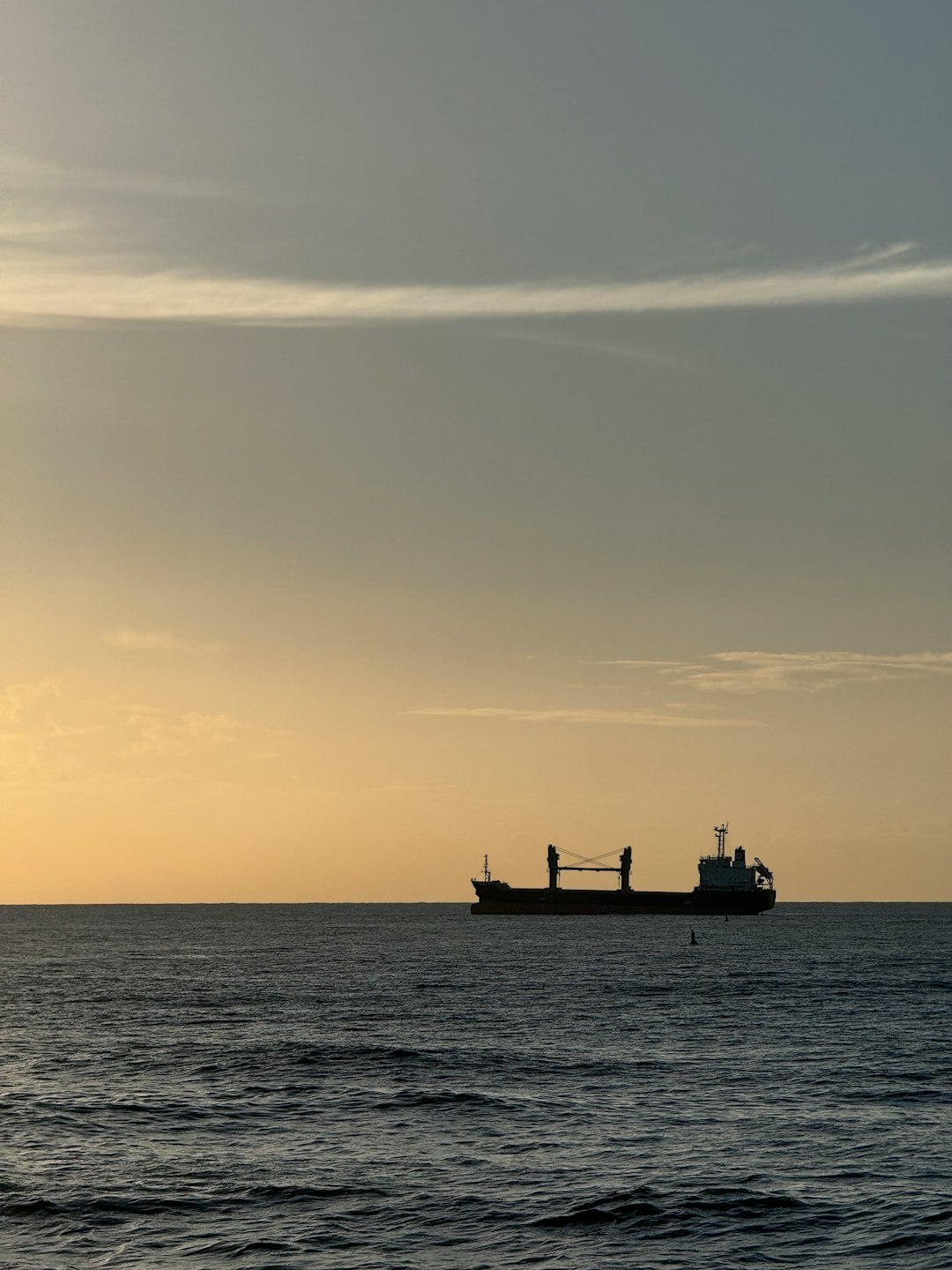
Overview of Smart Dehumidifier Shipping Dynamics to/from United Kingdom
Market Context and Product Classification
Shipping smart dehumidifiers (HS Code Prefix 8415.10) to the United Kingdom requires precise attention to both technical specifications and regulatory compliance. As these units often feature IoT connectivity and integrated climate control, they are frequently classified under heading 8415, which covers air-conditioning machines that regulate temperature and humidity. Ensuring the correct HS code is vital to avoid customs delays and to accurately calculate import duties and VAT upon arrival at the Port of Felixstowe.
The 2026 Logistics Landscape
The UK import market in June 2026 is characterized by an earlier-than-usual peak season. Retailers and distributors are accelerating inventory replenishment, leading to increased pressure on major gateways like Felixstowe. Importers must navigate a complex environment of rising freight rates, carrier-imposed surcharges, and evolving customs data requirements.
In-Depth Analysis of COSCO / Evergreen / OOCL & Container Capacity
Ocean Alliance Performance
The Ocean Alliance, comprising COSCO, Evergreen, and OOCL, remains a dominant force on the Asia–North Europe trade lane. In 2026, the alliance has optimized its network to manage shifting demand, deploying significant TEU capacity to maintain service frequency. However, shippers should note that these carriers are currently managing tight vessel space, which has led to increased instances of blank sailings and stricter booking lead times.
Capacity Management Strategies
COSCO and its partners are actively managing effective capacity to balance profitability with service reliability. For shippers moving goods from Asia to the UK, this means that space protection is no longer guaranteed. It is highly recommended to engage in proactive space allocation and maintain close communication with your freight forwarder to secure slots on these specific lines.
Ocean Freight Rates & Cost Optimization for HS Code 8415.10
Current Freight Rate Trends
As of June 2026, ocean freight rates on the Asia-Europe trade lane are in a strong upward cycle. Carriers have implemented multiple General Rate Increases (GRIs) and Peak Season Surcharges (PSS) to address rising operational costs and strong demand. The following table provides a snapshot of the current cost environment.
| Cost Component | Status (June 2026) | Impact on Shippers |
|---|---|---|
| Base Freight Rates | Rising | Significant increase due to early peak season demand. |
| Peak Season Surcharges (PSS) | Active | $500–$800/TEU additional cost on Asia–UK routes. |
| Emergency Fuel Surcharge | Variable | Reflects bunker cost volatility; monitor monthly updates. |
Optimization Strategies
- Early Booking: Secure space at least 3–4 weeks in advance to avoid last-minute premium pricing.
- Duty Relief Schemes: Investigate UK Customs Warehousing or Inward Processing (IP) relief if the goods are intended for re-export or temporary storage.
- Consolidation: Utilize FCL (Full Container Load) where possible to maximize cost-efficiency per unit.
Port Container Tracking & Congestion at Port of Felixstowe
Current Congestion Metrics
The Port of Felixstowe is currently operating with manageable congestion levels, with median vessel waiting times reported at approximately 0.6 days. While this is relatively stable compared to previous years, the port remains sensitive to weather disruptions and sudden surges in container volume. Real-time tracking is essential for supply chain visibility.
Operational Visibility
Global Logistics Optimization & Supply Chain Strategies
Digitalization and Compliance
The UK customs environment is becoming increasingly digital. From March 2026, companies have gained self-service access to customs declaration data. Ensuring your internal systems are integrated with HMRC’s Customs Declaration Service (CDS) is no longer optional—it is a requirement for maintaining a competitive, compliant supply chain.
Risk Mitigation
- Diversification: Do not rely on a single shipping line; maintain relationships with multiple carriers within the Ocean Alliance.
- Data Accuracy: Double-check HS code classifications (8415.10) and origin documentation to prevent HMRC audits and potential penalties.
- Buffer Planning: Build 5–7 days of buffer time into your supply chain schedule to account for potential port or inland transport delays.
Executive Summary & Future Outlook
Key Takeaways
The shipping landscape for smart dehumidifiers to the UK in mid-2026 is defined by rising costs and an early peak season. Success requires a shift from reactive shipping to proactive, data-driven logistics management. By leveraging the capacity of major carriers like COSCO, Evergreen, and OOCL, while simultaneously optimizing customs compliance and monitoring port-specific congestion, businesses can maintain supply chain resilience.
Sources & References
UK Trade Tariff: Commodity Codes & Duties | Portcast: Global Port Congestion Data | Maersk: Market Updates & Surcharges | OOCL: 2026 Network & Service Updates
- Shipping Pneumatic Air Cylinders to the Port of Valencia, Spain
- Shipping Semiconductor Microchips (HS 854231) to the Port of Montreal
- Shipping Tomato Paste Cans (HS 200290) to the Port of Gothenburg, Sweden
- Shipping SPC Vinyl Click Flooring to the Port of Antwerp-Bruges
- Shipping True Wireless Earbuds (HS 8517.62) to the Port of Alexandria, Egypt
- Shipping Semiconductor Microchips (HS 854231) to the Port of Sines, Portugal
- Shipping Centrifugal Water Pumps to the Port of San Antonio, Chile
- Shipping Digital Signage Monitors to the Port of Trieste, Italy
- Shipping Printed Circuit Boards (PCB) to Egypt via Port of Said
- Optimizing Logistics for Solid State Drives (SSD) Imports to the Port of Chittagong, Bangladesh