
 333 Visitors
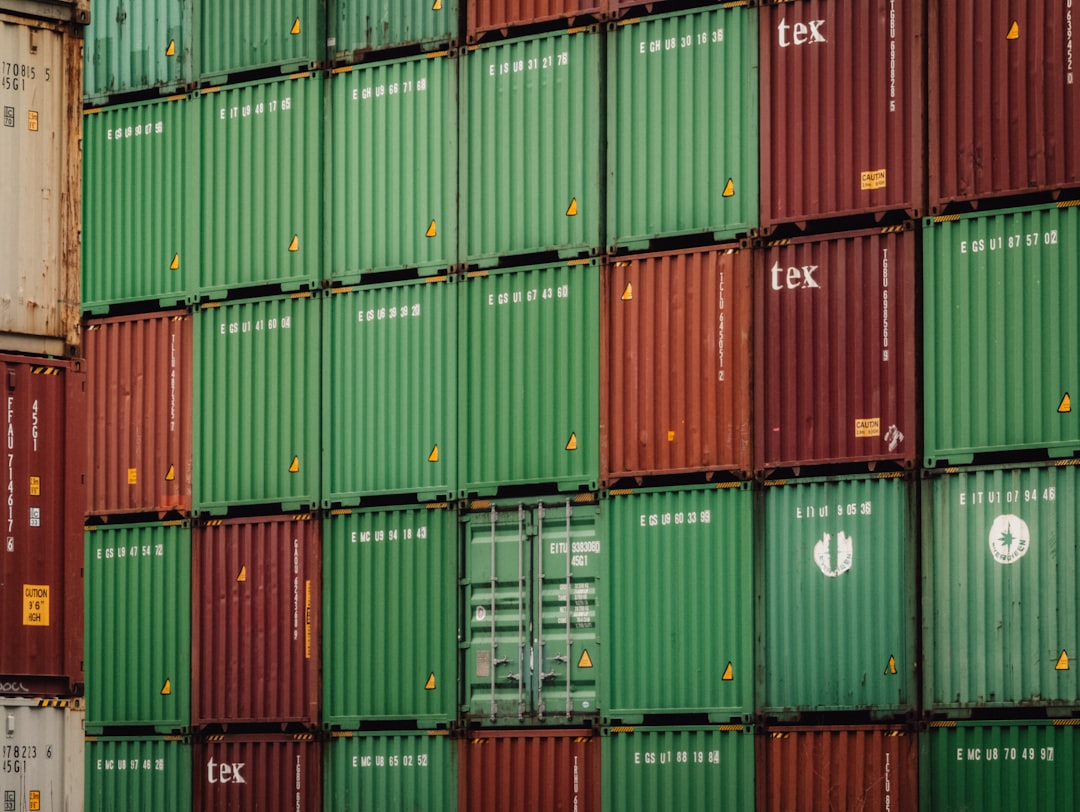
Overview of Biodegradable Packaging Bags Shipping Dynamics to/from Dominican Republic
Market Demand and Sustainability Trends
The Dominican Republic is increasingly positioning itself as a regional manufacturing and logistics hub for the Americas. As global sustainability mandates tighten, the demand for eco-friendly packaging solutions—specifically biodegradable bags classified under HS Code 392321—is rising among local retailers and exporters. This shift is supported by the country's growing integration into global supply chains and a focus on reducing plastic waste.
Regulatory Landscape and Customs Compliance
Importers of biodegradable packaging must ensure compliance with the Dominican General Customs Directorate (Dirección General de Aduanas). While many goods are duty-free under the CAFTA-DR agreement, importers must provide valid certificates of origin to claim preferential tariff treatment. Furthermore, while import licenses are not required for most plastic products, exporters should ensure that their products meet international compostability standards (e.g., ASTM D6400 or EN13432) to satisfy local environmental marketing claims.
In-Depth Analysis of CMA CGM & Hapag-Lloyd Container Capacity
Carrier Network and Service Reliability
Both CMA CGM and Hapag-Lloyd maintain robust service networks connecting the Dominican Republic to global markets. CMA CGM, in particular, leverages its regional hub in Kingston, Jamaica, to optimize connections to the Caribbean, while Hapag-Lloyd utilizes specialized vessels designed for reefer and special cargo, which are often adaptable for high-volume packaging shipments.
Capacity Expansion at Caucedo
The logistics landscape at the Port of Caucedo is undergoing a significant transformation. With recent and ongoing investments—including a major $760 million commitment from DP World and an additional $100 million announced in June 2026—the port is expanding its warehousing and logistics capacity. This expansion is designed to increase container handling throughput from 2.5 million TEUs to approximately 3.1 million TEUs, ensuring that carriers like CMA CGM and Hapag-Lloyd can scale their operations to meet regional demand.
Ocean Freight Rates & Cost Optimization for HS Code 392321
Current Freight Rate Environment
As of mid-2026, the global ocean freight market remains volatile. While rates have moderated from the extreme peaks of 2024, they are subject to frequent adjustments due to geopolitical risks, fuel surcharges, and carrier capacity management. Shippers should anticipate a "new normal" of higher volatility rather than a return to pre-pandemic stability.
Cost Optimization Strategies
Port Container Tracking & Congestion at Port of Caucedo
Real-Time Congestion Metrics
The Port of Caucedo currently maintains a low congestion profile. Recent data indicates a median vessel waiting time of approximately 0.93 days, reflecting the terminal's operational efficiency and ongoing infrastructure investments. This makes it a highly reliable gateway for time-sensitive cargo like packaging materials.
Tracking and Visibility
Modern logistics platforms now offer container-level visibility, allowing shippers to monitor their cargo from the point of origin to the Caucedo terminal. Utilizing these digital tools is essential for proactive supply chain management, especially when coordinating with inland transport providers in the Dominican Republic.
Global Logistics Optimization & Supply Chain Strategies
Leveraging the Caucedo Free Trade Zone
The integration of the Port of Caucedo with its adjacent Free Trade Zone (FTZ) offers a strategic advantage for companies importing packaging bags. By utilizing the FTZ, businesses can defer duties and taxes, manage inventory more effectively, and benefit from streamlined customs processing, which is critical for maintaining a competitive edge in the regional market.
Strategic Recommendations for Shippers
- Diversify Carrier Relationships: Maintain active contracts with both CMA CGM and Hapag-Lloyd to ensure service continuity during network disruptions.
- Digital Integration: Utilize API-based tracking to receive real-time updates on vessel arrivals and gate-out status at Caucedo.
- Compliance Documentation: Ensure all certificates of origin are pre-verified by your Dominican customs broker to avoid delays at the port of entry.
Executive Summary & Future Outlook
Summary Table: Key Logistics Indicators
| Metric | Current Status / Outlook |
|---|---|
| Port Congestion (Caucedo) | Low (Median wait ~0.93 days) |
| Freight Rate Trend | Volatile; range-bound with upward pressure from surcharges |
| Infrastructure Status | Expanding (Targeting 3.1M TEU capacity) |
| Regulatory Environment | Stable; CAFTA-DR benefits applicable |
Future Outlook
The Dominican Republic is set to remain a pivotal logistics node in the Americas. For companies shipping biodegradable packaging, the combination of port expansion at Caucedo and the country's commitment to regional trade integration provides a stable environment for growth. Shippers who prioritize digital visibility, strategic carrier partnerships, and regulatory compliance will be best positioned to navigate the complexities of the 2026 global shipping landscape.
Sources & References
Data and insights compiled from: DP World Caucedo Logistics Updates, CMA CGM Service Schedules, Drewry World Container Index, and U.S. International Trade Administration (CAFTA-DR Guidelines).
- Shipping Pneumatic Air Cylinders to the Port of Valencia, Spain
- Shipping Semiconductor Microchips (HS 854231) to the Port of Montreal
- Shipping Tomato Paste Cans (HS 200290) to the Port of Gothenburg, Sweden
- Shipping SPC Vinyl Click Flooring to the Port of Antwerp-Bruges
- Shipping True Wireless Earbuds (HS 8517.62) to the Port of Alexandria, Egypt
- Shipping Semiconductor Microchips (HS 854231) to the Port of Sines, Portugal
- Shipping Centrifugal Water Pumps to the Port of San Antonio, Chile
- Shipping Digital Signage Monitors to the Port of Trieste, Italy
- Shipping Printed Circuit Boards (PCB) to Egypt via Port of Said
- Optimizing Logistics for Solid State Drives (SSD) Imports to the Port of Chittagong, Bangladesh