
 518 Visitors
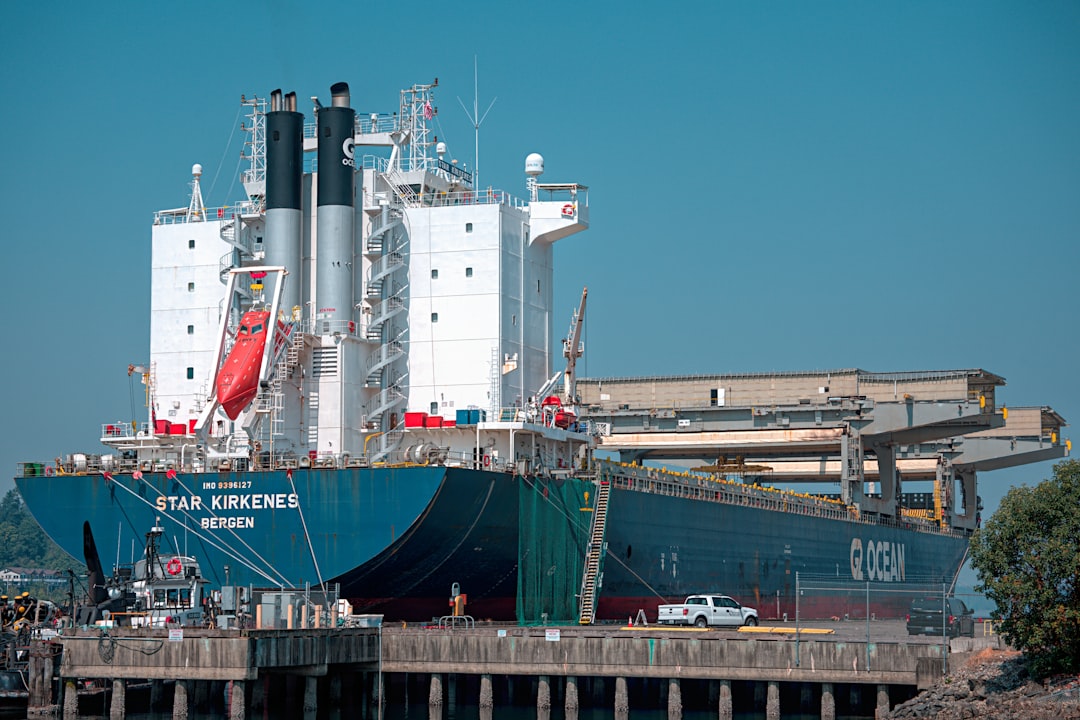
Overview of LED Lighting Fixtures Shipping Dynamics to/from Russia
The landscape for importing electrical goods, specifically LED lighting fixtures under HS Code 940542, into Russia has undergone a structural transformation since 2022. As of mid-2026, the market is characterized by a shift toward "official" import schemes, replacing the fragmented gray-market channels that dominated the immediate post-sanction period. Importers must now navigate a complex regulatory environment where compliance with dual-use screening and financial transparency is mandatory for successful customs clearance at the Port of St. Petersburg.
Market Shift Toward Official Importation
Russian enterprises are increasingly moving away from informal logistics schemes in favor of transparent, "white" import channels. This transition is driven by the implementation of the SPOT National Goods Arrival Confirmation System and the "Honest Mark" (Честный ЗНАК) traceability requirements, which demand full digital transparency for consumer goods, including lighting equipment.
Regulatory Compliance and HS Code 940542
HS Code 940542 (LED lighting sources) is subject to rigorous scrutiny. While not inherently "dual-use" in a military sense, customs authorities are increasingly applying AI-powered risk assessments to all electronic imports. Proper documentation, including clear end-user certificates and verification of the final destination, is essential to avoid detention at the border.
In-Depth Analysis of Main Shipping Line & Container Capacity
The withdrawal of major global carriers from the Russian market in 2022 fundamentally altered the shipping hierarchy. Today, the Port of St. Petersburg relies heavily on a network of regional feeder services and specialized logistics providers that maintain connectivity while adhering to complex international sanctions compliance frameworks.
The Role of MSC and Regional Feeders
While major global lines suspended standard commercial operations, Mediterranean Shipping Company (MSC) has maintained a limited, highly scrutinized presence in the Russian trade, primarily focusing on essential goods. For non-essential commercial cargo like LED fixtures, shippers are increasingly utilizing independent regional feeder operators that connect St. Petersburg with major transshipment hubs in Turkey, China, and the Middle East.
Capacity and Throughput Trends
Container throughput at St. Petersburg has stabilized at approximately 65-70% of pre-2022 levels. Industry forecasts suggest a recovery to 2.1–2.3 million TEU by the end of 2026, contingent on the stability of trade routes with Asian partners. Capacity remains tight, and shippers should expect priority to be given to high-volume or state-aligned industrial cargo.
Ocean Freight Rates & Cost Optimization for HS Code 940542
Freight rates for the Russian Baltic trade remain highly volatile, influenced by insurance premiums, banking transaction hurdles, and the scarcity of direct vessel calls. There is no "standard" rate; costs are typically negotiated on a spot basis and include significant risk premiums.
Comparative Freight Rate Trends (Estimated)
| Route Origin | Estimated Transit Time | Market Rate Trend (2026) |
|---|---|---|
| East Asia (via Feeder) | 45–60 Days | High Volatility / Increasing |
| Turkey (Transshipment) | 25–35 Days | Stable but High Compliance Cost |
| Middle East Hubs | 35–50 Days | Moderate / Fluctuating |
Cost Optimization Strategies
- Consolidation: Utilize LCL (Less than Container Load) consolidation services through specialized forwarders to minimize per-unit shipping costs.
- Incoterms Precision: Avoid CIF/DAP terms without clear insurance coverage; prefer DDP (Delivered Duty Paid) only if working with a highly experienced local customs broker.
- Financial Routing: Use payment agents or alternative banking channels to avoid SWIFT-related delays that can lead to demurrage charges.
Port Container Tracking & Congestion at Port of St. Petersburg
As of June 2026, the Port of St. Petersburg exhibits a "low" congestion index, with median vessel waiting times hovering around 0.44 days. However, this metric does not account for the significant "invisible" delays caused by customs clearance, document verification, and sanctions-compliance checks.
Monitoring Real-Time Status
Shippers should utilize AIS-based tracking tools to monitor vessel arrivals. While physical port congestion is currently manageable, the bottleneck has shifted to the "yard dwell" phase, where cargo may be held for extended periods due to administrative audits or "Honest Mark" labeling verification.
Managing Administrative Bottlenecks
Global Logistics Optimization & Supply Chain Strategies
To succeed in the current Russian market, logistics managers must adopt a "compliance-first" strategy. The days of simple port-to-port shipping are over; every shipment now requires a documented chain of custody.
Strategic Recommendations
- Sanctions Screening: Perform rigorous screening of all counterparties, including banks, vessel owners, and local distributors, before booking capacity.
- Multimodal Flexibility: Maintain a "Plan B" involving rail-road combinations via Kazakhstan or the North-South International Transport Corridor (INSTC) if sea freight routes face sudden disruption.
- Documentation Rigor: Ensure all product descriptions, technical specifications, and end-user certificates are translated and verified by a local Russian customs expert to prevent classification disputes.
Executive Summary & Future Outlook
Shipping LED lighting fixtures to St. Petersburg in 2026 requires a sophisticated approach that balances operational efficiency with extreme regulatory caution. While the physical infrastructure of the port remains functional, the administrative and financial hurdles are significant. Success depends on partnering with logistics providers who possess deep expertise in parallel import documentation and the evolving Russian sanctions landscape.
Sources & References
- Shipping Pneumatic Air Cylinders to the Port of Valencia, Spain
- Shipping Semiconductor Microchips (HS 854231) to the Port of Montreal
- Shipping Tomato Paste Cans (HS 200290) to the Port of Gothenburg, Sweden
- Shipping SPC Vinyl Click Flooring to the Port of Antwerp-Bruges
- Shipping True Wireless Earbuds (HS 8517.62) to the Port of Alexandria, Egypt
- Shipping Semiconductor Microchips (HS 854231) to the Port of Sines, Portugal
- Shipping Centrifugal Water Pumps to the Port of San Antonio, Chile
- Shipping Digital Signage Monitors to the Port of Trieste, Italy
- Shipping Printed Circuit Boards (PCB) to Egypt via Port of Said
- Optimizing Logistics for Solid State Drives (SSD) Imports to the Port of Chittagong, Bangladesh