
 367 Visitors
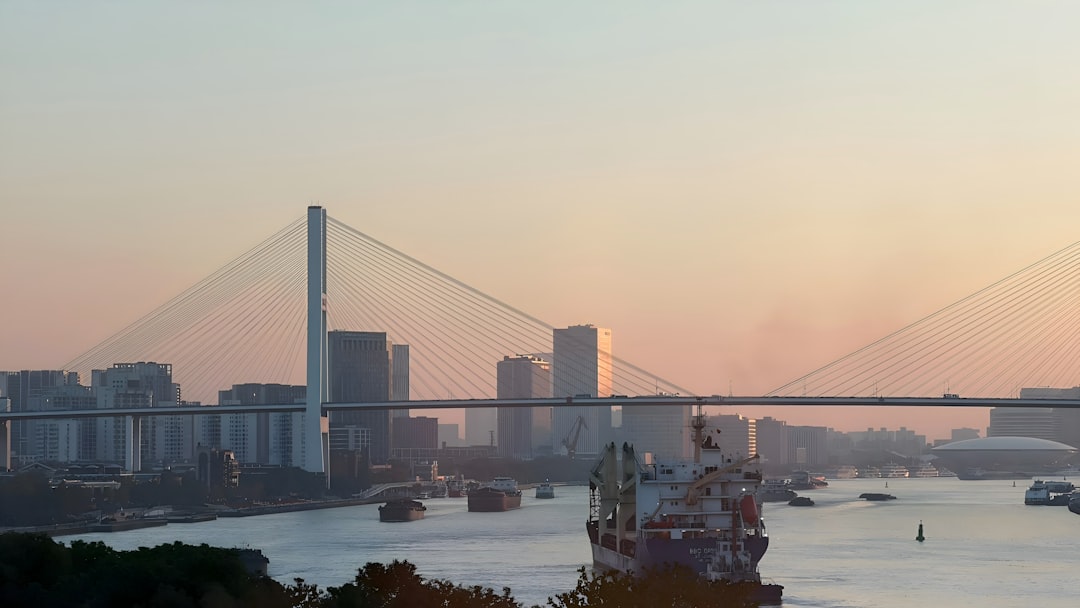
Overview of Electric Toothbrush Shipping Dynamics to/from South Africa
Market Context for HS Code 8509.80
Electric toothbrushes are classified under HS Code 8509.80, which covers electro-mechanical domestic appliances with a self-contained electric motor. When importing these goods into South Africa, it is critical to ensure accurate classification to avoid customs penalties. Importers must be aware that while the general duty rate is determined by the South African Revenue Service (SARS), a 15% VAT is applied to the CIF (Cost, Insurance, and Freight) value plus any applicable duties. Proper documentation, including a clear commercial invoice and a valid importer's code, is mandatory for seamless clearance.
Supply Chain Requirements
Shipping consumer electronics requires careful handling to prevent moisture damage and impact. Given the transit times from major global manufacturing hubs to the Port of Durban, utilizing moisture-absorbent packaging and ensuring robust container stowage is recommended. As South Africa relies heavily on road freight for inland distribution, coordinating with local logistics partners for port-to-door delivery is a standard practice for efficient supply chain management.
In-Depth Analysis of MSC / Maersk & Container Capacity
Carrier Landscape in South Africa
The shipping landscape in South Africa is dominated by major global carriers, including MSC and Maersk. Following the integration of the Safmarine brand into Maersk, shippers now manage their bookings and tracking primarily through the Maersk digital ecosystem. MSC continues to maintain a strong, independent presence, recently reinforcing its commitment to the South African market by relaunching standalone services to ensure continuity for local importers and exporters.
Capacity and Service Reliability
While vessel space is generally available, carriers often face equipment shortages in key hubs like Durban and Johannesburg. Shippers are advised to book well in advance, especially during peak seasons. The transition toward more direct, standalone services by major lines is a positive development for reliability, reducing the reliance on complex transshipment hubs that can introduce delays.
Ocean Freight Rates & Cost Optimization for HS Code 8509.80
Cost Drivers and Market Trends
Ocean freight rates to the Port of Durban are influenced by global fuel prices, carrier capacity, and specific surcharges. In 2026, shippers should account for base freight rates, Bunker Adjustment Factors (BAF), and Terminal Handling Charges (THC). Below is a summary of typical cost components for containerized cargo:
| Charge Component | Estimated Impact | Notes |
|---|---|---|
| Base Ocean Freight | Variable | Depends on origin and route; subject to market fluctuations. |
| Bunker Adjustment Factor (BAF) | 5% – 20% of base | Adjusted based on marine fuel price indices. |
| Terminal Handling Charges (THC) | $100 – $500 per container | Standard port terminal fees. |
| VAT (South Africa) | 15% | Applied to CIF value + duty. |
Optimization Strategies
- Consolidation: For smaller volumes, utilize LCL (Less-than-Container Load) services to reduce per-unit shipping costs.
- Incoterms: Carefully negotiate Incoterms (e.g., FOB vs. CIF) to maintain control over freight costs and insurance.
- Documentation: Ensure all customs declarations are error-free to avoid demurrage and storage fees caused by administrative delays.
Port Container Tracking & Congestion at Port of Durban
Current Operational Status
The Port of Durban remains the busiest container terminal in South Africa. While the port has faced historical challenges with congestion, recent data indicates that median waiting times are often kept within manageable ranges (typically 0–2 days for efficient terminals, though this can fluctuate due to weather or equipment maintenance). Shippers should monitor real-time updates from Transnet Port Terminals (TPT) to stay informed about stack dates and potential operational bottlenecks.
Mitigating Delay Risks
Global Logistics Optimization & Supply Chain Strategies
Infrastructure and Inland Connectivity
Once cargo clears the Port of Durban, the inland supply chain relies heavily on road transport, which handles the vast majority of South Africa's freight. Integrating your ocean freight with a reliable local road haulage partner is vital for maintaining a consistent flow of goods to distribution centers or retail outlets.
Strategic Planning
Supply chain managers should adopt a "buffer" strategy, maintaining slightly higher safety stock levels for high-demand items like electric toothbrushes to account for potential maritime disruptions. Diversifying your logistics service providers and maintaining visibility through integrated tracking platforms can provide the agility needed to navigate the complexities of the Southern African trade corridor.
Executive Summary & Future Outlook
Key Takeaways
- Regulatory Compliance: Always verify HS Code 8509.80 requirements and ensure 15% VAT is factored into your landed cost analysis.
- Carrier Selection: Both MSC and Maersk offer robust services, but prioritize direct routes to minimize transshipment risks.
- Port Awareness: Monitor the Port of Durban’s operational status via official Transnet channels to anticipate potential berthing delays.
Future Outlook
The South African government is actively pursuing logistics reforms, including the potential establishment of a national shipping company and significant infrastructure investments. These long-term initiatives aim to improve port productivity and rail capacity, which should eventually lead to a more stable and cost-effective logistics environment for importers.
Sources & References:
- Shipping Pneumatic Air Cylinders to the Port of Valencia, Spain
- Shipping Semiconductor Microchips (HS 854231) to the Port of Montreal
- Shipping Tomato Paste Cans (HS 200290) to the Port of Gothenburg, Sweden
- Shipping SPC Vinyl Click Flooring to the Port of Antwerp-Bruges
- Shipping True Wireless Earbuds (HS 8517.62) to the Port of Alexandria, Egypt
- Shipping Semiconductor Microchips (HS 854231) to the Port of Sines, Portugal
- Shipping Centrifugal Water Pumps to the Port of San Antonio, Chile
- Shipping Digital Signage Monitors to the Port of Trieste, Italy
- Shipping Printed Circuit Boards (PCB) to Egypt via Port of Said
- Optimizing Logistics for Solid State Drives (SSD) Imports to the Port of Chittagong, Bangladesh