
 405 Visitors
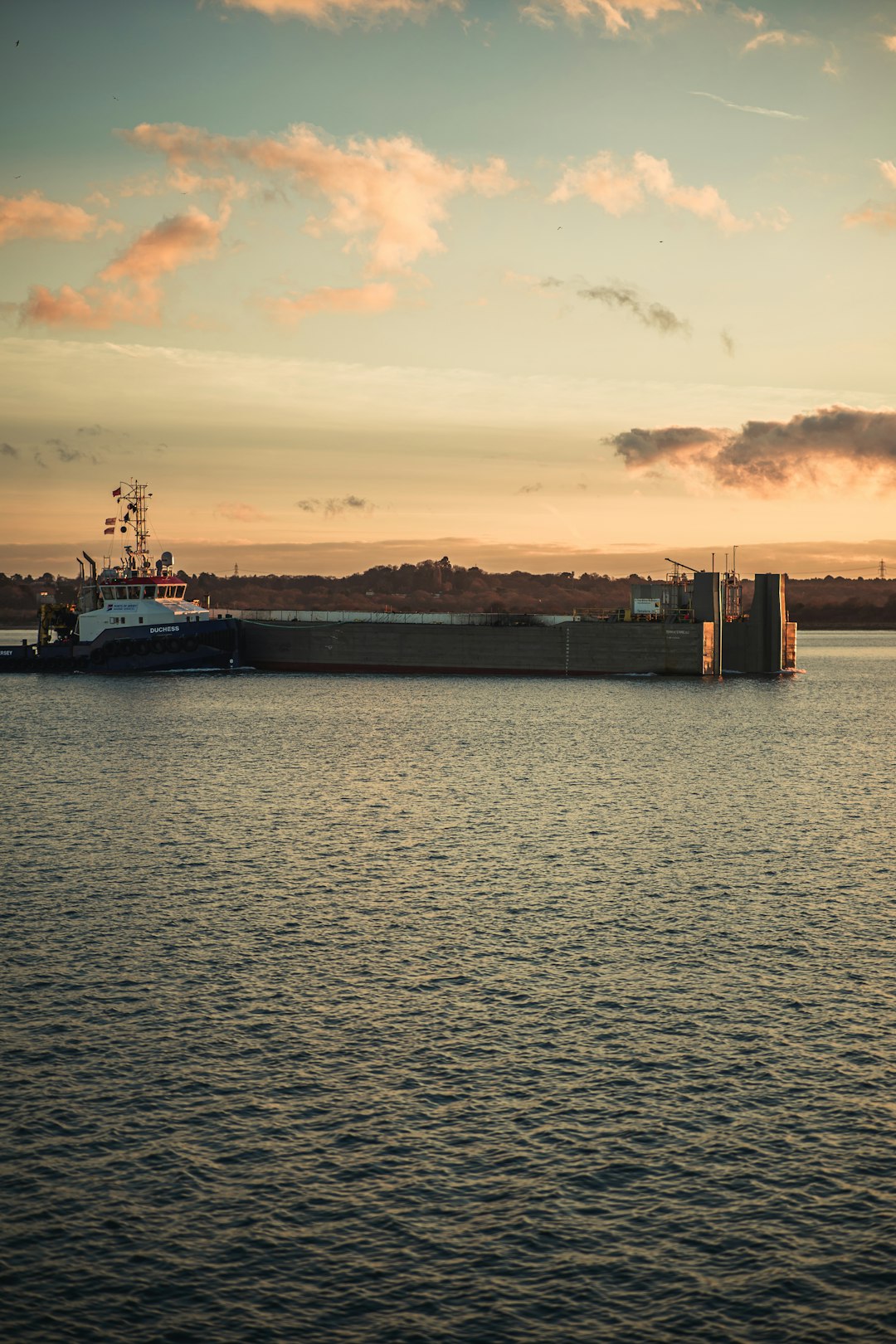
Overview of High-Voltage Transformer Shipping Dynamics to Poland
Shipping high-voltage transformer units—classified under HS Code 850422—represents a complex logistical challenge requiring specialized handling, precise customs documentation, and robust project cargo planning. As Poland accelerates its energy transition, particularly with offshore wind farm developments like Baltica 2, the demand for heavy electrical infrastructure has surged. The Port of Gdansk has emerged as the primary gateway for these critical components, serving as a vital node in the Trans-European Transport Network (TEN-T).
The Criticality of HS Code 850422
HS Code 850422 covers liquid dielectric transformers with a power handling capacity exceeding 650 kVA but not exceeding 10,000 kVA. Accurate classification is paramount, as EU customs authorities enforce stringent safety and environmental standards for oil-filled equipment. Shippers must ensure that all documentation reflects the exact kVA rating and dielectric fluid specifications to avoid clearance delays or non-compliance penalties.
Project Cargo Considerations
Unlike standard containerized goods, high-voltage transformers often require breakbulk shipping or specialized flat-rack container configurations. Given their weight and dimensions, inland transport from the Port of Gdansk to final project sites in Poland requires multi-axle trailers, police escorts, and advance permits for oversized loads exceeding standard road weight limits (typically 40 tons).
In-Depth Analysis of Maersk & COSCO Container Capacity
Major ocean carriers like Maersk and COSCO are pivotal in maintaining the supply chain integrity for industrial equipment moving into the Baltic region. Both carriers have adapted their networks to support the growing throughput at the Port of Gdansk, which saw a 22% increase in containerized cargo in Q1 2026.
Carrier Strategy and Network Connectivity
Maersk has recently launched specialized Baltic Sea services, such as the "Baltic Sea - SLA" route, which directly links Gdansk with major Mediterranean hubs. This reduces reliance on indirect transshipment, thereby lowering the risk of damage to sensitive high-voltage equipment. COSCO continues to leverage its expansive fleet to provide competitive capacity for heavy industrial goods originating from Asian manufacturing hubs.
Capacity Management in a Volatile Market
While global container capacity remains high, carriers are exercising strict discipline to manage costs amidst geopolitical instability. For project cargo, it is essential to engage with carrier project desks early, as these units often compete for limited space on vessels equipped with heavy-lift cranes or specialized deck configurations.
Ocean Freight Rates & Cost Optimization for HS Code 850422
Freight rates for heavy industrial equipment are currently influenced by a combination of General Rate Increases (GRIs), war-risk surcharges, and the high demand for specialized equipment. As of June 2026, spot rates on Asia-Europe lanes have faced upward pressure due to peak season demand and ongoing regional conflicts.
Comparative Freight Rate Trends (Estimated)
| Route | Q1 2026 Avg (per FEU) | Current Trend (June 2026) |
|---|---|---|
| Asia to North Europe (Gdansk) | $2,700 - $3,000 | Rising (+$1,000 - $1,800 GRI) |
| Project Cargo (Breakbulk) | Variable/Charter-based | Firming/Stable |
Optimization Strategies
- DDP Terms: Utilize Delivered Duty Paid (DDP) terms to consolidate customs, insurance, and inland transport costs, providing better budget predictability.
- Dimensional Weight Awareness: Ensure packaging is optimized to minimize the "DIM" weight footprint, as carriers increasingly charge based on space utilization for bulky items.
Port Container Tracking & Congestion at Port of Gdansk
The Port of Gdansk is currently experiencing high operational activity. While it remains a resilient hub, stakeholders must account for potential bottlenecks during peak seasons.
Current Operational Status
In the first quarter of 2026, the port handled over 760,000 TEUs. This volume, while indicative of economic growth, has occasionally led to yard density challenges. Carriers have advised customers to prioritize the collection of import units to mitigate congestion risks.
Mitigating Transit Delays
Shippers should utilize the port's digital tools, such as e-BRAMA or local Port Community Systems (PCS), to track cargo status in real-time. Proactive communication with terminal operators is critical, especially for dangerous goods (e.g., oil-filled transformers) that may require specific yard handling protocols.
Global Logistics Optimization & Supply Chain Strategies
Shipping heavy equipment requires a "beyond-the-port" mindset. The journey from the Port of Gdansk to the final destination is often where the most significant risks—and costs—are incurred.
Inland Transport and Infrastructure
Poland’s road infrastructure is undergoing significant investment, but heavy loads still face strict axle-load regulations. Partnering with a 3PL that specializes in heavy-lift transport is non-negotiable. Ensure that your logistics provider has the necessary permits for oversized cargo well in advance of vessel arrival.
Executive Summary & Future Outlook
The outlook for shipping high-voltage transformers to Poland remains positive, driven by the country's robust energy infrastructure investments. However, the logistics landscape is characterized by high volatility in freight rates and potential congestion at major gateways like the Port of Gdansk.
Key Takeaways
- Early Planning: Secure vessel space and inland transport permits at least 60 days before the expected arrival date.
- Compliance: Rigorously verify HS Code 850422 documentation to prevent customs-related delays.
- Visibility: Leverage digital tracking platforms and maintain close contact with carriers like Maersk and COSCO to navigate potential port congestion.
Sources & References
Data and insights derived from:
Port of Gdansk Authority (Q1 2026 Performance Reports)
Maersk Market Updates (June 2026)
Container News (Port Throughput Analysis)
IndexBox (Freight Rate Trends)
- Shipping Pneumatic Air Cylinders to the Port of Valencia, Spain
- Shipping Semiconductor Microchips (HS 854231) to the Port of Montreal
- Shipping Tomato Paste Cans (HS 200290) to the Port of Gothenburg, Sweden
- Shipping SPC Vinyl Click Flooring to the Port of Antwerp-Bruges
- Shipping True Wireless Earbuds (HS 8517.62) to the Port of Alexandria, Egypt
- Shipping Semiconductor Microchips (HS 854231) to the Port of Sines, Portugal
- Shipping Centrifugal Water Pumps to the Port of San Antonio, Chile
- Shipping Digital Signage Monitors to the Port of Trieste, Italy
- Shipping Printed Circuit Boards (PCB) to Egypt via Port of Said
- Optimizing Logistics for Solid State Drives (SSD) Imports to the Port of Chittagong, Bangladesh