
 0 Visitors
Overview of Gaming Mechanical Keyboards Shipping Dynamics to/from Malaysia
The import of gaming mechanical keyboards, classified under HS Code 847160 (Input/Output units), into Malaysia has seen significant growth alongside the country's expanding digital economy. As Malaysia solidifies its role as a regional logistics hub, the demand for high-performance peripherals has necessitated more robust supply chain strategies. Importers must navigate specific customs regulations, including the Sales and Service Tax (SST), and ensure that documentation is precise to avoid clearance delays at major entry points.
Market Demand and Regulatory Compliance
Gaming peripherals are high-value, sensitive electronics. When importing into Malaysia, businesses must ensure that the goods are correctly classified under the 847160 prefix to ensure smooth customs processing. While many electronic components enjoy favorable duty treatments, the application of SST is standard. Proper documentation, including accurate commercial invoices and packing lists, is essential to prevent administrative holds at customs.
Logistics Challenges for Electronics
Distributors face challenges such as inventory volatility and the need for rapid replenishment. Because gaming keyboards are often subject to rapid product lifecycles, supply chain agility is paramount. Many distributors are now integrating Warehouse Management Systems (WMS) to automate bonded transactions and reduce manual entry errors, which have historically been a bottleneck in Malaysian logistics.
In-Depth Analysis of Maersk / MSC & Container Capacity
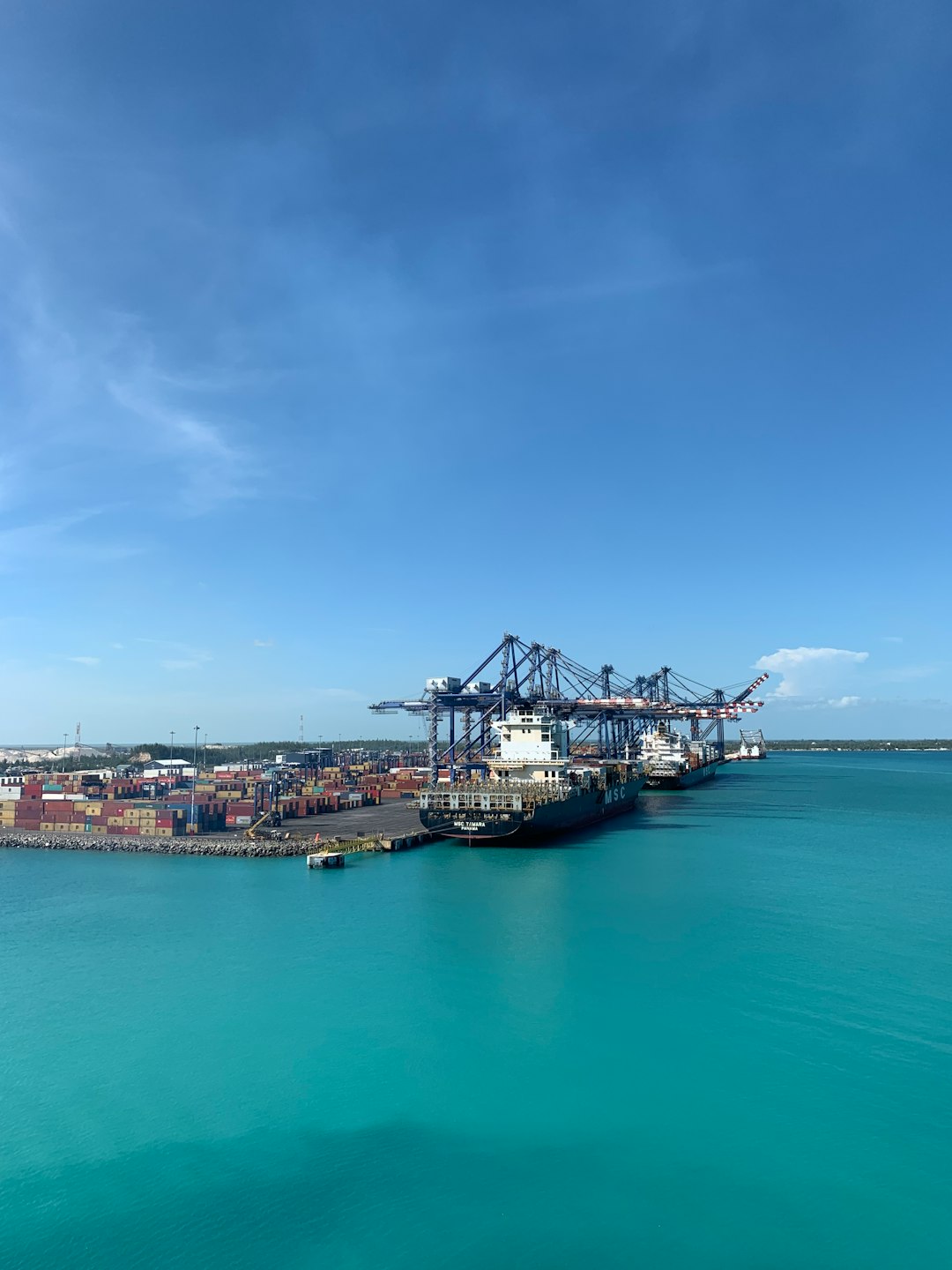
The Port of Tanjung Pelepas (PTP) serves as a critical node for major global carriers, most notably Maersk and MSC. PTP is a joint venture between MMC Corporation and APM Terminals (a Maersk subsidiary), which cements its status as a primary hub for these shipping lines.
Carrier Synergy at PTP
Maersk and MSC utilize PTP as a cornerstone for their Southeast Asian transshipment operations. The port's infrastructure is specifically designed to handle Ultra Large Container Vessels (ULCVs), with deep-water berths reaching up to 19 meters. This allows these carriers to maintain high-frequency, high-capacity service loops that connect Malaysia directly to major manufacturing hubs in China and consumer markets in Europe and the Americas.
Capacity and Infrastructure Investments
PTP has invested heavily in its capacity, with throughput exceeding 12 million TEUs annually. The port is currently undergoing expansion under the "KILAT" programme, which includes the deployment of new electric quay cranes and prime movers. This ensures that even as global trade volumes fluctuate, carriers like Maersk and MSC can maintain consistent vessel turnaround times at PTP.
Ocean Freight Rates & Cost Optimization for HS Code 847160
Freight rates for electronics like gaming keyboards are influenced by global bunker adjustment factors, peak season surcharges, and the specific trade lane dynamics between the origin country and Malaysia. While exact spot rates fluctuate weekly based on market demand, shippers can optimize costs through strategic planning.
Freight Rate Comparison (Indicative Trends)
| Route Segment | Typical Transit Time | Cost Optimization Strategy |
|---|---|---|
| Intra-Asia (e.g., China to PTP) | 7–14 Days | Consolidation of LCL shipments |
| Europe to PTP | 25–35 Days | Advance booking to avoid peak surcharges |
| Trans-Pacific to PTP | 30–40 Days | Utilizing contract rates for volume stability |
Optimization Strategies
- Consolidation: For smaller shipments of keyboards, utilize Less-than-Container Load (LCL) services to reduce per-unit shipping costs.
- Volume Forecasting: Engage with Maersk or MSC account managers to secure long-term space agreements, mitigating the impact of spot rate volatility.
Port Container Tracking & Congestion at Port of Tanjung Pelepas
As of mid-2026, the Port of Tanjung Pelepas maintains a competitive edge with relatively low congestion levels compared to other regional hubs. However, global supply chain disruptions can lead to periodic "vessel bunching."
Current Congestion Metrics
Status: Low Congestion
Median Waiting Time: Approximately 0.17 days.
Note: While PTP remains efficient, shippers should monitor weekly port operational updates, as transshipment volumes can cause temporary spikes in dwell times.
Visibility Tools
To mitigate risks, logistics managers should utilize real-time container tracking platforms. These tools provide predictive ETAs and alerts regarding terminal density, allowing for proactive adjustments to inland transport schedules if a delay is detected at the port.
Global Logistics Optimization & Supply Chain Strategies
To remain competitive, companies importing gaming peripherals must move beyond traditional shipping methods and embrace digital transformation.
Automation and Digitalization
Implementing automated customs declaration processes is critical. By integrating internal ERP systems with customs platforms, businesses can eliminate the manual entry errors that often lead to cargo being held at the port. Furthermore, investing in regional distribution centers near PTP can significantly reduce the "last mile" delivery time to local retailers.
Diversification of Logistics Partners
While Maersk and MSC provide excellent mainline connectivity, maintaining a diverse portfolio of freight forwarders can provide a buffer against carrier-specific service disruptions. Collaborating with local Malaysian logistics providers who have deep expertise in the Pelepas Free Zone can also unlock tax and storage efficiencies.
Executive Summary & Future Outlook
The Port of Tanjung Pelepas remains a premier gateway for high-tech goods like gaming mechanical keyboards. With its deep-water capabilities, strong partnership with Maersk and MSC, and ongoing investments in automation, PTP is well-positioned to handle the growing demands of the Malaysian market.
Key Takeaways
- Operational Efficiency: PTP continues to lead in efficiency, with low median waiting times, making it a reliable choice for time-sensitive electronics.
- Strategic Growth: Ongoing infrastructure projects, including the "KILAT" programme, will further increase capacity and sustainability.
- Actionable Advice: Importers should prioritize digital integration for customs and leverage the PTP Free Zone to optimize inventory and tax liabilities.
Sources & References
Port of Tanjung Pelepas Official Site | Portcast Port Congestion Data | gCaptain Maritime News | Flexport Trade Resources
- Shipping Pneumatic Air Cylinders to the Port of Valencia, Spain
- Shipping Semiconductor Microchips (HS 854231) to the Port of Montreal
- Shipping Tomato Paste Cans (HS 200290) to the Port of Gothenburg, Sweden
- Shipping SPC Vinyl Click Flooring to the Port of Antwerp-Bruges
- Shipping True Wireless Earbuds (HS 8517.62) to the Port of Alexandria, Egypt
- Shipping Semiconductor Microchips (HS 854231) to the Port of Sines, Portugal
- Shipping Centrifugal Water Pumps to the Port of San Antonio, Chile
- Shipping Digital Signage Monitors to the Port of Trieste, Italy
- Shipping Printed Circuit Boards (PCB) to Egypt via Port of Said
- Optimizing Logistics for Solid State Drives (SSD) Imports to the Port of Chittagong, Bangladesh