
 427 Visitors
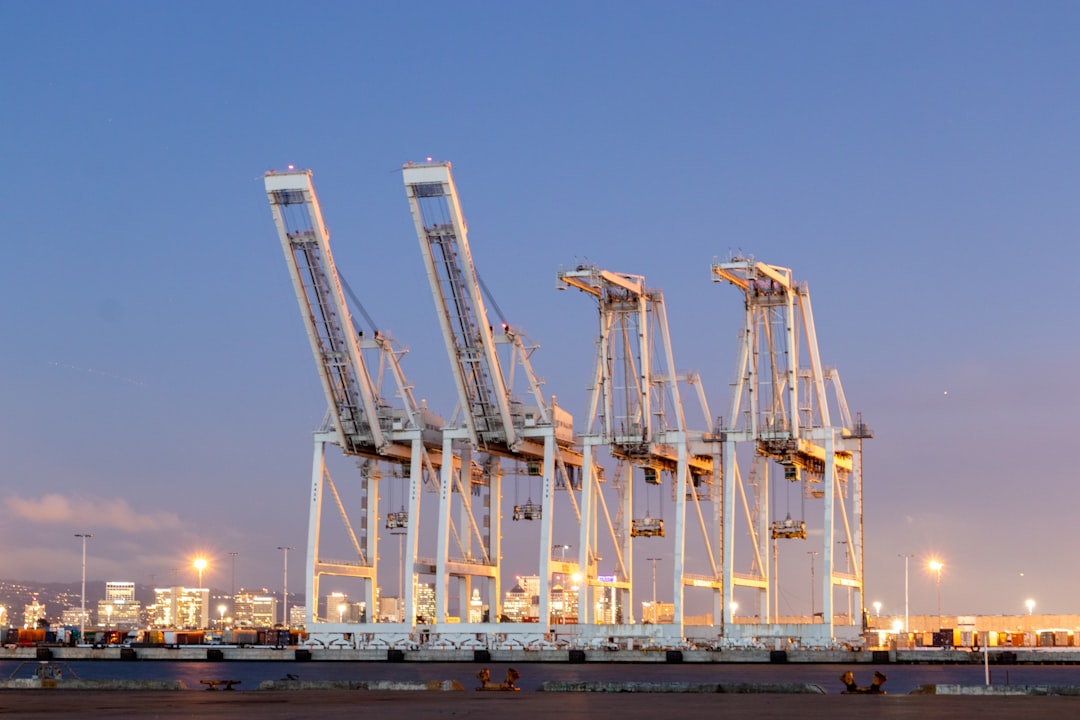
Overview of Makeup Brush Set Shipping Dynamics to/from Norway
Market Classification and HS Code 960330
Makeup brush sets are classified under the Harmonized System (HS) code prefix 960330, specifically under 96033090 for cosmetic application brushes. These items are considered specialized consumer goods, requiring careful handling to maintain bristle integrity and hygiene standards. Proper classification is critical for determining import duties and ensuring compliance with Norwegian customs regulations.
Regulatory Compliance for Cosmetics in Norway
Norway aligns its cosmetic regulations closely with the European Union (EU Regulation No. 1223/2009). Importers must ensure that products are registered with the Norwegian Food Safety Authority (Mattilsynet). Failure to provide correct labeling, ingredient documentation, or safety data sheets (SDS) can lead to significant customs delays or product confiscation at the Port of Oslo.
In-Depth Analysis of Samskip & Container Capacity
Samskip’s Role in the Norway Trade Lane
Samskip is a dominant player in the short-sea shipping market connecting Northern Europe to Norway. They provide extensive multimodal solutions, integrating sea, rail, and road transport. For shipments to the Port of Oslo, Samskip utilizes a fleet of geared and gearless container vessels, offering high-frequency sailings that are essential for maintaining lean inventory levels in the cosmetics sector.
Capacity and Service Reliability
Samskip operates dedicated services connecting major hubs like Rotterdam and Hamburg to the Oslofjord region. With weekly sailings and a focus on sustainable, multimodal transport, they offer a reliable alternative to road-only freight. Their infrastructure includes specialized reefer and dry container equipment, ensuring that sensitive cosmetic accessories are protected during transit.
Ocean Freight Rates & Cost Optimization for HS Code 960330
Freight Rate Volatility and Market Trends
Ocean freight rates for the North European trade lanes are currently influenced by geopolitical tensions and vessel bunching. While exact rates fluctuate based on seasonal demand and fuel surcharges, shippers should anticipate a premium for reliability. Below is a summary of typical transit considerations for this route:
| Route Segment | Typical Transit Time | Primary Mode |
|---|---|---|
| Rotterdam to Oslo | 3–5 Days | Short-Sea Container |
| Hamburg to Oslo | 4–6 Days | Short-Sea Container |
Cost Optimization Strategies
- Consolidation: Utilize LCL (Less than Container Load) services if volume does not justify a full FEU to reduce per-unit shipping costs.
- Multimodal Integration: Leverage Samskip’s rail-sea connections to minimize road haulage costs within Norway.
- Advance Documentation: Pre-clearance of customs documentation prevents demurrage and detention charges at the Port of Oslo.
Port Container Tracking & Congestion at Port of Oslo
Current Congestion Status
Northern European ports, including major transshipment hubs that feed into Oslo, have experienced intermittent congestion due to weather-related disruptions and vessel bunching. While the Port of Oslo generally maintains efficient throughput, delays at feeder ports (such as Rotterdam or Hamburg) can create ripple effects in your supply chain.
Tracking and Visibility
Modern logistics requires real-time visibility. Shippers are encouraged to use AIS-based vessel tracking and carrier-provided portals to monitor the status of their containers. Monitoring the "anchorage queue" at major hubs is a proactive way to anticipate delays before they impact your delivery schedule.
Global Logistics Optimization & Supply Chain Strategies
Mitigating Environmental and Operational Risks
Strategic Recommendations
- Buffer Stock: Maintain a safety stock of high-turnover makeup brush sets in a local bonded warehouse to mitigate transit volatility.
- Digital Documentation: Ensure all customs declarations are submitted digitally to expedite the clearance process at the Norwegian border.
- Carrier Diversification: While Samskip offers excellent coverage, maintain relationships with secondary forwarders to ensure capacity during peak seasons.
Executive Summary & Future Outlook
Summary of Findings
Shipping makeup brush sets to Norway requires a balance of regulatory compliance and efficient multimodal logistics. By leveraging the established networks of carriers like Samskip and staying informed on the regulatory requirements of the Norwegian Food Safety Authority, businesses can maintain a competitive edge. The market remains volatile, necessitating a proactive approach to tracking and risk management.
Future Outlook
The shift toward sustainable shipping, such as the development of hydrogen-powered vessels on the Rotterdam-Oslo route, signals a greener future for Norwegian logistics. Companies that invest in these sustainable, reliable transport chains will likely see long-term benefits in both cost and brand reputation.
Sources & References
- Shipping Pneumatic Air Cylinders to the Port of Valencia, Spain
- Shipping Semiconductor Microchips (HS 854231) to the Port of Montreal
- Shipping Tomato Paste Cans (HS 200290) to the Port of Gothenburg, Sweden
- Shipping SPC Vinyl Click Flooring to the Port of Antwerp-Bruges
- Shipping True Wireless Earbuds (HS 8517.62) to the Port of Alexandria, Egypt
- Shipping Semiconductor Microchips (HS 854231) to the Port of Sines, Portugal
- Shipping Centrifugal Water Pumps to the Port of San Antonio, Chile
- Shipping Digital Signage Monitors to the Port of Trieste, Italy
- Shipping Printed Circuit Boards (PCB) to Egypt via Port of Said
- Optimizing Logistics for Solid State Drives (SSD) Imports to the Port of Chittagong, Bangladesh