
 0 Visitors
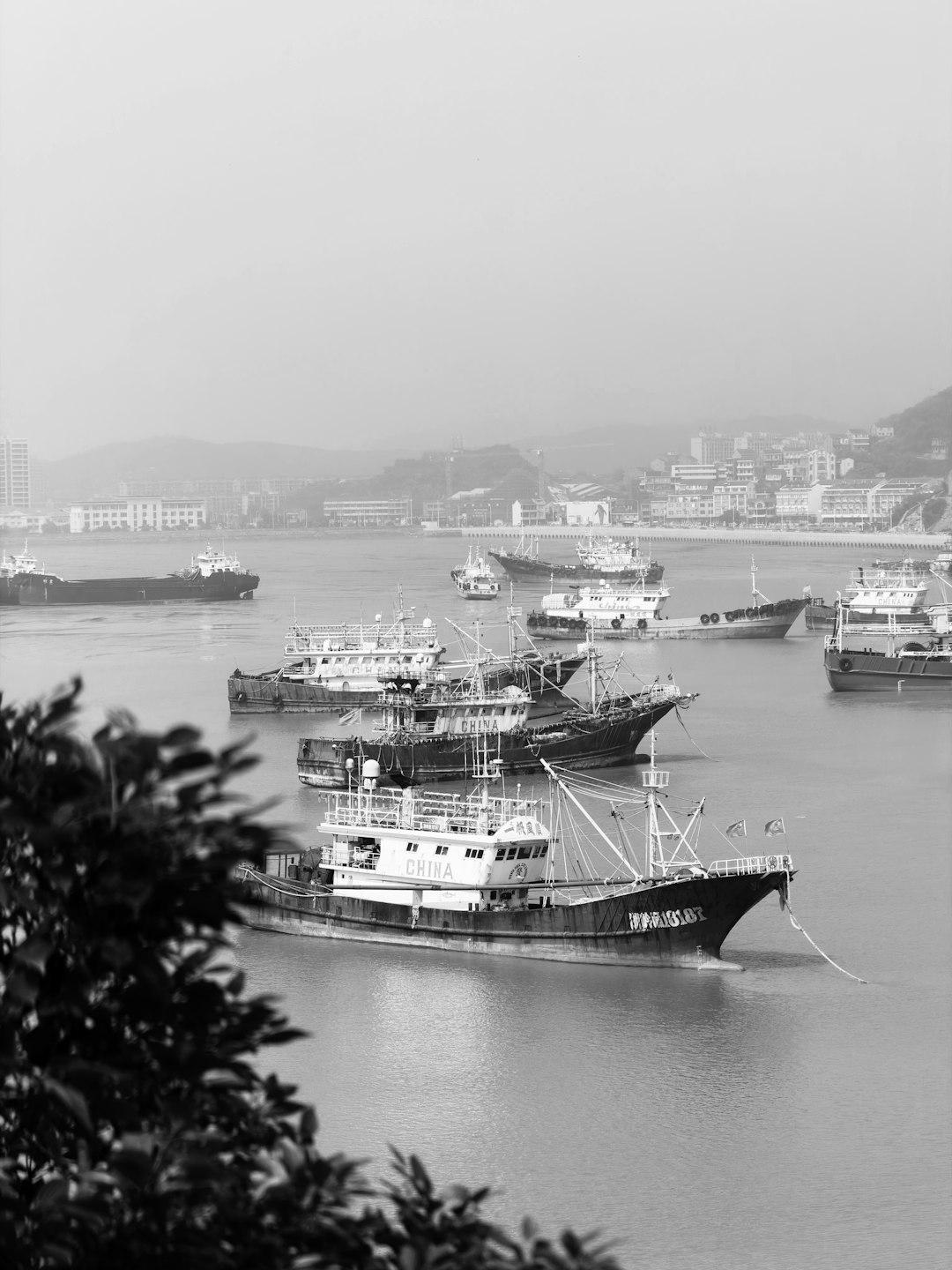
Overview of Meltblown Nonwoven Filter Fabric Shipping Dynamics to/from United Kingdom
The importation of meltblown nonwoven filter fabric (HS Code 5603.11) into the United Kingdom is a critical supply chain activity, particularly for industries ranging from medical filtration to industrial air purification. As a lightweight, high-performance material, it requires specialized handling to maintain structural integrity during transit.
Market Context and Classification
Meltblown fabrics, typically weighing less than 25 g/m², fall under the HS Code 5603.11 classification. Accurate classification is paramount; misdeclaration can lead to significant customs delays, penalties, and potential seizure of goods by UK Border Force. Importers must ensure that the technical specifications—specifically the GSM (grams per square meter) and fiber composition—are clearly documented to avoid classification disputes.
Supply Chain Vulnerabilities
The UK textile supply chain remains heavily reliant on imports, with over 90% of fashion and textile products sourced from abroad. This dependency makes importers highly sensitive to global shipping disruptions, including port congestion at major gateways like the Port of Felixstowe and fluctuations in fuel-related surcharges.
In-Depth Analysis of COSCO / Evergreen / OOCL & Container Capacity
The Ocean Alliance, comprising COSCO Shipping, Evergreen, and OOCL, remains a dominant force in the Asia-to-North Europe trade lane. For 2026, the alliance has launched its "DAY 10" network, optimizing service reliability and capacity management.
Alliance Capacity and Service Loops
The Ocean Alliance operates 7 dedicated services between Asia and Northern Europe, utilizing over 100 vessels. These services provide direct, high-frequency connections to the Port of Felixstowe, ensuring that shippers have consistent access to space even during peak demand periods.
Strategic Operational Advantages
By leveraging the combined fleet of COSCO, Evergreen, and OOCL, shippers benefit from a flexible network that can adapt to geopolitical risks. While many carriers have rerouted via the Cape of Good Hope to avoid regional instability, the alliance maintains a robust schedule, with contingency plans to switch back to the Suez Canal route should conditions normalize.
Ocean Freight Rates & Cost Optimization for HS Code 5603.11
Ocean freight rates for the Asia-to-UK corridor have experienced significant volatility in mid-2026, driven by early peak season demand and rising bunker adjustment factors (BAF).
| Route | Market Status (June 2026) | Estimated Rate Trend |
|---|---|---|
| Asia to Felixstowe (FCL) | High Volatility | $4,700 - $7,000 per FEU |
| Asia to Felixstowe (LCL) | Stable/Rising | $45 - $90 per CBM |
Cost Optimization Strategies
- Book Early: With peak season pressure building, securing space 4–6 weeks in advance is essential to avoid spot market premiums.
- Contract vs. Spot: Given the current upward trend in spot rates, shippers should prioritize long-term contract rates to hedge against sudden price spikes.
- Consolidation: For smaller shipments, utilizing LCL services can be more cost-effective, provided the transit time allows for the consolidation process.
Port Container Tracking & Congestion at Port of Felixstowe
The Port of Felixstowe, as the UK's largest container gateway, is a critical node in the supply chain. While congestion levels have fluctuated, recent data indicates a manageable but watchful environment.
Current Congestion Metrics
As of late May 2026, the Port of Felixstowe reported a "low" congestion category with a median vessel waiting time of approximately 0.25 days. However, logistics managers are advised to maintain a 7–10 day buffer in their planning to account for potential berthing delays caused by adverse weather or sudden surges in vessel arrivals.
Visibility and Tracking
Importers should utilize real-time container tracking tools provided by their carriers (COSCO/Evergreen/OOCL) or third-party visibility platforms. Proactive monitoring of vessel arrival status is vital for coordinating downstream trucking and warehousing operations.
Global Logistics Optimization & Supply Chain Strategies
To mitigate the risks of global supply chain disruptions, businesses importing nonwoven fabrics must adopt a "just-in-case" inventory mindset.
Resilience and Diversification
Warehousing and Distribution
Holding additional safety stock within UK-based warehouses can protect against transit delays. Given the high value and critical nature of filter fabrics, ensuring that your storage facilities are climate-controlled and compliant with textile storage standards is essential for maintaining product quality.
Executive Summary & Future Outlook
The outlook for shipping meltblown nonwoven filter fabric to the UK in the second half of 2026 remains characterized by high demand and operational complexity. While the Ocean Alliance provides stable capacity, shippers must remain agile.
Key Takeaways
- Monitor Surcharges: Be prepared for potential increases in Peak Season Surcharges (PSS) and fuel-related adjustments throughout Q3.
- Compliance First: Ensure all HS Code 5603.11 documentation is flawless to prevent customs-related bottlenecks.
- Strategic Planning: Treat logistics as a strategic investment rather than a cost center to maintain margins in a volatile market.
Sources & References
Portcast - Port Congestion Data | Drewry World Container Index | OOCL/Ocean Alliance 2026 Service Updates | UK Global Tariff (UKGT) Guidelines
- Shipping Pneumatic Air Cylinders to the Port of Valencia, Spain
- Shipping Semiconductor Microchips (HS 854231) to the Port of Montreal
- Shipping Tomato Paste Cans (HS 200290) to the Port of Gothenburg, Sweden
- Shipping SPC Vinyl Click Flooring to the Port of Antwerp-Bruges
- Shipping True Wireless Earbuds (HS 8517.62) to the Port of Alexandria, Egypt
- Shipping Semiconductor Microchips (HS 854231) to the Port of Sines, Portugal
- Shipping Centrifugal Water Pumps to the Port of San Antonio, Chile
- Shipping Digital Signage Monitors to the Port of Trieste, Italy
- Shipping Printed Circuit Boards (PCB) to Egypt via Port of Said
- Optimizing Logistics for Solid State Drives (SSD) Imports to the Port of Chittagong, Bangladesh