
 476 Visitors
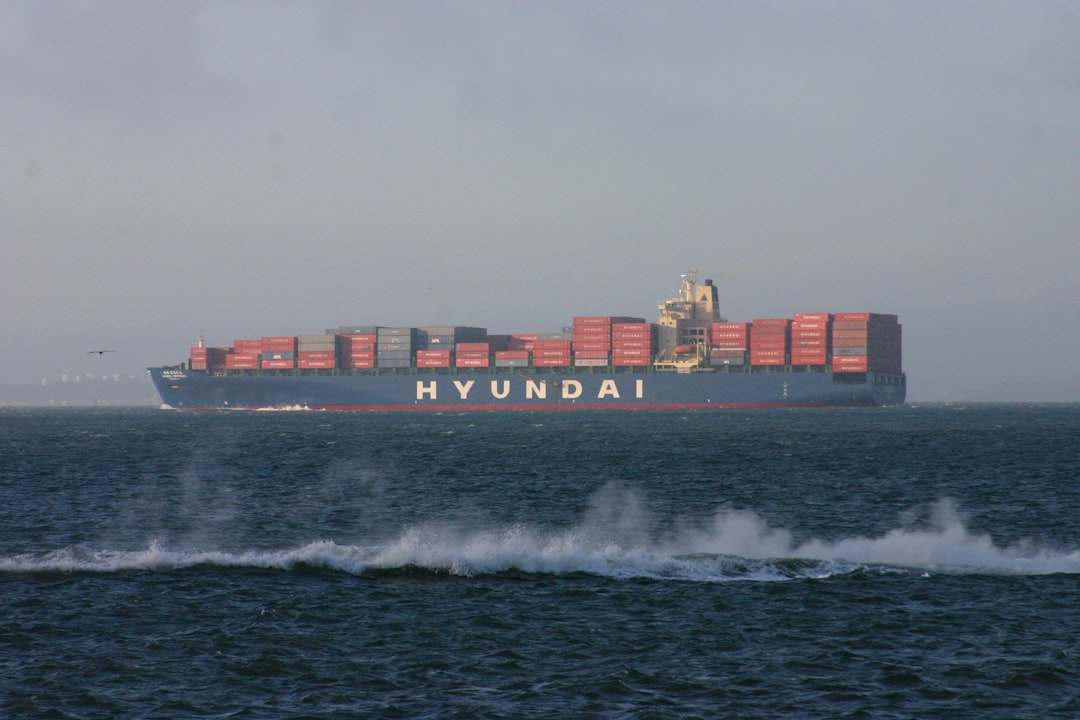
Overview of Organic Soy Protein Isolate Shipping Dynamics to/from Kenya
Market Demand and Product Profile
Organic Soy Protein Isolate (HS Code 350400) is a high-value, specialized ingredient increasingly imported into Kenya to support the country's growing food manufacturing, sports nutrition, and plant-based supplement sectors. As a purified form of soy protein, it requires careful handling to maintain its organic certification and functional properties during transit.
Trade Corridor Significance
The Port of Mombasa serves as the primary gateway for East Africa, facilitating trade not only for Kenya but also for landlocked neighbors including Uganda, Rwanda, and the Democratic Republic of Congo. With import volumes for protein-based substances showing consistent demand, securing reliable shipping routes is critical for supply chain continuity.
In-Depth Analysis of Main Shipping Line & Container Capacity
Carrier Partnerships and Service Routes
Major carriers including Maersk, COSCO, and PIL maintain a robust presence in the Mombasa trade lane. Notably, the "Mashariki" joint service between Maersk and COSCO has historically provided dedicated connectivity between major Asian manufacturing hubs and Mombasa, significantly improving transit times for regional importers. PIL (Pacific International Lines) also maintains a strong local office in Mombasa, offering specialized regional expertise.
Capacity and Equipment Availability
While global capacity fluctuates, the Mombasa route benefits from these carriers' ability to deploy both standard dry containers and specialized equipment. Importers are encouraged to leverage the digital booking platforms provided by these lines to gain real-time visibility into vessel space and empty container availability, which is vital given the current port-side equipment management challenges.
Ocean Freight Rates & Cost Optimization for HS Code 350400
Cost Drivers and Tariff Context
Shipping costs for HS Code 350400 are influenced by global bunker adjustment factors (BAF), container availability, and local port charges. Because this product often requires specific storage conditions, importers should factor in potential demurrage and detention risks associated with port congestion.
| Cost Component | Impact on HS 350400 Shipments | Optimization Strategy |
|---|---|---|
| Ocean Freight | High (Fluctuating based on route) | Book 4-6 weeks in advance via carrier portals. |
| Port Handling | Moderate (Congestion surcharges) | Utilize Authorized Economic Operator (AEO) status. |
| Inland Haulage | High (Rail vs. Road) | Leverage Standard Gauge Railway (SGR) for ICD transit. |
Port Container Tracking & Congestion at Port of Mombasa
Current Operational Status
As of early 2026, the Port of Mombasa has been managing record-high cargo volumes, leading to periodic congestion. Average vessel waiting times have been reported in the range of 4.5 days, with the Kenya Ports Authority (KPA) implementing aggressive reforms to improve throughput, including the automation of gates and the optimization of empty container handling.
Decongestion Initiatives
To mitigate delays, the KPA has introduced stricter rules for empty container storage and has encouraged the use of Inland Container Depots (ICDs) in Nairobi and Naivasha. Importers should track their shipments using the carrier's digital tracking tools and coordinate closely with local clearing agents to ensure pre-arrival documentation is submitted to the Kenya Revenue Authority (KRA) to avoid "long-stay" penalties.
Global Logistics Optimization & Supply Chain Strategies
Strategic Recommendations for Importers
- Pre-Arrival Processing: Utilize the KRA’s Pre-Arrival Processing framework to clear goods before vessel berthing, significantly reducing dwell time.
- Empty Container Management: Ensure shipping agents submit handling requests at least seven days before vessel arrival to comply with new KPA regulations.
- Intermodal Connectivity: Prioritize the use of the Standard Gauge Railway (SGR) for moving containers from the port to inland depots to bypass road traffic and port-gate bottlenecks.
- Digital Integration: Use carrier-provided digital platforms for instant booking confirmations and real-time visibility into vessel schedules.
Executive Summary & Future Outlook
Summary of Findings
Shipping Organic Soy Protein Isolate to Kenya remains a viable and growing trade activity. While the Port of Mombasa faces infrastructure pressure due to high volumes, ongoing investments in berth expansion and digital automation are expected to enhance long-term reliability. Success in this trade lane requires proactive coordination with carriers like Maersk, COSCO, and PIL, and strict adherence to the evolving customs and port clearance protocols.
Sources & References
Kenya Ports Authority (KPA) Official Updates | Maersk Logistics & Shipping Solutions | PIL (Pacific International Lines) Kenya | Economic & Logistics News (2026) | Kuehne+Nagel Port Operational Updates
- Shipping Pneumatic Air Cylinders to the Port of Valencia, Spain
- Shipping Semiconductor Microchips (HS 854231) to the Port of Montreal
- Shipping Tomato Paste Cans (HS 200290) to the Port of Gothenburg, Sweden
- Shipping SPC Vinyl Click Flooring to the Port of Antwerp-Bruges
- Shipping True Wireless Earbuds (HS 8517.62) to the Port of Alexandria, Egypt
- Shipping Semiconductor Microchips (HS 854231) to the Port of Sines, Portugal
- Shipping Centrifugal Water Pumps to the Port of San Antonio, Chile
- Shipping Digital Signage Monitors to the Port of Trieste, Italy
- Shipping Printed Circuit Boards (PCB) to Egypt via Port of Said
- Optimizing Logistics for Solid State Drives (SSD) Imports to the Port of Chittagong, Bangladesh