
 453 Visitors
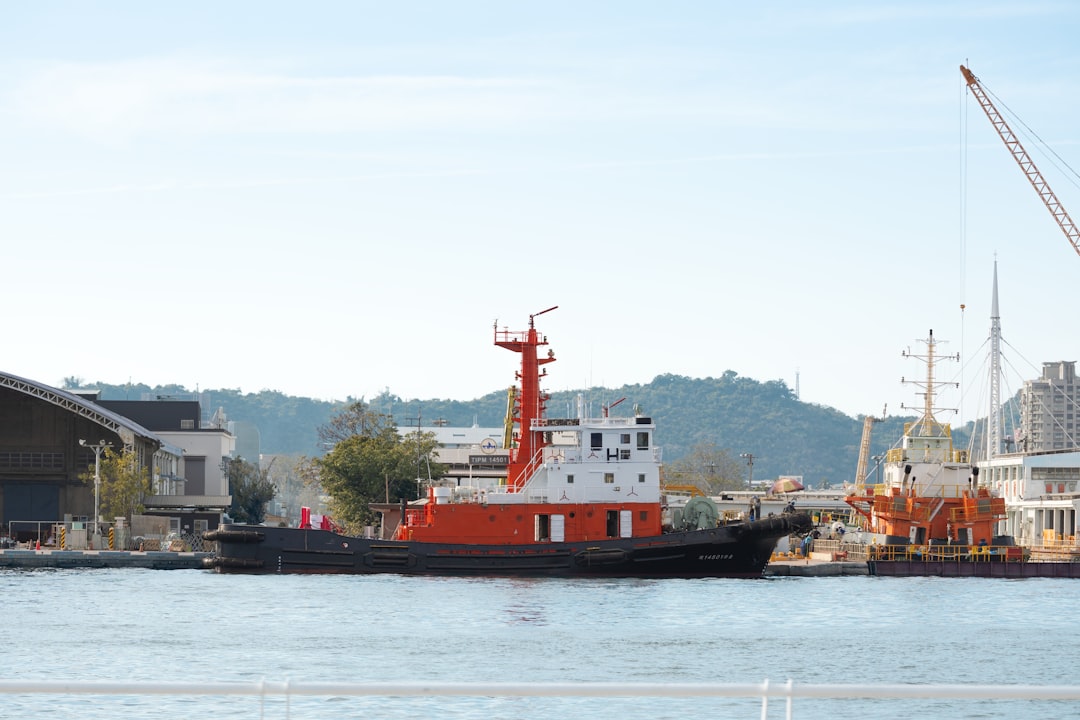
Overview of Eco-Friendly Wooden Toys Shipping Dynamics to/from Mexico
Market Demand and Product Classification
The market for eco-friendly wooden toys (HS Code 9503.00) in Mexico is experiencing steady growth, driven by an increasing consumer preference for sustainable, non-toxic, and durable playthings. As these products fall under the broader HS Code 9503.00 category, importers must ensure precise classification to avoid customs delays and potential penalties. Proper documentation, including a commercial invoice in Spanish and a valid Certificate of Origin, is essential for smooth entry into the Mexican market.
Regulatory Compliance and Import Requirements
Importing into Mexico requires strict adherence to local regulations. All importers must be registered in the Padrón de Importadores (Official Register of Importers) maintained by the Secretariat of Finance and Public Credit (SHCP). Furthermore, wooden products may be subject to specific safety standards (NOM - Normas Oficiales Mexicanas) and must comply with ISPM-15 standards for any wooden pallets used in transport to prevent pest contamination.
In-Depth Analysis of Maersk / ONE & Container Capacity
Carrier Services and Connectivity
Both Maersk and Ocean Network Express (ONE) maintain a robust presence at the Port of Lazaro Cardenas, leveraging its deep-water infrastructure to accommodate ultra-large container vessels (ULCVs). These carriers provide critical connectivity between major Asian manufacturing hubs and the Mexican Pacific coast, offering efficient transit times that often outperform routes through U.S. West Coast ports.
Capacity and Operational Efficiency
As of mid-2026, carriers are employing aggressive capacity management strategies. While global vessel oversupply has been a talking point, major lines are tightening capacity on trans-Pacific lanes to stabilize rates. Shippers utilizing Maersk or ONE services at Lazaro Cardenas benefit from the port's semi-automated terminal (APM Terminals), which features on-dock rail infrastructure, allowing for seamless intermodal transfers to inland destinations.
Ocean Freight Rates & Cost Optimization for HS Code 9503.00
Current Freight Rate Trends
Ocean freight rates have seen significant volatility in the first half of 2026. Following a period of relative stability, spot rates on trans-Pacific routes have surged as carriers tighten capacity. Importers should anticipate fluctuations and factor in various surcharges, including Bunker Adjustment Factors (BAF) and potential Peak Season Surcharges (PSS).
| Cost Component | Estimated Impact (2026) | Strategic Note |
|---|---|---|
| Base Ocean Freight | $2,800 – $4,500+ per FEU | Highly dependent on carrier capacity discipline. |
| Terminal Handling Charges (THC) | $100 – $500 per container | Standard port-specific handling fee. |
| Peak Season Surcharge (PSS) | $200 – $2,000 per container | Apply during high-demand windows (Q3). |
| Customs/Documentation Fees | $50 – $300 per shipment | Essential for compliance; use a licensed broker. |
Cost Optimization Strategies
- Consolidation: For smaller volumes, consider LCL (Less than Container Load) shipping to manage costs.
- Advance Booking: Secure space 3-4 weeks in advance to avoid last-minute spot rate spikes.
- Inland Synergy: Utilize the port's on-dock rail to reduce drayage costs and transit time to inland distribution centers.
Port Container Tracking & Congestion at Port of Lazaro Cardenas
Current Congestion Metrics
The Port of Lazaro Cardenas has demonstrated strong operational resilience in 2026. Recent data indicates a "low" congestion index, with median vessel waiting times hovering around 0.31 days. This makes it a highly attractive alternative to the more congested Port of Manzanillo, especially during periods of labor or security-related disruptions in other regions.
Tracking and Visibility
Shippers are encouraged to utilize the digital tracking tools provided by terminal operators like APM Terminals. Real-time visibility into container status, gate-in times, and vessel schedules is crucial for maintaining a lean supply chain. Setting up automated alerts for your specific container numbers can help proactively manage potential bottlenecks.
Global Logistics Optimization & Supply Chain Strategies
Leveraging Mexico as a Logistics Hub
With the USMCA in place, Mexico is increasingly serving as a strategic launchpad for North American distribution. By importing eco-friendly toys through Lazaro Cardenas, companies can benefit from reduced transit times to the U.S. Midwest via rail, bypassing the traditional bottlenecks of U.S. West Coast ports.
Executive Summary & Future Outlook
Key Takeaways
- Growth: Lazaro Cardenas is seeing significant growth in containerized cargo, supported by major infrastructure investments exceeding $1.7 billion.
- Efficiency: The port remains a highly efficient gateway, with low congestion levels compared to regional peers.
- Strategy: Proactive capacity booking and strict adherence to Mexican customs documentation (Pedimento) are the two most critical factors for success in 2026.
Sources & References
This report is based on data from:
- Shipping Pneumatic Air Cylinders to the Port of Valencia, Spain
- Shipping Semiconductor Microchips (HS 854231) to the Port of Montreal
- Shipping Tomato Paste Cans (HS 200290) to the Port of Gothenburg, Sweden
- Shipping SPC Vinyl Click Flooring to the Port of Antwerp-Bruges
- Shipping True Wireless Earbuds (HS 8517.62) to the Port of Alexandria, Egypt
- Shipping Semiconductor Microchips (HS 854231) to the Port of Sines, Portugal
- Shipping Centrifugal Water Pumps to the Port of San Antonio, Chile
- Shipping Digital Signage Monitors to the Port of Trieste, Italy
- Shipping Printed Circuit Boards (PCB) to Egypt via Port of Said
- Optimizing Logistics for Solid State Drives (SSD) Imports to the Port of Chittagong, Bangladesh