
 358 Visitors
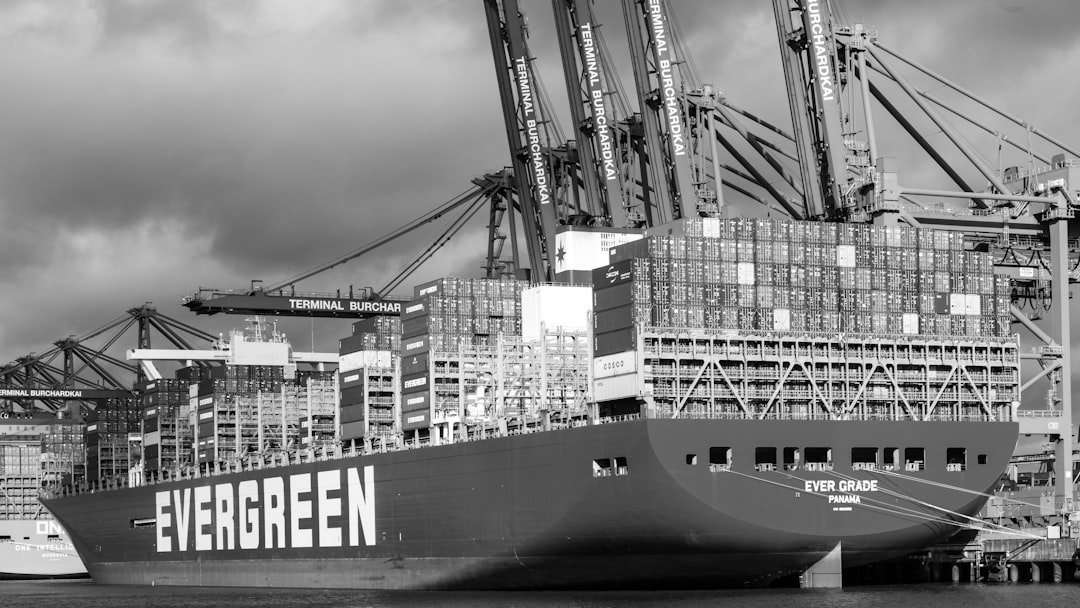
Overview of Pure Ginseng Extract Liquid Shipping Dynamics to Australia
Shipping high-value botanical extracts like Pure Ginseng Extract Liquid (HS Code 1302.19) into Australia requires a sophisticated understanding of both international maritime logistics and stringent local biosecurity regulations. As of June 2026, the trade lane from major Asian manufacturing hubs to the Port of Melbourne is experiencing a period of capacity tightening, necessitating proactive supply chain planning for importers.
Regulatory Compliance and Biosecurity
Australia maintains some of the world's strictest biosecurity measures administered by the Department of Agriculture, Fisheries and Forestry (DAFF). Because ginseng extracts are plant-derived, they are subject to rigorous inspection under the Biosecurity Import Conditions system (BICON). Importers must ensure that their products are correctly classified under HS Code 1302.19 and that all documentation—including certificates of analysis and origin—is prepared to avoid quarantine delays or cargo destruction.
Market Sensitivity for Herbal Extracts
The demand for pure ginseng extract in the Australian market remains steady, driven by the health and wellness sector. However, because these products are often intended for human consumption or therapeutic use, they must also comply with the Australia New Zealand Food Standards Code and, where applicable, Therapeutic Goods Administration (TGA) requirements for unapproved medicines.
In-Depth Analysis of Main Shipping Line & Container Capacity
The Australia-bound trade lane is currently serviced by major carriers including ANL, Maersk, and COSCO. These lines have been actively managing their vessel deployments to balance the recent surge in demand with global network disruptions.
Carrier Performance and Reliability
- ANL (CMA CGM Group): Continues to provide robust regional coverage, leveraging its deep integration into the Australian coastal and international network.
- Maersk: Focuses on end-to-end logistics solutions, offering importers greater visibility into the movement of sensitive cargo like herbal extracts.
- COSCO: Maintains significant capacity on key Asia-Australia routes, though shippers should monitor for potential schedule adjustments due to regional port congestion.
Capacity Management in June 2026
Carriers are currently employing "blank sailings" and network adjustments to manage effective capacity. While global container supply has increased, the specific availability of space on vessels calling at the Port of Melbourne remains tight, particularly as we approach the Q3 peak season.
Ocean Freight Rates & Cost Optimization for HS Code 1302.19
Freight rates in June 2026 are characterized by a "fluctuating normal." While base rates have stabilized compared to previous years, surcharges related to fuel (BAF) and port congestion are significant components of the total landed cost.
| Cost Component | Description | Impact on Ginseng Extract Shipments |
|---|---|---|
| Base Ocean Freight | Primary port-to-port charge | Subject to carrier GRI and seasonal demand |
| Bunker Adjustment Factor (BAF) | Fuel price volatility surcharge | Typically 5%–20% of base rate |
| Port Congestion Surcharge | Fee for terminal delays | Variable; currently a risk factor in Melbourne |
| Customs/Biosecurity Fees | DAFF/Border Force clearance | Essential for HS 1302.19 compliance |
Strategic Cost Reduction
To optimize costs, importers should prioritize long-term contract rates over spot market bookings to hedge against sudden rate spikes. Additionally, consolidating shipments to maximize container utilization can significantly lower the per-unit shipping cost for high-value liquid extracts.
Port Container Tracking & Congestion at Port of Melbourne
The Port of Melbourne is currently managing operational challenges, including labor-related pressures and biosecurity inspection backlogs. As of early June 2026, median vessel delays have been observed, requiring shippers to build a buffer of 1–2 weeks into their supply chain timelines.
Real-Time Visibility
Importers are encouraged to utilize digital container tracking tools to monitor the status of their cargo from the moment of departure. Visibility into "gate-in" and "gate-out" times at the Port of Melbourne is critical for coordinating inland transport and avoiding costly demurrage and detention fees.
Mitigating Congestion Risks
Global Logistics Optimization & Supply Chain Strategies
Success in importing sensitive products like pure ginseng extract requires a shift from reactive to proactive logistics management.
Key Strategic Takeaways
- Early Booking: Secure space at least 3–4 weeks before the desired departure date to avoid peak season capacity crunches.
- Compliance First: Ensure all BICON permits are active and documentation is submitted to customs brokers well before vessel arrival.
- Diversified Routing: If direct services to Melbourne are overbooked, consider transshipment options via major hubs like Singapore, though this may add to transit time.
Executive Summary & Future Outlook
The shipping landscape for 2026 demands high agility. While the movement of pure ginseng extract (HS 1302.19) to Australia is supported by established carriers like ANL, Maersk, and COSCO, the combination of biosecurity rigor and port congestion at Melbourne requires meticulous planning. By focusing on regulatory compliance, securing contract-based freight, and maintaining real-time visibility, importers can navigate these challenges effectively.
Sources & References
- Shipping Pneumatic Air Cylinders to the Port of Valencia, Spain
- Shipping Semiconductor Microchips (HS 854231) to the Port of Montreal
- Shipping Tomato Paste Cans (HS 200290) to the Port of Gothenburg, Sweden
- Shipping SPC Vinyl Click Flooring to the Port of Antwerp-Bruges
- Shipping True Wireless Earbuds (HS 8517.62) to the Port of Alexandria, Egypt
- Shipping Semiconductor Microchips (HS 854231) to the Port of Sines, Portugal
- Shipping Centrifugal Water Pumps to the Port of San Antonio, Chile
- Shipping Digital Signage Monitors to the Port of Trieste, Italy
- Shipping Printed Circuit Boards (PCB) to Egypt via Port of Said
- Optimizing Logistics for Solid State Drives (SSD) Imports to the Port of Chittagong, Bangladesh