
 411 Visitors
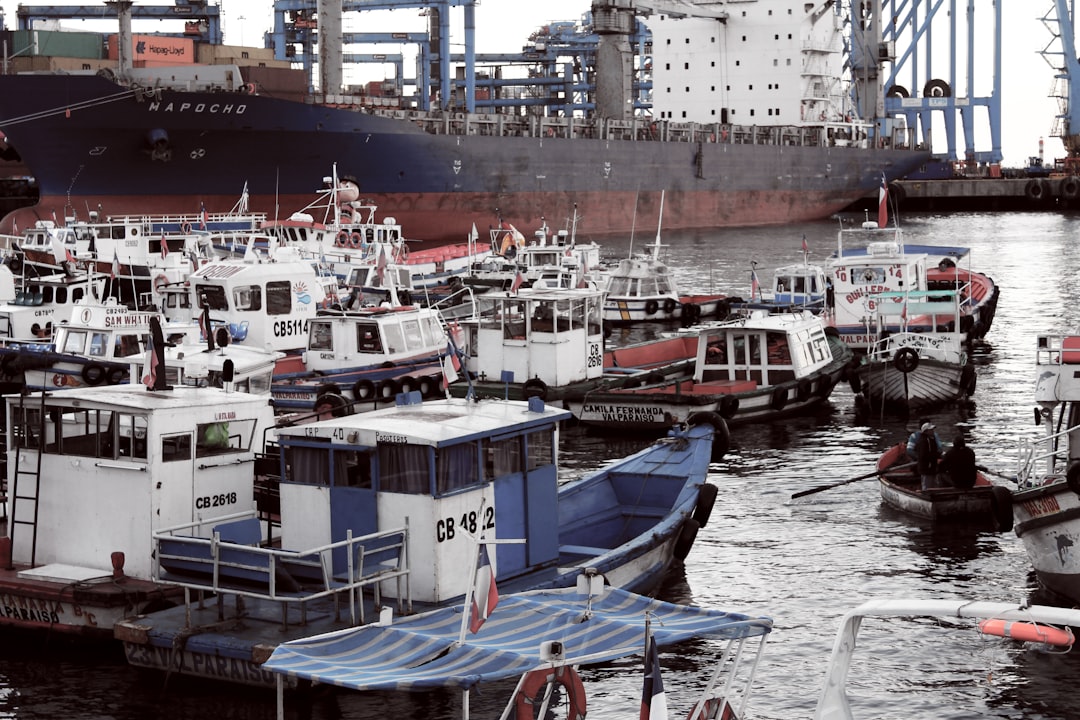
Overview of Spark Plug Wire Sets Shipping Dynamics to/from Saudi Arabia
Shipping automotive components, specifically spark plug wire sets (HS Code 851110), to Saudi Arabia requires a precise understanding of both technical classification and the current regional maritime landscape. As the Kingdom continues to industrialize under Vision 2030, the demand for high-quality automotive aftermarket parts remains robust. However, logistics managers must navigate a complex regulatory environment and a volatile Red Sea shipping corridor.
Regulatory Compliance and HS Code Classification
Spark plug wire sets fall under the broader category of electrical ignition equipment. Accurate classification under the HS Code 851110 is mandatory for ZATCA (Zakat, Tax, and Customs Authority) clearance. Importers must ensure that all products are registered via the SABER platform and possess the necessary Product Certificate of Conformity (PCoC) and Shipment Certificate of Conformity (SCoC) to avoid severe delays or cargo seizure.
Documentation Requirements
To ensure seamless entry into Jeddah Islamic Port, shippers must provide a comprehensive commercial invoice, a detailed packing list, and a certificate of origin legalized by the local Chamber of Commerce. Given the nature of automotive parts, ensuring that all items are clearly labeled in Arabic—as per SASO standards—is a critical success factor.
In-Depth Analysis of CMA CGM / COSCO & Container Capacity
CMA CGM and COSCO, as key members of the Ocean Alliance, maintain significant influence over trade lanes connecting global manufacturing hubs to the Red Sea. Their service offerings to Jeddah Islamic Port have been adapted to address the ongoing regional maritime security challenges.
Carrier Network Adjustments
Both carriers have actively adjusted their routing strategies to prioritize safety and schedule reliability. While direct services remain, shippers should note that vessel schedules are subject to frequent updates. Utilizing the carriers' digital platforms (e.g., CMA CGM's "SpotOn" or COSCO's voyage finder) is essential for real-time visibility into vessel arrivals and potential cut-off date shifts.
Capacity and Equipment Availability
Despite the regional volatility, these carriers continue to provide essential capacity for containerized cargo. However, the surge in demand for Red Sea-accessible ports has placed pressure on equipment availability. It is highly recommended to secure bookings well in advance and maintain close communication with your freight forwarder regarding empty container repositioning.
Ocean Freight Rates & Cost Optimization for HS Code 851110
Freight rates for shipments to Jeddah are currently influenced by war risk surcharges, fuel price fluctuations, and the high demand for Red Sea gateway capacity. Below is an overview of the current cost environment.
| Route Segment | Container Type | Estimated Rate Trend | Key Cost Drivers |
|---|---|---|---|
| Asia/US to Jeddah | 20ft / 40ft FCL | High / Volatile | War Risk Surcharges, Fuel, Port Congestion |
| LCL Consolidation | Per CBM | Variable | Handling Fees, Documentation, Local Charges |
Cost Optimization Strategies
- Consolidation: For smaller shipments of spark plug wire sets, LCL (Less-than-Container Load) services can significantly reduce costs compared to FCL (Full Container Load).
- Advance Booking: Secure space at least 3–4 weeks in advance to avoid last-minute spot rate premiums.
- Incoterms Optimization: Review your Incoterms (e.g., CIF vs. DAP) to ensure you are not overpaying for local port charges that could be managed more efficiently by a local customs broker.
Port Container Tracking & Congestion at Jeddah Islamic Port
Jeddah Islamic Port has become the primary maritime gateway for the region, which has unfortunately led to significant operational pressure. As of June 2026, the port is experiencing elevated dwell times due to the redirection of cargo previously destined for other Gulf ports.
Current Congestion Status
Shippers should anticipate potential delays in container discharge and gate-out processes. While the port remains functional, the surge in volume has resulted in extended dwell times. Real-time tracking via the Saudi Ports Authority (Mawani) or third-party logistics platforms is vital for managing customer expectations.
Mitigating Port Delays
Global Logistics Optimization & Supply Chain Strategies
Building a resilient supply chain in the current Middle East climate requires a move away from "just-in-time" models toward "just-in-case" logistics.
Multimodal Resilience
For urgent shipments, consider integrating air freight for high-value components or utilizing land-bridge solutions where available. Diversifying your logistics partners and maintaining a mix of carriers (including those outside the primary alliance) can provide a safety net during sudden service suspensions.
Digital Visibility
Invest in end-to-end supply chain visibility tools. Knowing exactly where your container is—whether at sea, at anchorage, or in the terminal yard—allows for proactive decision-making, such as rerouting or expediting customs clearance documentation.
Executive Summary & Future Outlook
Shipping spark plug wire sets to Jeddah Islamic Port in 2026 demands a high level of vigilance. While the port remains a critical and stable gateway, the surrounding regional dynamics require shippers to be agile, well-documented, and prepared for potential delays.
Key Takeaways
- Compliance First: Ensure full SABER and ZATCA compliance before the cargo leaves the origin port.
- Monitor Closely: Stay updated on carrier advisories regarding the Red Sea and Strait of Hormuz.
- Plan for Dwell Times: Build a buffer of 10–15 days into your supply chain lead times to account for potential port congestion.
Sources & References
Saudi Ports Authority (Mawani) | CMA CGM Official Advisories | COSCO Shipping Lines | ZATCA Customs Regulations
- Shipping Pneumatic Air Cylinders to the Port of Valencia, Spain
- Shipping Semiconductor Microchips (HS 854231) to the Port of Montreal
- Shipping Tomato Paste Cans (HS 200290) to the Port of Gothenburg, Sweden
- Shipping SPC Vinyl Click Flooring to the Port of Antwerp-Bruges
- Shipping True Wireless Earbuds (HS 8517.62) to the Port of Alexandria, Egypt
- Shipping Semiconductor Microchips (HS 854231) to the Port of Sines, Portugal
- Shipping Centrifugal Water Pumps to the Port of San Antonio, Chile
- Shipping Digital Signage Monitors to the Port of Trieste, Italy
- Shipping Printed Circuit Boards (PCB) to Egypt via Port of Said
- Optimizing Logistics for Solid State Drives (SSD) Imports to the Port of Chittagong, Bangladesh