
 0 Visitors
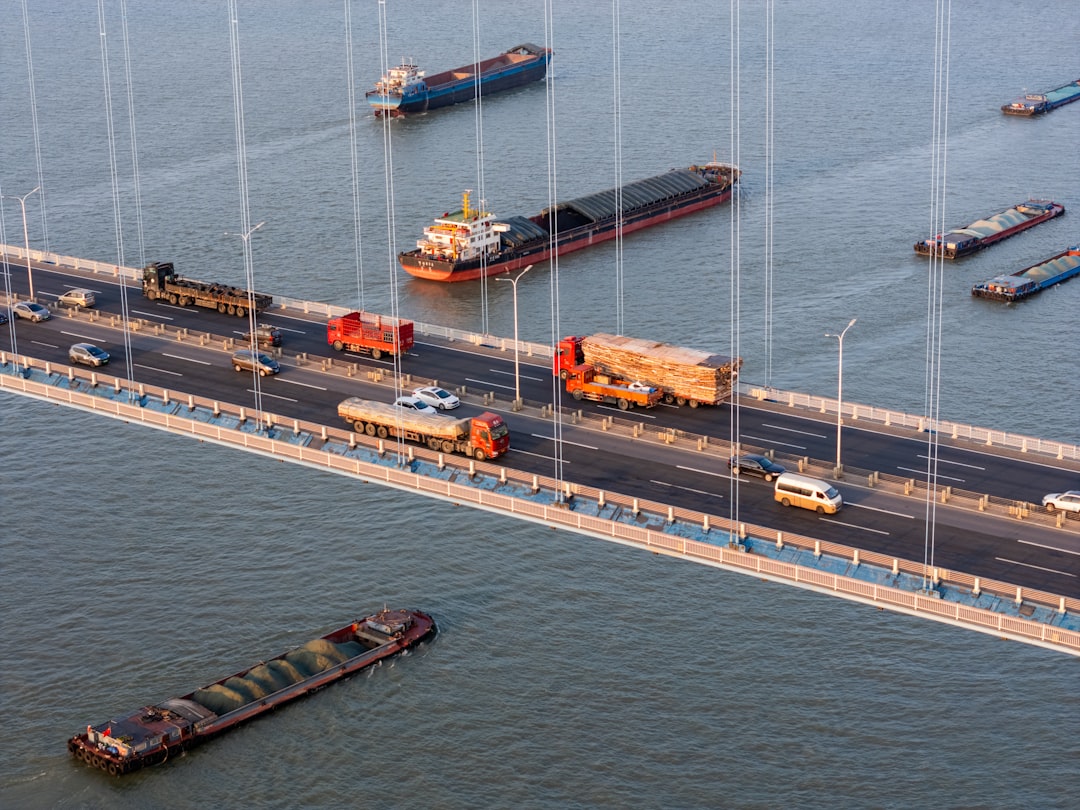
Overview of Spunbond Nonwoven Fabric Shipping Dynamics to Singapore
Spunbond nonwoven fabric, classified under HS Code 560312 (man-made filaments, weighing 25–70 g/m²), is a critical commodity for industries ranging from medical and hygiene to construction and automotive. As Singapore serves as a premier global transshipment hub, importing this material requires a nuanced understanding of both the product's technical specifications and the current maritime landscape.
Market Demand and Regulatory Compliance
Singapore remains a high-demand market for nonwoven fabrics, driven by its robust manufacturing and medical sectors. Importers must ensure that their shipments comply with local standards, particularly if the fabric is destined for medical or hygiene applications. Proper documentation, including GSM (grams per square meter) verification and material composition reports, is essential to prevent customs delays.
The Role of HS Code 560312 in Trade
Accurate classification under HS 560312 is vital for duty assessment and regulatory compliance. Shippers should be aware that customs authorities scrutinize the weight-to-GSM ratio to ensure the product is not misclassified, which could lead to penalties or storage accruals at the port.
In-Depth Analysis of Hub Port Connectivity & Container Capacity
The Port of Singapore acts as the central nervous system for global trade, connecting over 600 ports worldwide. As a hub for all major shipping lines, it provides unparalleled connectivity but is currently experiencing significant operational pressure due to global geopolitical shifts.
Transshipment Efficiency at Singapore
With over 80% of containers handled in Singapore being transshipments, the port is designed for speed. However, recent rerouting of vessels due to regional geopolitical tensions has increased the volume of cargo requiring relay, testing the limits of terminal throughput.
Carrier Capacity Management
Major carriers are actively managing capacity through blank sailings and vessel redeployments. For shippers of nonwoven fabrics, this means that securing space requires booking at least 2–3 weeks in advance, especially during the current early peak season.
Ocean Freight Rates & Cost Optimization for HS Code 560312
Ocean freight rates have seen significant volatility in mid-2026, driven by fuel surcharges and capacity constraints. Below is a summary of the current market environment for containerized freight.
| Metric | Current Trend (June 2026) | Strategic Impact |
|---|---|---|
| Spot Rate Volatility | High (Upward Pressure) | Increased budget uncertainty |
| Peak Season Surcharges | Active/Increasing | Higher landed cost per unit |
| Transit Reliability | Moderate to Low | Requires 14–21 day buffer |
Cost Optimization Strategies
- Consolidation: Utilize LCL (Less than Container Load) if volume does not justify a full FEU, but be mindful of handling costs.
- Contract Negotiation: Shift from pure spot-market reliance to index-linked contracts to gain better visibility into long-term costs.
Port Container Tracking & Congestion at the Port of Singapore
As of June 2026, the Port of Singapore is managing increased vessel backlogs. While the port remains one of the most efficient globally, logistics managers must account for current wait times.
Current Congestion Status
Average vessel waiting times have fluctuated, with some reports indicating delays of 1–2 days for berthing. While this is significantly better than many global peers, the "cascade effect" from other congested ports means that arrival times remain unpredictable.
Real-Time Tracking Recommendations
Shippers are advised to utilize digital platforms that provide AIS-based real-time vessel tracking. Relying solely on carrier updates may not provide the granular visibility needed to manage downstream supply chain disruptions.
Global Logistics Optimization & Supply Chain Strategies
To maintain resilience in the current environment, supply chain managers must move beyond traditional shipping models.
Diversification of Routing
Given the reliance on Singapore as a transshipment hub, consider alternative routing if your cargo is time-sensitive. Diversifying your carrier mix can also mitigate the risk of "rolling" cargo during periods of high capacity demand.
Buffer Management
Executive Summary & Future Outlook
The shipping landscape for 2026 is defined by an early peak season and geopolitical volatility. While the Port of Singapore continues to demonstrate world-class efficiency, the ripple effects of global disruptions are undeniable.
Key Takeaways for Stakeholders
- Plan Early: Secure space 2–3 weeks in advance to avoid rollovers.
- Monitor Costs: Expect continued pressure from fuel and emergency surcharges.
- Stay Informed: Leverage real-time data to navigate port congestion.
Sources & References
Maritime and Port Authority of Singapore (MPA) | Drewry World Container Index | Kuehne+Nagel Port Updates | Xeneta Freight Market Data
- Shipping Pneumatic Air Cylinders to the Port of Valencia, Spain
- Shipping Semiconductor Microchips (HS 854231) to the Port of Montreal
- Shipping Tomato Paste Cans (HS 200290) to the Port of Gothenburg, Sweden
- Shipping SPC Vinyl Click Flooring to the Port of Antwerp-Bruges
- Shipping True Wireless Earbuds (HS 8517.62) to the Port of Alexandria, Egypt
- Shipping Semiconductor Microchips (HS 854231) to the Port of Sines, Portugal
- Shipping Centrifugal Water Pumps to the Port of San Antonio, Chile
- Shipping Digital Signage Monitors to the Port of Trieste, Italy
- Shipping Printed Circuit Boards (PCB) to Egypt via Port of Said
- Optimizing Logistics for Solid State Drives (SSD) Imports to the Port of Chittagong, Bangladesh