
 491 Visitors
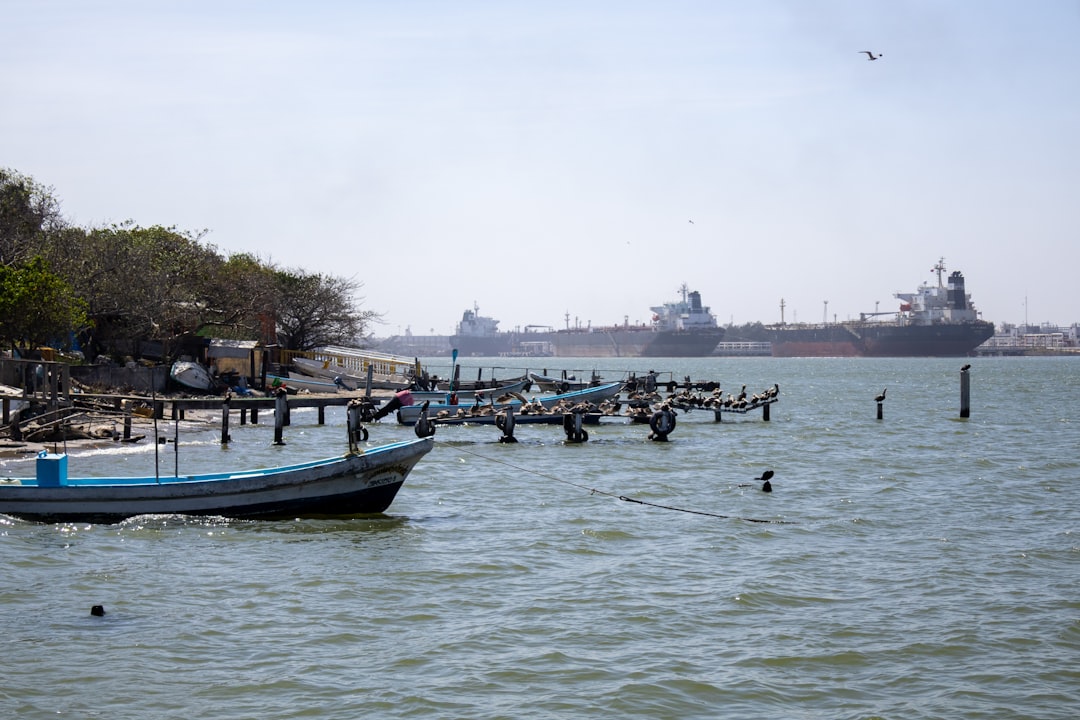
Overview of Wheat Gluten Pellets Shipping Dynamics to/from Russia
The trade of agricultural commodities, specifically wheat gluten pellets (HS Code 110900), remains a critical component of Russia's food security and export-import landscape. As of mid-2026, the logistics environment for shipping into the Port of St. Petersburg is defined by a complex interplay of geopolitical sanctions, shifting trade alliances, and a reliance on non-traditional shipping partners. While global food trade is generally exempted from many restrictive measures, the operational reality for shippers involves rigorous compliance screening, insurance complexities, and the necessity for specialized, resilient supply chain planning.
Market Context for HS Code 110900
Wheat gluten is classified under HS Code 110900. In the Russian Federation, this code is managed under the TN VED classification system. Importers and exporters must ensure that their documentation is precise, as customs authorities are increasingly vigilant regarding the origin and dual-use potential of goods. Given the current geopolitical climate, ensuring that cargo is clearly identified as food-grade is essential to avoid unnecessary delays or scrutiny at the border.
Logistics Challenges in the Baltic Region
The Port of St. Petersburg, which historically handled a significant portion of Russia's Baltic container turnover, has undergone a structural transformation. Since the withdrawal of major global carriers in 2022, the port has pivoted toward regional feeders and alternative shipping lines. Shippers must navigate a market where the cost of logistics expertise has risen significantly, and the reliance on "parallel import" supply chain architects is common to ensure cargo movement remains uninterrupted.
In-Depth Analysis of Main Shipping Line & Container Capacity
The shipping landscape in St. Petersburg is no longer dominated by the major global alliances that defined the pre-2022 era. Instead, the market has fragmented into a network of local feeders and specialized carriers that maintain connectivity despite the sanctions environment.
The Role of MSC and Local Feeders
While major lines like MSC initially suspended bookings to Russia in 2022, they have continued to facilitate the transport of essential goods, including food and humanitarian supplies, while strictly adhering to international sanctions. Today, the "Local Feeder" model is the backbone of the St. Petersburg trade. These operators often utilize smaller, more agile vessels to connect Russian ports with major transshipment hubs in Turkey, the Middle East, or Asia, effectively bypassing the direct-call limitations imposed by Western carriers.
Capacity and Vessel Availability
Current data indicates that while container throughput in St. Petersburg has stabilized at approximately 65-70% of pre-2022 levels, capacity remains tight for specialized equipment. Shippers of wheat gluten pellets—which often require food-grade, moisture-controlled containers—should anticipate potential equipment shortages and plan their bookings well in advance. The reliance on older, secondary-market tonnage by some regional carriers also necessitates a higher degree of due diligence regarding vessel reliability and insurance coverage.
Ocean Freight Rates & Cost Optimization for HS Code 110900
Freight rates for routes to Russia remain elevated compared to global averages due to the "risk premium" associated with navigating the current sanctions maze. While global spot rates have softened in 2026 due to vessel overcapacity, the Russia-bound trade lane remains an outlier.
| Route Segment | Rate Trend (2026) | Key Cost Driver |
|---|---|---|
| Asia to St. Petersburg (via Transshipment) | High/Volatile | Sanctions compliance & insurance |
| Middle East to St. Petersburg | Moderate | Feeder vessel availability |
| Intra-Baltic Feeder | Stable | Fuel surcharges (BAF) |
Cost Optimization Strategies
- Leverage Index-Linked Contracts: Given the volatility, consider a mix of spot and contract rates to hedge against sudden price spikes.
- Consolidated Documentation: Ensure all HS 110900 documentation is pre-cleared to avoid demurrage and detention charges, which are often higher in the current Russian port environment.
- Strategic Partner Selection: Work with freight forwarders who specialize in "sanctions-compliant" logistics to ensure your cargo does not face unexpected holds.
Port Container Tracking & Congestion at Port of St. Petersburg
Congestion at the Port of St. Petersburg is less about physical vessel queues and more about administrative and customs bottlenecks. The "talent crisis" in the logistics sector—where experienced personnel capable of managing complex, sanctioned-environment supply chains are in short supply—often leads to slower processing times.
Monitoring and Visibility
Real-time tracking is essential. Shippers are advised to utilize digital platforms that provide visibility beyond the standard vessel AIS data. Because of the reliance on transshipment hubs, your cargo may change vessels multiple times; ensure your Bill of Lading (BOL) is updated at every transfer point to maintain chain-of-custody visibility.
Global Logistics Optimization & Supply Chain Strategies
To remain competitive when shipping to Russia, companies must move beyond traditional "just-in-time" models toward "resilience-first" strategies. This involves diversifying your routing options and maintaining a buffer in your inventory levels.
Diversification of Transport Corridors
While St. Petersburg remains a primary gateway for the European part of Russia, the development of the North-South International Transport Corridor (connecting to the Caspian Sea) offers an alternative for goods originating from Asia and the Middle East. Evaluating these multimodal routes can provide a hedge against potential disruptions in the Baltic Sea.
Digitalization and Compliance
The implementation of digital customs procedures and automated terminal systems is a strategic priority for Russia by 2030. Shippers who adopt digital documentation (eBL) and integrate their systems with local customs brokers will find themselves at a significant advantage in terms of speed and reliability.
Executive Summary & Future Outlook
The shipping of wheat gluten pellets to St. Petersburg in 2026 requires a sophisticated approach that balances cost, compliance, and operational resilience. While the market is no longer in the "crisis mode" of 2022, it remains structurally altered. Success depends on selecting the right partners who understand the nuances of the current trade environment and maintaining a flexible supply chain that can adapt to rapid geopolitical shifts.
Key Takeaways
- Compliance is King: Ensure all food-grade cargo is clearly documented to avoid sanctions-related delays.
- Plan for Volatility: Expect higher-than-average freight costs and potential equipment shortages for specialized containers.
- Monitor the Hubs: Visibility at transshipment points is as important as tracking the final arrival at St. Petersburg.
Sources & References:
- Shipping Pneumatic Air Cylinders to the Port of Valencia, Spain
- Shipping Semiconductor Microchips (HS 854231) to the Port of Montreal
- Shipping Tomato Paste Cans (HS 200290) to the Port of Gothenburg, Sweden
- Shipping SPC Vinyl Click Flooring to the Port of Antwerp-Bruges
- Shipping True Wireless Earbuds (HS 8517.62) to the Port of Alexandria, Egypt
- Shipping Semiconductor Microchips (HS 854231) to the Port of Sines, Portugal
- Shipping Centrifugal Water Pumps to the Port of San Antonio, Chile
- Shipping Digital Signage Monitors to the Port of Trieste, Italy
- Shipping Printed Circuit Boards (PCB) to Egypt via Port of Said
- Optimizing Logistics for Solid State Drives (SSD) Imports to the Port of Chittagong, Bangladesh