
 526 Visitors
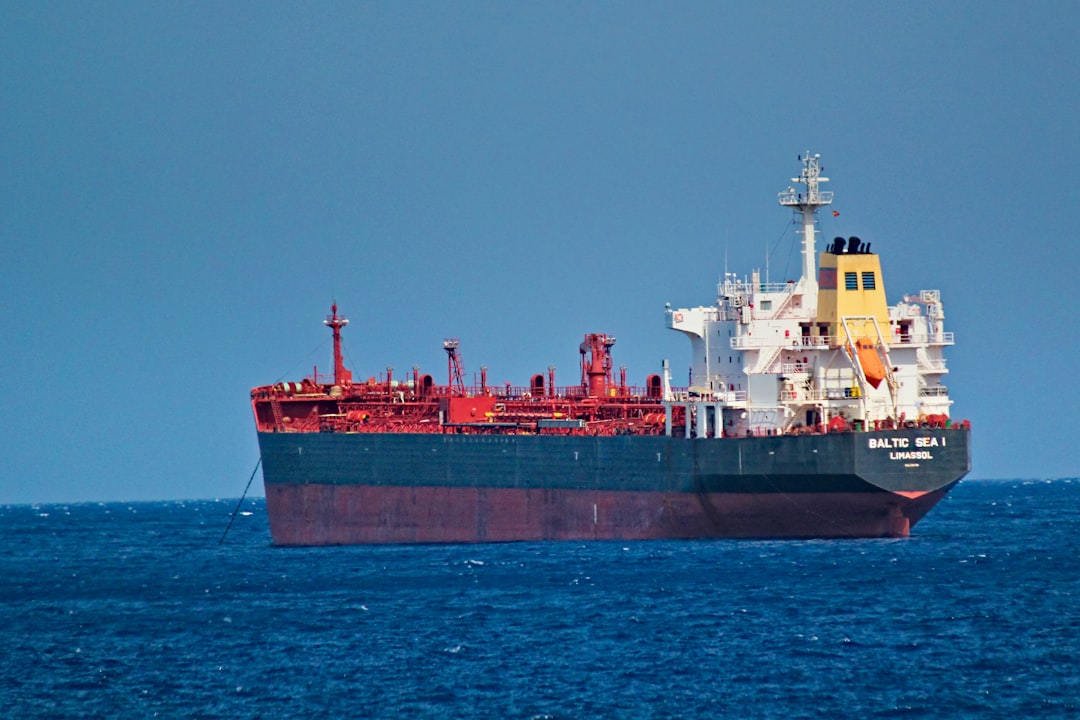
Overview of Flexible PCB (FPC) Shipping Dynamics to/from Pakistan
Flexible Printed Circuits (FPC), classified under HS Code 8534.00, are critical components in modern electronics manufacturing. Shipping these high-value, sensitive components to Pakistan requires a nuanced understanding of both the regulatory environment and the current maritime landscape. As of June 2026, Pakistan’s logistics sector is experiencing a significant transformation, driven by regional geopolitical shifts that have redirected substantial transshipment volumes toward the Port of Karachi.
Market Sensitivity and Handling
FPCs are delicate and sensitive to environmental conditions. When shipping to Pakistan, it is imperative to ensure moisture-barrier packaging and shock-absorbent crating. Given the potential for customs delays, choosing a carrier with robust local infrastructure is essential to prevent cargo exposure to extreme heat or humidity at the port.
Regulatory Landscape for HS Code 8534.00
Importers must be aware that Pakistan Customs maintains strict valuation protocols. Under HS Code 8534.00, accurate declaration of the product’s technical specifications is vital. Discrepancies in valuation can lead to re-appraisement, causing significant clearance delays. Always ensure that your commercial invoice clearly distinguishes between FPCs and rigid PCBs to avoid classification disputes.
In-Depth Analysis of COSCO / Maersk / OOCL & Container Capacity
The major shipping lines—COSCO, Maersk, and OOCL—remain the primary conduits for electronics imports into Pakistan. These carriers have adapted their service loops to accommodate the recent surge in regional cargo.
Carrier Service Reliability
- OOCL/COSCO: These carriers operate the China-Pakistan India Express (CPX) and Pakistan and Mundra Express (PMX) services, providing direct connectivity from major Asian hubs like Shanghai and Ningbo to Karachi.
- Maersk: Offers comprehensive end-to-end inland container management solutions, which are particularly beneficial for moving sensitive electronics from the port to inland manufacturing hubs in Lahore or Faisalabad.
Capacity Management
While global fleet capacity remains constrained by ongoing Suez Canal detours, these carriers have prioritized the Pakistan trade lane to capture the increased transshipment demand. However, space on vessels calling at Karachi can tighten during peak electronics production cycles; booking at least 3–4 weeks in advance is recommended.
Ocean Freight Rates & Cost Optimization for HS Code 8534.00
Freight rates for the Asia-to-Pakistan route are currently influenced by regional instability and elevated bunker surcharges. While exact rates fluctuate daily based on space availability, the following table provides a strategic overview of cost factors.
| Cost Component | Impact on FPC Shipments | Optimization Strategy |
|---|---|---|
| Ocean Freight (Base) | High volatility due to regional rerouting | Secure long-term contracts (COA) |
| Peak Season Surcharge (PSS) | Rising as of July 2026 | Book early to lock in pre-surcharge rates |
| Demurrage & Detention | High risk during port congestion | Utilize Maersk/OOCL inland depots for faster evacuation |
Cost Reduction Tactics
To optimize costs for high-value FPC shipments, leverage "Free Time" agreements. Negotiating extended detention and demurrage periods is often more valuable than chasing marginal discounts on base freight, especially given the current unpredictability of port clearance times in Karachi.
Port Container Tracking & Congestion at Port of Karachi
The Port of Karachi has recently handled record-breaking container volumes, leading to operational pressure. As of late June 2026, vessel waiting times remain a critical metric for supply chain managers.
Current Congestion Status
While the port has successfully managed a surge in transshipment cargo, terminal yard utilization remains high. Infrastructure projects, such as the $60 million dredging project by Karachi Gateway Terminal Ltd (KGTL), are underway to improve throughput, but temporary backlogs still occur during peak vessel arrival windows.
Tracking Your Shipment
Utilize the digital tracking portals provided by COSCO, Maersk, and OOCL. These platforms offer real-time visibility into vessel arrival, discharge, and gate-out status. For FPC shipments, set up automated alerts for "Vessel Arrival" and "Customs Clearance" to proactively manage inland transport scheduling.
Global Logistics Optimization & Supply Chain Strategies
Building Resilience
- Diversify Carriers: Do not rely on a single shipping line. Split your volume between COSCO, Maersk, and OOCL to mitigate the impact of blank sailings or service disruptions.
- Local Partnerships: Engage a reputable local customs broker in Karachi who specializes in electronics. Their expertise in navigating the Federal Board of Revenue (FBR) procedures is the best defense against clearance delays.
Executive Summary & Future Outlook
The logistics corridor to Pakistan is currently in a state of high activity. While the Port of Karachi is under pressure, the influx of investment into terminal infrastructure signals a long-term commitment to regional maritime dominance. For companies shipping Flexible PCBs, success depends on proactive booking, meticulous documentation to satisfy customs, and the use of advanced tracking tools to navigate potential congestion.
Sources & References
Dawn Business: Karachi Port Container Handling Records (June 2026)
OOCL Service Schedules & Pakistan Trade Lane Updates
Maersk Pakistan Local Information & Free Time Policies
Reuters: Karachi Gateway Terminal Investment News (June 2026)
- Shipping Pneumatic Air Cylinders to the Port of Valencia, Spain
- Shipping Semiconductor Microchips (HS 854231) to the Port of Montreal
- Shipping Tomato Paste Cans (HS 200290) to the Port of Gothenburg, Sweden
- Shipping SPC Vinyl Click Flooring to the Port of Antwerp-Bruges
- Shipping True Wireless Earbuds (HS 8517.62) to the Port of Alexandria, Egypt
- Shipping Semiconductor Microchips (HS 854231) to the Port of Sines, Portugal
- Shipping Centrifugal Water Pumps to the Port of San Antonio, Chile
- Shipping Digital Signage Monitors to the Port of Trieste, Italy
- Shipping Printed Circuit Boards (PCB) to Egypt via Port of Said
- Optimizing Logistics for Solid State Drives (SSD) Imports to the Port of Chittagong, Bangladesh