
 444 Visitors
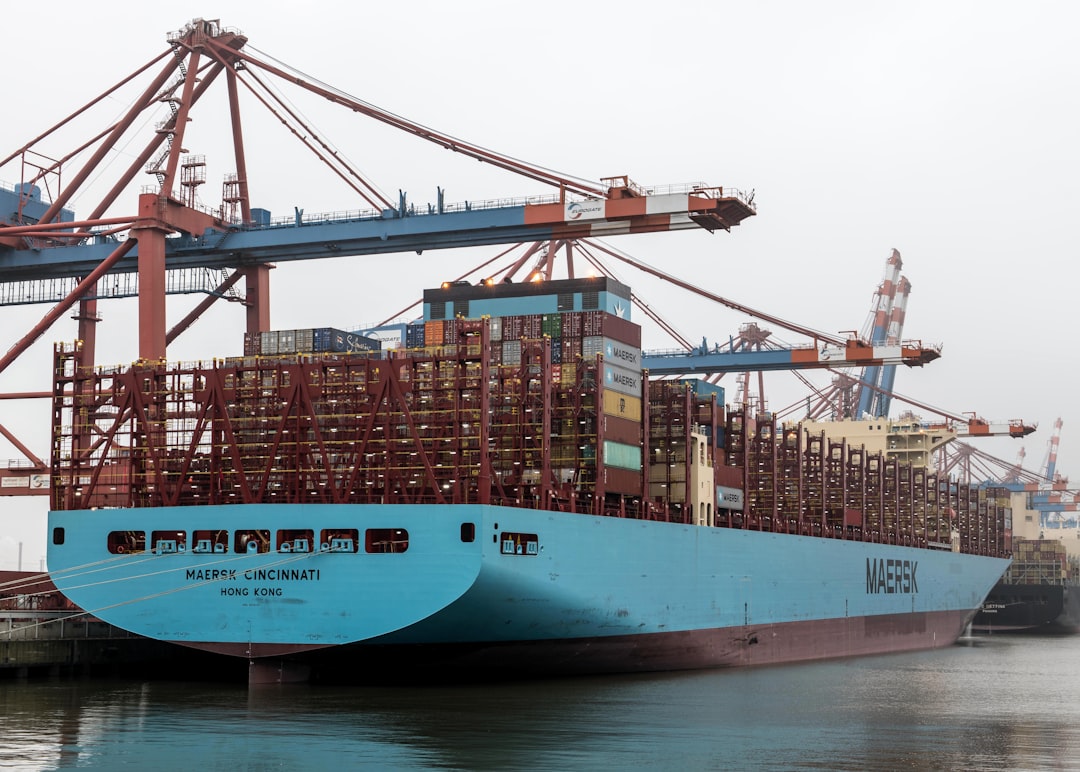
Overview of Solar Water Heater Shipping Dynamics to/from Algeria
The Algerian market for renewable energy technology is undergoing a significant transformation. As the nation pushes toward its 2035 renewable energy targets, the import of solar thermal systems—specifically solar water heaters—has become a focal point for industrial and residential development. These products typically fall under the HS Code category 8419, with HS Code 8419.19 often used for non-electric, storage-type water heaters.
Market Regulatory Environment
Recent legislative updates, including the 2026 draft finance law, have signaled a more favorable environment for solar technology imports. Notably, solar water heaters for domestic use have seen a reduction in customs duties to 15%, down from the previous 30%, reflecting the government's commitment to equipping over 100,000 households with solar thermal solutions.
Classification Best Practices
While HS 8419.19 is a common classification, shippers must remain vigilant. International trade bodies have increasingly recommended the use of more specific codes (such as HS 8419.12) to avoid misclassification as generic electric water heaters, which may carry different tariff profiles or trade restrictions.
In-Depth Analysis of CMA CGM / Tarros & Container Capacity
CMA CGM maintains a dominant presence in the Algerian market, operating through its subsidiary, CMA CGM Algérie. The carrier provides extensive port coverage, connecting Algeria to major global hubs via nine direct services.
Carrier Cooperation and Service Routes
The collaboration between CMA CGM and Tarros has been a cornerstone of Mediterranean logistics. Their joint services, such as the Mediterranean Pendulum Service (MPS), facilitate consistent connectivity between European gateways (like Marseille, Barcelona, and Genoa) and North African ports, including Algiers. These services are critical for maintaining the frequency required for industrial supply chains.
Capacity and Equipment Availability
Capacity management remains a priority for carriers in the Mediterranean. With the ongoing "Big Bang" effect of vessel repositioning following the normalization of Suez Canal transits, shippers should expect carriers to prioritize high-yield routes. While CMA CGM offers robust local support through its offices in Algiers, Skikda, and Oran, booking lead times should be extended to account for potential equipment repositioning delays.
Ocean Freight Rates & Cost Optimization for HS Code 8419.19
Ocean freight rates for Mediterranean and North African trade lanes have experienced volatility throughout 2026. Carriers have implemented various surcharges to manage rising operational costs, including EU Emissions Trading System (ETS) compliance and seasonal demand spikes.
| Cost Component | Status/Trend | Impact on Solar Water Heaters |
|---|---|---|
| Base Ocean Freight | Fluctuating (High Demand) | Significant impact on landed cost. |
| Peak Season Surcharge (PSS) | Active (July 2026) | Adds USD 1,400+ per 20' container. |
| Customs Duty (Algeria) | Reduced (15%) | Improved margins for solar imports. |
Cost Optimization Strategies
- Leverage Local Logistics: Utilize CMA CGM’s local platforms (SOGEREC) in Algiers to manage inland distribution and reduce dwell time.
- Incoterm Selection: For high-value solar equipment, consider DDP (Delivered Duty Paid) to gain better control over the customs clearance process, provided you have a reliable local clearing agent.
Port Container Tracking & Congestion at Port of Algiers
The Port of Algiers is currently experiencing moderate to high congestion, with average vessel waiting times fluctuating between 6 and 8 days depending on the week. Operational efficiency is being addressed through government-led reforms aimed at 24/7 port operations.
Monitoring Real-Time Delays
Mitigating Dwell Time
To avoid excessive demurrage and detention (D&D) charges, ensure that all documentation—including the NIF (Tax Identification Number) and mandatory 6-digit HS codes—is submitted well in advance of vessel arrival.
Global Logistics Optimization & Supply Chain Strategies
Optimizing the supply chain for solar water heaters requires a balance between transit speed and cost-efficiency. Given the current volatility in the Mediterranean, a "just-in-case" inventory strategy is often safer than a "just-in-time" approach.
Strategic Recommendations
- Buffer Stocking: Maintain a 2–3 week buffer of critical solar components in local warehouses to mitigate the impact of unexpected port closures or vessel delays.
- Digital Integration: Use the CMA CGM "My Customer Service" and tracking dashboards to receive automated alerts regarding vessel schedule changes.
- Partner with Local Experts: Engage with local Algerian customs brokers who specialize in renewable energy equipment to navigate the specific documentation requirements for HS 8419.19.
Executive Summary & Future Outlook
The outlook for shipping solar water heaters to Algeria is cautiously optimistic. While port congestion and freight rate volatility remain challenges, the government's proactive stance on reducing import duties for renewable energy components provides a strong incentive for growth. By partnering with established carriers like CMA CGM and maintaining rigorous documentation standards, companies can successfully navigate the complexities of the Algerian logistics landscape.
Sources & References
CMA CGM Official News & Schedules | PV Magazine (Algeria Renewable Policy Updates) | Kuehne+Nagel Port Operational Updates | Linerlytica (Market Intelligence)
- Shipping Pneumatic Air Cylinders to the Port of Valencia, Spain
- Shipping Semiconductor Microchips (HS 854231) to the Port of Montreal
- Shipping Tomato Paste Cans (HS 200290) to the Port of Gothenburg, Sweden
- Shipping SPC Vinyl Click Flooring to the Port of Antwerp-Bruges
- Shipping True Wireless Earbuds (HS 8517.62) to the Port of Alexandria, Egypt
- Shipping Semiconductor Microchips (HS 854231) to the Port of Sines, Portugal
- Shipping Centrifugal Water Pumps to the Port of San Antonio, Chile
- Shipping Digital Signage Monitors to the Port of Trieste, Italy
- Shipping Printed Circuit Boards (PCB) to Egypt via Port of Said
- Optimizing Logistics for Solid State Drives (SSD) Imports to the Port of Chittagong, Bangladesh